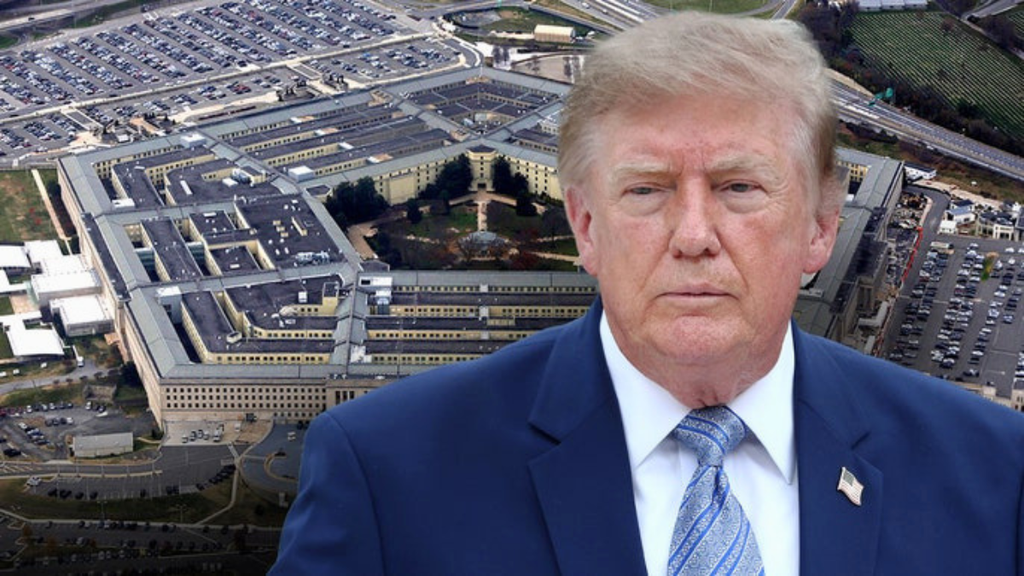
Trump blocks the Pentagon’s controversial plan to livestream Nidal Hasan’s execution, keeping the December 3 firing squad sentence in place amid public backlash.
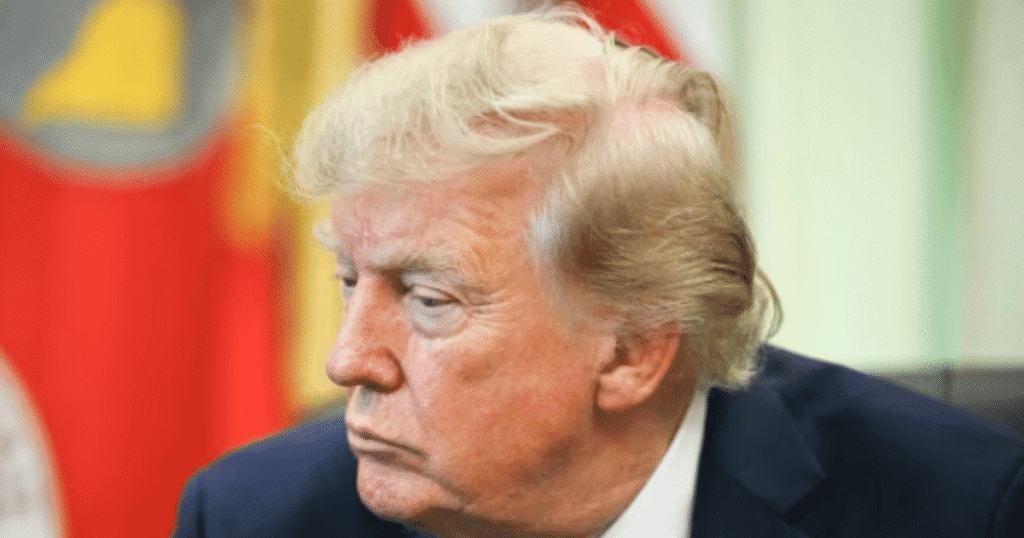
President Donald Trump has overruled the Pentagon’s plan to livestream convicted mass killer Nidal Hasan’s execution, ending a controversial proposal that sparked widespread criticism. The president confirmed that Hasan’s scheduled December 3 execution would proceed by firing squad, but authorities would not broadcast it live. The decision marks a significant shift in the administration’s approach to military justice, public executions and the debate surrounding capital punishment.
Trump Rejects Pentagon Plan to Broadcast Hasan’s Execution
Trump announced the decision on October 15, explaining that Americans should not have to watch an execution through a live broadcast. He acknowledged arguments that publicizing the punishment might deter future violence, but ultimately rejected the proposal.
Defense Secretary Pete Hegseth had previously supported making the execution available to a public audience. He argued that broadcasting the event would demonstrate the consequences of violent attacks against Americans.
The proposal drew criticism from lawmakers, religious leaders and human rights advocates. Several Republican officials also questioned whether livestreaming an execution would serve a legitimate public purpose.
Trump’s decision preserves the scheduled punishment while removing the proposed public broadcast. The immediate families of Hasan’s victims may still attend the execution in person if they choose.
Why Trump Changed the Livestream Decision
The livestream proposal triggered an intense debate about deterrence, public accountability and the ethical limits of government punishment. Critics argued that broadcasting an execution could turn a solemn legal proceeding into a public spectacle.
Some officials also warned that extremist groups might exploit the footage for propaganda or recruitment. Others questioned whether exposing a broad audience to an execution would achieve any meaningful deterrent effect.
Trump’s announcement acknowledged these competing arguments while confirming that the execution itself would remain scheduled. The decision therefore changes public access to the event rather than the underlying military sentence.
Who Is Nidal Hasan, the Fort Hood Shooter?
Nidal Malik Hasan, a former U.S. Army psychiatrist, carried out a deadly shooting at Fort Hood, Texas, on November 5, 2009. He killed 13 people and wounded more than 30 others during the attack at the military installation.
Hasan faced a military trial, where jurors convicted him of multiple counts of murder and attempted murder. In 2013, a military jury sentenced him to death for his role in the massacre.
The attack devastated military families and raised serious questions about security procedures and threat assessment. Investigations examined how authorities handled warning signs before the shooting and whether stronger safeguards could have prevented the tragedy.
Why the Execution Will Take Place at Fort Hood
The Army plans to carry out Hasan’s execution at Fort Hood, the location of the 2009 massacre. Holding the execution there connects the punishment to the military installation where the killings occurred.
The Army has scheduled the execution for December 3, subject to any legal developments that could affect the timeline. Hasan would face a firing squad, an execution method rarely used by the modern U.S. military.
The planned execution has renewed attention to military capital punishment and its procedures. Officials must follow applicable military law and established execution protocols throughout the process.
Pentagon Livestream Controversy Raises Ethical Questions
The Pentagon’s original proposal would have marked an extraordinary departure from established American execution practices. Authorities generally restrict execution witnesses to approved individuals rather than providing unrestricted public access.
Supporters of the livestream argued that public visibility could reinforce accountability for serious crimes. However, opponents questioned whether a broadcast would provide any measurable benefit to public safety.
Religious leaders and human rights advocates raised concerns about dignity, cruelty and the normalization of public executions. Vice President JD Vance also expressed doubts about the proposed broadcast.
The controversy demonstrates the difficulty of balancing public transparency against ethical concerns surrounding capital punishment. Trump’s decision ends the immediate dispute over livestreaming, although broader questions about execution practices remain unresolved.
Could the Decision Affect Future Military Executions?
The decision may influence how military officials approach public access to future executions. However, one presidential ruling does not automatically establish a comprehensive policy for every future case.
Military authorities may face renewed scrutiny over execution methods, witness arrangements and communication with victims’ families. Legal experts could also examine how existing regulations address broadcasting and public access.
Future decisions will depend on applicable law, military regulations and the circumstances of individual cases. The current controversy may nevertheless encourage closer review of how officials communicate sensitive punishment decisions.
What Happens Next in the Hasan Execution Case?
The execution remains scheduled for December 3, according to the administration’s announcement. Trump’s decision removes the planned livestream but does not cancel the death sentence or change the announced execution method.
The Army may provide further information about witness arrangements and operational procedures as the date approaches. Any legal challenge or other significant development could affect the schedule.
For victims’ families, the announcement preserves the possibility of attending the execution privately. Their decisions about attendance remain personal, and authorities must handle those arrangements with appropriate care.
Ultimately, the dispute highlights broader tensions between punishment, deterrence, transparency and human dignity. Trump has rejected the Pentagon’s livestream plan, but the debate over military executions will likely continue.
Also read: Trump Halts Execution Livestream After Fierce Backlash