FBI Probe Intensifies After Suspicious Capitol Mail as letters with unknown substances and a DSA-linked return address trigger a major security investigation.
FBI Probe Intensifies After Suspicious Capitol Mail as federal authorities investigate letters containing unknown substances sent nationwide. A return address linked to the Democratic Socialists of America (DSA) appeared on one envelope. Officials have not established whether the organization had any involvement in the mailings. The investigation now spans congressional offices and election-related locations, raising fresh concerns about public safety and political security.
Suspicious Mail Triggers FBI and Capitol Hill Investigation
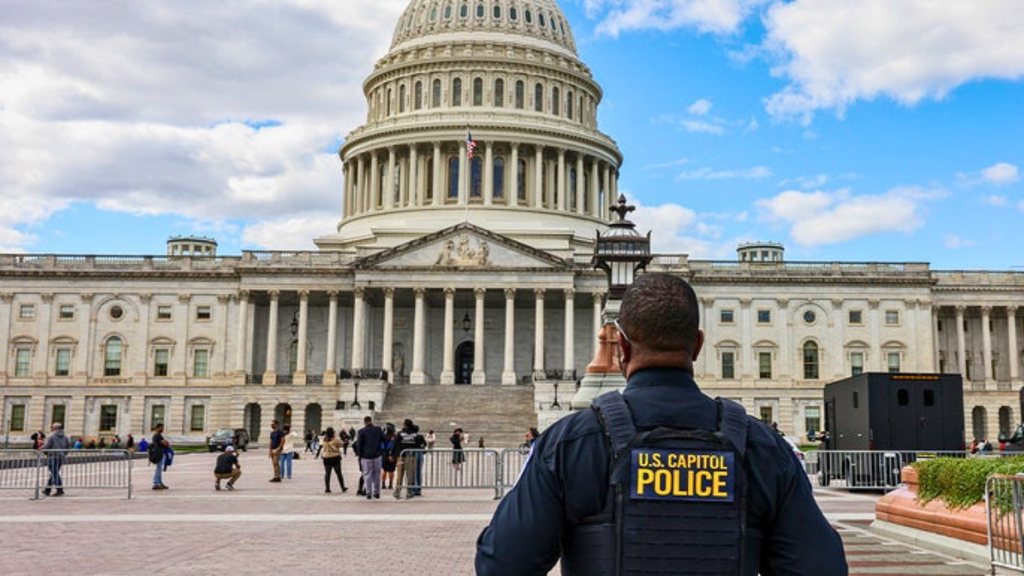
Federal authorities are investigating multiple letters that reportedly contained suspicious substances. The FBI, U.S. Postal Inspection Service and U.S. Capitol Police are coordinating their response.
A warning sent to senior Senate staff described letters mailed to addresses across the country. Some envelopes reportedly targeted congressional offices, prompting officials to strengthen mailroom vigilance.
Authorities are also working to intercept additional letters before delivery. However, officials warned that some suspicious mail could still reach its intended destinations.
The investigation remains active, and officials have not publicly identified anyone responsible. Authorities continue examining the mailings to determine their contents, origins and possible targets.
DSA-Linked Return Address Raises Questions
One envelope displayed a return address associated with the Democratic Socialists of America’s New York City headquarters. That detail quickly attracted attention as investigators examined the suspicious mail.
However, a return address alone does not establish who mailed an envelope. Investigators must verify the address, examine physical evidence and determine whether anyone deliberately misrepresented the sender.
Authorities have not confirmed any connection between the DSA and the suspicious letters. The organization’s name appearing on an envelope does not prove its involvement.
Why Investigators Must Verify the Sender
People can place misleading return addresses on envelopes to conceal their identities or implicate others. Investigators therefore examine handwriting, postal markings, delivery records and other available evidence.
Forensic testing may also help determine whether the letters contain hazardous materials. Officials can then assess whether the substances pose health risks or require additional security measures.
Establishing the sender’s identity remains central to the investigation. Authorities must distinguish verified evidence from assumptions based on an envelope’s appearance.
Congressional Offices Receive Security Warning
The Senate Sergeant at Arms circulated a warning advising staff to remain alert for suspicious letters and packages. The notice emphasized that authorities were investigating multiple mailings nationwide.
Congressional offices regularly receive large volumes of correspondence from constituents, organizations and members of the public. Security teams must identify unusual items without unnecessarily disrupting routine government operations.
The House of Representatives was also monitoring the situation, according to reports about the investigation. Officials have not publicly confirmed every congressional office that may have received a suspicious letter.
What Staff Should Know About Suspicious Mail
Security officials generally advise people to avoid handling packages that appear unusual or potentially dangerous. Unexpected powders, damaged packaging or inconsistent return information can warrant closer attention.
Anyone who encounters a suspicious item should follow established security procedures and notify trained personnel. People should not open, shake or investigate potentially hazardous mail themselves.
Prompt reporting helps authorities assess risks and prevent further exposure. Trained responders can isolate an item and determine the appropriate next steps.
Election Offices Also Face Suspicious Mail Concerns
The federal investigation extends beyond Capitol Hill to election-related offices in several states. Officials have reported letters containing unknown substances, including powdery materials.
Some incidents prompted evacuations or precautionary responses while authorities assessed potential hazards. Investigators are examining whether the separate mailings share a common sender or motive.
Election offices play an essential role in preparing ballots, maintaining voter records and administering elections. Threatening or suspicious deliveries can disrupt those operations and create unnecessary fear among public employees.
Why Election Security Matters
Election officials must protect both physical workplaces and public confidence in voting procedures. Suspicious mail can force staff to pause routine work while security teams investigate.
Authorities have not established that every reported incident stems from the same source. Investigators must compare evidence before linking separate cases or identifying a broader pattern.
The investigation comes ahead of the November 3, 2026, U.S. general election. Officials continue emphasizing safety while election offices prepare for scheduled voting operations.
Anthrax Attacks Renew Concerns About Dangerous Mail
The current investigation recalls the 2001 anthrax attacks, when letters containing deadly spores targeted media organizations and government offices. Those attacks killed five people and caused widespread disruption across the United States.
The anniversary adds historical context to concerns about suspicious mail reaching congressional offices. However, authorities have not indicated that the current letters contain anthrax or any confirmed biological threat.
Unknown substances require careful assessment because their appearance alone cannot establish their composition. Laboratory testing and professional evaluation help determine whether a material presents a genuine danger.
The historical comparison highlights why officials treat suspicious mail seriously. It does not mean the current investigation involves the same substance, perpetrators or motive.
What Happens Next in the FBI Investigation?
Investigators will continue tracing the mailings and examining any recovered substances. Their work may include forensic testing, postal records, surveillance evidence and interviews with relevant witnesses.
Authorities also want to identify anyone responsible for sending the letters. If investigators establish criminal conduct, prosecutors could consider charges under applicable federal or state laws.
For now, the sender’s identity and the motive behind the mailings remain unclear. Officials have not confirmed that the DSA participated in sending the suspicious letters.
The case underscores the importance of careful evidence handling and coordinated security responses. As the FBI and its partners pursue leads, public officials continue monitoring potential threats to congressional and election offices.
Also read: White House Reveals $49 Trillion Price Tag for Socialist Plans