
France moves to help defend Saudi oil facilities as Houthi attacks intensify, raising fresh concerns over energy security, oil prices and regional stability.
France is stepping up efforts to help protect Saudi oil facilities as Yemen’s Houthi movement intensifies missile and drone attacks, increasing concerns about global energy security. The European power is implementing a strategic agreement with Saudi Arabia amid rising regional tensions and renewed threats against critical infrastructure. The latest developments highlight the growing international effort to protect energy supplies and prevent further escalation across the Middle East.
France Strengthens Saudi Oil Security Amid Rising Threats
France is advancing cooperation with Saudi Arabia to strengthen protection for vital oil infrastructure as attacks threaten the kingdom’s economic interests. The agreement reflects growing concerns about the security of energy installations, export routes and other strategic assets across the Gulf region.
Saudi Arabia remains a major global oil producer, making the safety of its petroleum infrastructure important for international energy markets. Disruptions affecting production, refining or exports could create uncertainty for buyers and influence crude oil prices worldwide.
The French initiative also signals stronger European engagement in Gulf security as regional conflicts increasingly threaten international trade. However, the effectiveness of these measures will depend on implementation, military coordination and the evolving security situation.
Why Saudi Oil Facilities Matter to Global Markets
Saudi Arabia’s oil infrastructure supports production, processing, transportation and exports that serve customers across Asia, Europe and other regions. Major facilities operated by Saudi Aramco play a central role in the kingdom’s economy and international energy supply chains.
Attacks against these installations can create risks beyond immediate physical damage. Even temporary disruptions or credible threats may influence market expectations, shipping decisions and energy prices.
For importing countries, higher oil prices can increase transportation costs and contribute to inflation. Businesses that depend on petroleum products may also face greater operating expenses when energy markets become unstable.
Houthi Missile and Drone Attacks Raise Security Concerns
Yemen’s Iran-aligned Houthi movement has intensified attacks against Saudi targets amid renewed fighting in Yemen and broader regional tensions. The group has threatened airports and oil facilities while describing its operations as retaliation for Saudi military action.
Recent attacks have highlighted the vulnerability of critical infrastructure, including aviation facilities and energy installations. Saudi authorities and coalition officials have reported repeated missile and drone threats against strategic locations.
The escalating campaign has increased pressure on Saudi Arabia to strengthen air defenses and coordinate with international partners. France’s involvement could contribute to wider cooperation, although the agreement’s practical military details remain important to understanding its likely impact.
Saudi Aramco Headquarters Faces a Serious Threat
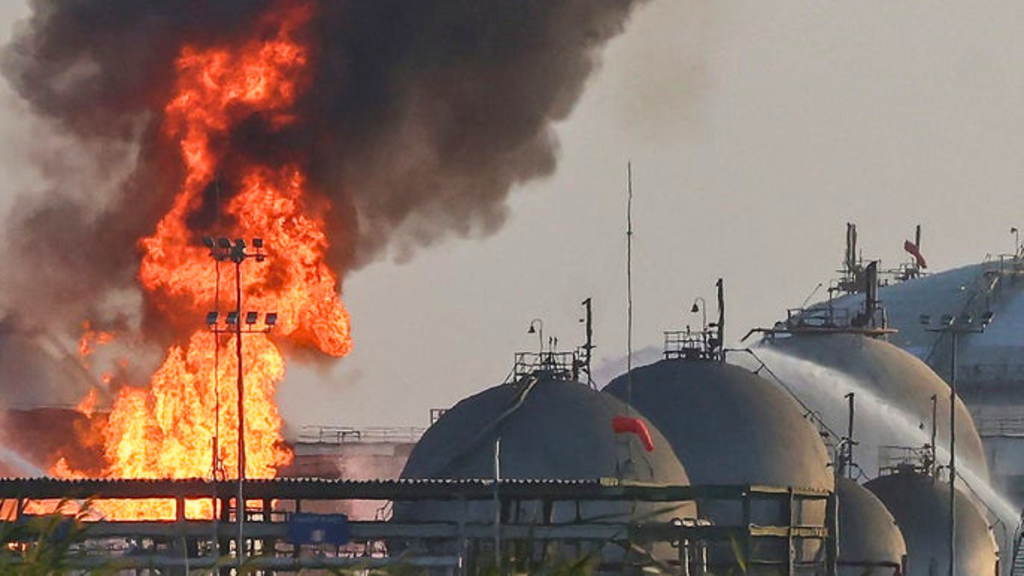
An attack on the Saudi Aramco headquarters complex in Dhahran has intensified concerns about the safety of the kingdom’s energy sector. Reports indicated that a missile struck an office tower within the complex, damaging its upper floors and triggering a fire.
The incident underscored the strategic importance of protecting facilities associated with oil production, operations and distribution. Aramco oversees extensive infrastructure, including oil fields, pipelines, refineries and export terminals.
Damage to an individual building does not automatically mean that oil production has stopped. Nevertheless, attacks near major energy operations can complicate security planning and increase uncertainty about potential disruptions.
How the Escalation Could Affect Oil Prices
Oil markets closely monitor geopolitical developments in major producing regions because unexpected supply disruptions can influence prices. Traders assess physical damage, shipping risks, production interruptions and the possibility of further attacks.
If attacks significantly disrupt Saudi oil production or exports, global crude prices could face upward pressure. However, prices also depend on demand, available inventories, production from other countries and expectations about how long disruptions might last.
Energy Security Becomes an International Priority
France’s cooperation with Saudi Arabia reflects the wider challenge of protecting energy infrastructure during regional conflicts. Governments must consider military defenses, intelligence sharing, emergency planning and the resilience of supply networks.
Protecting facilities also requires attention to civilian safety and the potential consequences of expanding hostilities. Missile interceptions, damaged infrastructure and disruptions to transport can create risks for communities beyond the immediate conflict zone.
For Europe and Asia, stability in the Gulf remains important because energy markets connect producers, shipping operators, refiners and consumers across continents.
What Happens Next for Saudi Arabia and France?
The immediate priority is to strengthen protection for Saudi energy infrastructure while reducing the risk of additional attacks. France and Saudi Arabia will need effective coordination if their security agreement is to deliver practical benefits.
Saudi authorities must also weigh defensive measures against the danger of a wider confrontation. Continued attacks could increase pressure for military responses, potentially prolonging instability across Yemen and neighboring countries.
Diplomatic engagement remains important alongside defensive preparations. Any lasting reduction in threats will depend on the conflict’s broader political and military trajectory.
Ultimately, the growing focus on Saudi oil security demonstrates how regional violence can affect international energy supplies. The effectiveness of French-Saudi cooperation will become clearer as implementation progresses and the security situation develops.








