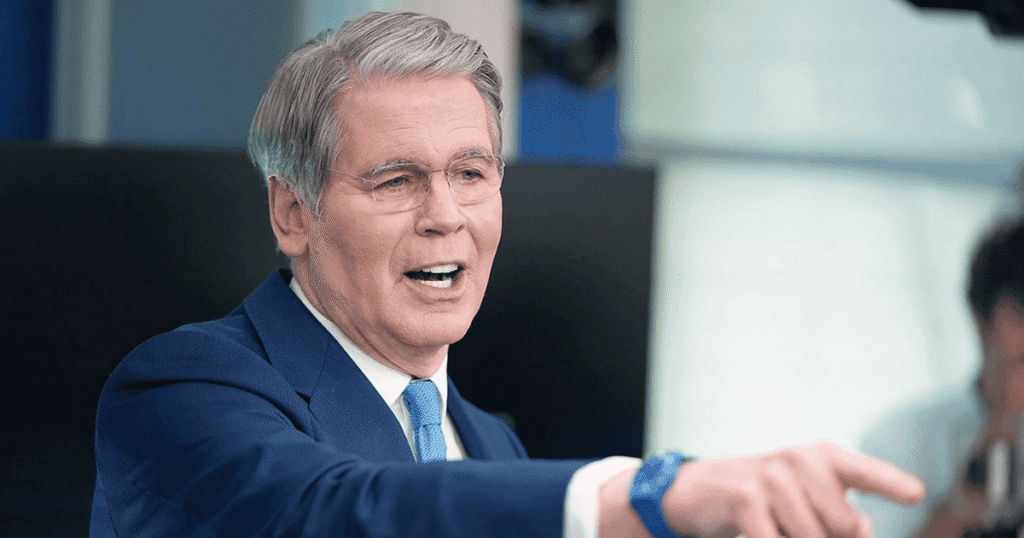
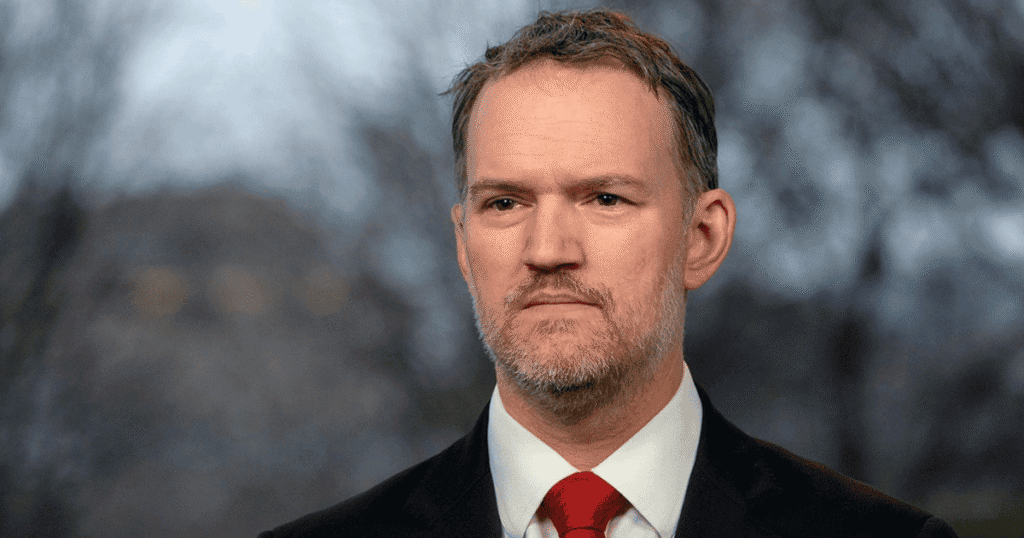
Trump trade chief Jamieson Greer says Canada rejected a major U.S. trade offer after seeking more tariff relief, deepening the dispute between both nations.
Trump trade chief says Canada rejected major deal
U.S. Trade Representative Jamieson Greer is offering new details about the breakdown in trade negotiations with Canada, saying Ottawa walked away from what the Trump administration considered an exceptionally favorable agreement.
Greer said U.S. officials had worked to provide Canada with improved terms covering some of its most important industries, including steel, aluminum, automobiles and lumber.
According to Greer, the negotiations appeared to reach a handshake agreement between President Donald Trump and Canadian Prime Minister Mark Carney before Canadian officials returned to Ottawa and subsequently sought additional concessions.
“We offered them the best deal,” Greer said during an interview on Fox News’ “Special Report.”
Greer says Canada wanted more tariff relief
Greer said the administration was willing to move several policy levers to address Canadian concerns over tariffs affecting major industries.
He said the proposed arrangement would have provided Canada with favorable treatment on steel, aluminum, autos and lumber — sectors that are particularly important to the Canadian economy.
But after returning to Ottawa, Canadian officials allegedly came back with additional demands.
“When they came back, they wanted more,” Greer said, arguing that Canadian officials wanted further tariff relief beyond what had already been negotiated.
Greer said Washington could not accommodate those additional requests.
The disagreement ultimately led Canada to suspend formal negotiations on Aug. 21.
Canada disputes Washington’s version
The Canadian government has offered a substantially different account of why the talks collapsed.
Prime Minister Mark Carney said Canada could not accept the terms proposed by Washington and accused the United States of repeatedly changing its demands during the negotiations.
Carney said Canadian negotiators were seeking a comprehensive agreement that would provide greater certainty for businesses while reducing tariffs on key Canadian industries.
He also argued that Canada had been prepared to make concessions of its own, including removing remaining retaliatory tariffs on strategic sectors if the United States substantially reduced its tariffs.
According to Carney, the latest U.S. proposals were “uneconomic” and unfair to Canada. He said the cumulative effect of Washington’s demands made the proposed agreement unacceptable.
The competing accounts illustrate how far apart the two governments remain over the failed negotiations.
Trump administration calls it a missed opportunity
Greer said the United States did not expect Canada to receive everything it wanted from the agreement.
He argued that trade negotiations necessarily involve compromises from both sides.
“We were ready to do it. We gave them the best deal in the world,” Greer said, while acknowledging that the proposed agreement did not satisfy every U.S. objective either.
The trade representative said Canada was nevertheless given an opportunity to secure better access for some of its most important exports.
Greer also pushed back against Canadian claims that the United States had effectively attacked its northern neighbor through its tariff policy.
He noted that the vast majority of Canadian goods entering the United States remain duty-free under the broader trade framework.
Trade war intensifies between Washington and Ottawa
The failed negotiations come amid an increasingly tense U.S.-Canada trade relationship.
Canada has imposed retaliatory measures in response to U.S. tariffs, while the Trump administration has continued to threaten or implement additional duties on Canadian products.
The dispute has affected major industries on both sides of the border, including automobiles, steel, aluminum, agriculture and energy.
Recent Canadian trade data showed the country’s exports to the United States fell 6.6% in July, while imports from the U.S. increased 1.8%. The United States still accounted for more than 66% of Canada’s exports during the month.
That heavy economic dependence makes the ongoing dispute particularly significant for Canadian businesses.
Carney says Canada will defend its interests
Carney has maintained that Canada is prepared to pursue alternative trading relationships while reducing its dependence on the United States.
In his remarks announcing the suspension of negotiations, the Canadian prime minister said Ottawa would respond to new U.S. tariffs with matching measures designed to protect Canadian workers and businesses.
Canada has also emphasized efforts to expand trade with countries outside the United States.
At the same time, Carney acknowledged the costs of retaliatory tariffs and said the dispute was preventing the two countries from pursuing mutually beneficial economic opportunities.
Future of U.S.-Canada deal remains uncertain
Greer said he has received some outreach from Canadian officials since negotiations were suspended, but no formal talks had resumed at the time of his Fox News interview.
He said the next move is now largely up to Ottawa.
For the Trump administration, the dispute represents another test of its strategy of using tariffs to secure concessions from major trading partners.
For Canada, the negotiations have become a broader debate over economic sovereignty and how much access to the U.S. market Ottawa should accept in exchange for lower tariffs.
Whether Washington and Ottawa can return to the negotiating table remains unclear. But with tariffs continuing to pressure businesses on both sides of the border, the economic stakes of the next round of talks are substantial.