Shocking Cue Card Clash Rocks Alaska Senate Debate as Peltola defends notes while Sullivan questions her preparation amid Alaska’s high-stakes Senate race.
Shocking Cue Card Clash Rocks Alaska Senate Debate
Shocking Cue Card Clash Rocks Alaska Senate Debate after Democratic Senate candidate Mary Peltola drew attention for consulting notecards during a televised debate. Republican Sen. Dan Sullivan questioned her approach, turning the moment into a talking point in Alaska’s closely watched Senate contest.
The exchange unfolded Thursday as both candidates discussed major issues affecting Alaska and the nation. Sullivan challenged Peltola’s reliance on notes, while she defended herself by emphasizing her preparation.
The brief confrontation quickly attracted political criticism and social media commentary. It also raised questions about debate preparation, campaign messaging, and how candidates handle pressure during public appearances.
However, the notecards represented only one moment in a debate covering energy costs, foreign policy, economic concerns, and Alaska’s future. Both candidates used the event to challenge their opponent’s record and present competing visions for the state.
Dan Sullivan Challenges Mary Peltola Over Debate Notes
Sullivan criticized Peltola after she appeared to consult a small card containing written points. He later questioned whether candidates had received debate questions before the event.
“Really, Mary? Reading off a script? You can’t cue-card your way through the Senate,” Sullivan wrote on social media.
During the debate, Sullivan also asked moderators whether candidates had received the questions in advance. The moderators said they had not provided questions beforehand.
Sullivan then suggested that Peltola’s use of notes caught his attention. His comments shifted some public discussion away from policy disagreements and toward her debate performance.
How Peltola Responded to the Criticism
Peltola defended her approach by saying she was prepared. She did not accept Sullivan’s implication that using notes undermined her ability to serve in the Senate.
Candidates often prepare written reminders before debates to organize statistics, policy positions, and key arguments. Notecards can help speakers remember specific details during lengthy discussions.
However, opponents may portray visible notes as evidence of excessive scripting or dependence on campaign talking points. That criticism can become a political issue when voters expect candidates to answer questions directly.
The incident does not establish that Peltola lacked knowledge of the topics. Nor does using notes alone demonstrate whether a candidate would perform effectively in elected office.
Why Cue Cards Became a Political Flashpoint
Debates provide candidates with opportunities to demonstrate their knowledge, communication skills, and ability to respond under pressure. Even small gestures can attract attention when campaigns compete for favorable coverage.
Peltola’s notecards became a visual focus because viewers could see her looking down during answers. Sullivan used that moment to question her preparation in front of a statewide audience.
Political campaigns often amplify moments that support their broader arguments about an opponent. A short exchange can therefore receive more attention than a detailed discussion of policy proposals.
The Difference Between Preparation and Dependence
Preparation is a normal part of political debate. Candidates review policy details, organize arguments, anticipate difficult questions, and identify facts they want to communicate.
Written notes can help prevent mistakes, especially when debates cover many complex subjects. They may also provide reminders about local projects, budget figures, and legislative records.
Nevertheless, voters may expect candidates to explain their positions clearly without reading every response. The public often judges debate performances through a combination of substance, confidence, clarity, and responsiveness.
A single clip cannot fully establish a candidate’s abilities. Voters need to consider the complete debate, the accuracy of each candidate’s claims, and their records in public service.
Alaska Senate Race Draws National Attention
The contest between Sullivan and Peltola has attracted attention beyond Alaska. Republicans are defending a closely divided Senate, while Democrats are seeking opportunities to gain seats during the 2026 midterm elections.
Sullivan is seeking another term after serving as Alaska’s Republican senator since 2015. Peltola, a former congresswoman, is challenging him after representing Alaska in the House.
Her earlier congressional victory made her a prominent Democratic figure in a state where Republicans usually hold significant electoral strength. The Senate campaign now gives her another opportunity to compete for statewide office.
Why the Senate Seat Matters
Control of the Senate affects confirmations, legislation, federal spending, and oversight of the executive branch. The outcome could influence how Congress responds to the administration’s policy agenda.
Alaska also occupies a distinctive position in national debates over energy production, Arctic security, fisheries, and infrastructure. Its geography and natural resources give the state particular importance in federal policy discussions.
Both campaigns have emphasized their ability to represent Alaska’s interests in Washington. Their debate highlighted disagreements about which policies would best address the state’s economic and strategic priorities.
Energy Prices and the Iran War Drive Debate
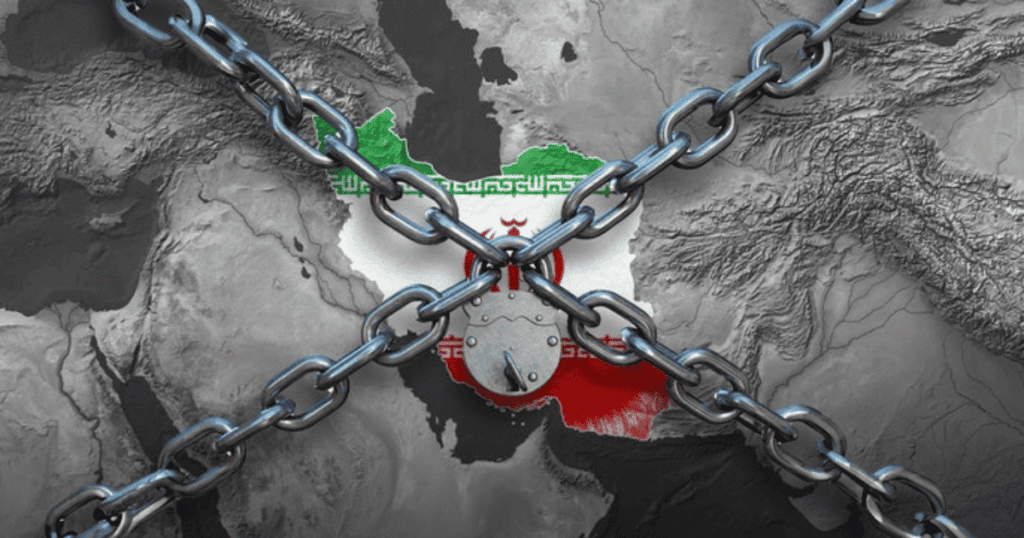
The candidates clashed over the Iran war and its effects on household budgets. Peltola argued that the conflict had increased energy costs and placed additional pressure on Alaskan families.
She called for an end to the war and highlighted its consequences for military personnel and consumers. Her remarks connected international developments with everyday concerns about fuel and electricity bills.
Sullivan also said the conflict should end soon. He emphasized the need to reopen the Strait of Hormuz and prevent Iran from obtaining nuclear weapons.
The candidates disagreed about the best way to lower energy prices. Sullivan argued that greater domestic energy production could reduce costs, while Peltola criticized the administration’s handling of the conflict.
How Global Events Affect Alaska
Alaska’s economy has strong connections to energy markets and resource development. Changes in global oil prices can influence fuel costs, transportation expenses, and business operating costs.
Higher energy prices can affect residents across the state, particularly those who rely on long-distance travel or expensive heating systems. Remote communities may face additional logistical challenges when fuel prices rise.
The candidates offered different explanations for the pressures facing consumers. Their disagreement reflected a wider national debate about foreign policy, domestic production, and the cost of living.
Alaska Gas Pipeline Creates Another Major Disagreement
The proposed Alaska liquefied natural gas pipeline also featured prominently during the debate. The project has long attracted interest because supporters believe it could expand natural gas exports and encourage investment.
President Donald Trump’s administration has promoted efforts to advance the project. However, questions remain about financing, foreign investment, construction costs, and long-term commercial demand.
Sullivan defended the administration’s approach and argued that international agreements could support the project. Peltola warned against presenting potential investment as a firm commitment before officials confirm the details.
Economic Promise Versus Uncertain Commitments
Supporters say the pipeline could create construction jobs, increase economic activity, and expand Alaska’s role in international energy markets. They also argue that natural gas exports could strengthen commercial ties with Asian economies.
Critics point to the project’s substantial cost and complex construction requirements. They question whether companies will commit enough capital to make the project commercially viable.
The pipeline would require extensive infrastructure across challenging terrain and harsh weather conditions. Developers would also need to secure financing, obtain approvals, and establish reliable buyers for exported gas.
The debate exposed a central question facing Alaska’s energy future: how should officials balance potential economic benefits against financial and practical risks? Neither candidate’s statements alone resolve the project’s commercial uncertainties.
Candidates Trade Claims About Honesty and Leadership
The debate also included personal criticism as both candidates challenged each other’s credibility. Peltola accused Sullivan of misleading voters, while Sullivan repeatedly questioned her statements and judgment.
These exchanges reflected a campaign in which personal trust has become an important issue. Both candidates want voters to believe they can represent Alaska effectively in Washington.
Sullivan highlighted his experience in the Senate and his approach to national security and energy policy. Peltola emphasized her connection to Alaska’s communities and criticized policies she believes have increased costs for residents.
What Voters Should Consider Beyond the Headlines
Dramatic exchanges can shape public impressions, but they do not replace careful evaluation of policy positions. Voters can compare candidates’ voting records, proposals, and explanations of how their plans would work.
They can also examine whether campaign claims include clear evidence and measurable commitments. Specific details often provide a stronger basis for evaluation than personal attacks or short video clips.
The cue-card dispute may remain a memorable moment from the debate. Still, the candidates’ positions on energy, foreign policy, infrastructure, and household costs carry broader implications for Alaska.
Social Media Amplifies Debate Moments
Modern political campaigns increasingly use short video clips and social media posts to shape public discussion. A single exchange can spread quickly when supporters and opponents share contrasting interpretations.
Sullivan’s criticism gave Republican commentators a clear moment to highlight. Peltola’s supporters, meanwhile, could argue that prepared notes are ordinary tools rather than evidence of poor preparation.
Such online reactions often reflect existing political loyalties. They may reward sharp criticism while giving less attention to detailed explanations of complex policy questions.
Why Context Still Matters
A short clip can omit the question that prompted an answer or the wider discussion surrounding it. Viewers may therefore miss important context when they encounter debate footage online.
The fairest assessment considers the complete exchange and the candidates’ responses throughout the event. It also separates verifiable facts from campaign rhetoric and personal interpretations.
In this case, Peltola visibly consulted notes, and Sullivan criticized her for doing so. The incident alone does not establish broader conclusions about her qualifications or future performance.
What Happens Next in the Alaska Senate Race?
Both campaigns will likely continue emphasizing the moments and policy disagreements that best support their messages. Sullivan can point to the cue-card exchange as part of his criticism of Peltola’s debate performance.
Peltola can continue focusing on energy prices, the Iran war, and the administration’s economic policies. She can also use campaign events to explain her proposals and address criticism directly.
As the November 2026 election approaches, voters will receive additional opportunities to compare the candidates. Interviews, campaign statements, policy documents, and future public appearances may offer more information about their priorities.
The debate’s long-term impact remains uncertain. Its significance will depend partly on whether voters view the cue-card moment as important or focus more heavily on the candidates’ policy positions.
Conclusion: Cue Card Controversy Adds Tension to Senate Race
The Shocking Cue Card Clash Rocks Alaska Senate Debate story began when Mary Peltola consulted notecards during her televised confrontation with Dan Sullivan. Sullivan questioned her approach, while Peltola defended herself by emphasizing that she was prepared.
The exchange quickly became a political talking point, but the debate covered far more than written notes. Both candidates argued over energy costs, the Iran war, the proposed Alaska gas pipeline, and their records in public service.
The incident illustrates how debate presentation can influence political coverage during a competitive Senate campaign. However, it does not independently determine a candidate’s qualifications or the strength of their policy proposals.
Ultimately, Alaska voters will weigh the candidates’ records, ideas, and explanations as they decide whom to support. The broader debate over energy, affordability, and national policy will remain central to the Senate contest.
Also read: Maine Debate Erupts as Jackson Tells Collins to Shut Up