
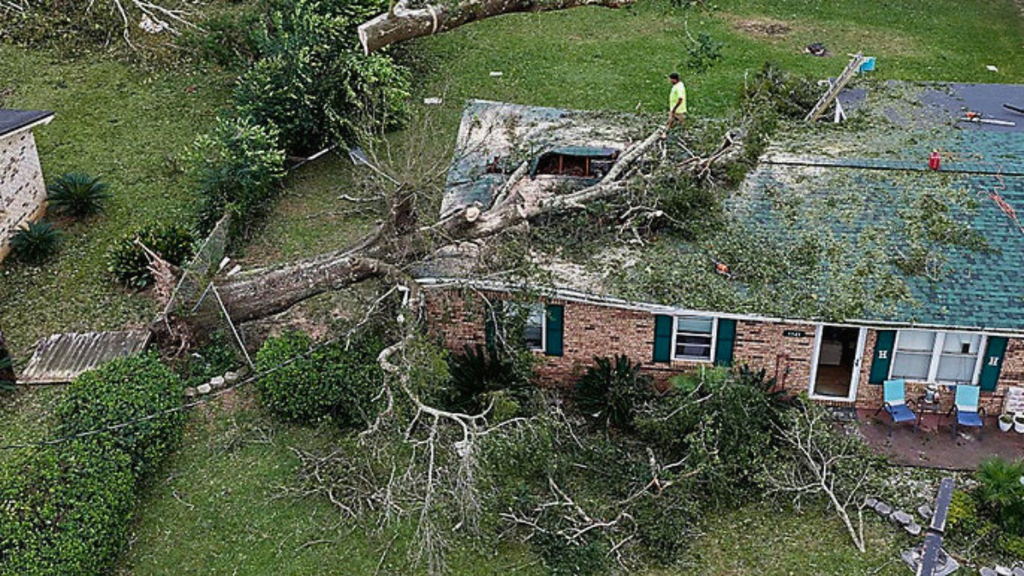
Isaias remnants threaten millions with heavy rain, severe storms and flooding across the Northeast as forecasters warn of dangerous weather and travel disruptions.
Millions Face Heavy Rain as Isaias Remnants Move Northeast
Isaias Remnants Bring Dangerous Storms to the Northeast as millions prepare for heavy rainfall, severe thunderstorms, and possible flooding. The approaching weather system threatens communities across the Mid-Atlantic and Northeast, raising concerns about travel delays and localized damage.
Forecasters warn that the storm’s remnants could bring periods of intense rain and gusty winds. Some communities may experience rapidly changing conditions, especially where thunderstorms develop or rainfall overwhelms drainage systems.
Residents should monitor local weather alerts and prepare for potential disruptions. Even weakening tropical systems can produce dangerous rainfall long after their strongest winds subside.
<WritingBlock id=”86420″ variant=”document”># Isaias Remnants Bring Fierce Rain to Northeast
Meta Description: Isaias Remnants Bring Fierce Rain to Northeast as millions face downpours, flooding risks and travel delays across the Mid-Atlantic and Northeast this weekend.!
Isaias Remnants Bring Fierce Rain to Northeast as millions face heavy downpours, potential flooding, and dangerous weather conditions. The weakening storm system is moving northeast after striking Florida’s Gulf Coast, threatening communities with additional rainfall and travel disruptions.
Weather officials warn that lingering moisture could trigger flash flooding across parts of the Mid-Atlantic and Central Appalachians. Residents should remain alert as the system continues its inland journey.
Isaias Remnants Threaten Millions With Heavy Rain
The remnants of Hurricane Isaias are expected to spread significant rainfall across several eastern states. The storm weakened after making landfall near Florida’s Panhandle, but its remaining moisture continues to create hazardous conditions.
Forecasts indicate that heavy rain could affect the Mid-Atlantic on Sunday, October 11. Some locations may experience localized flooding, particularly in urban neighborhoods and areas with poor drainage.
Which Areas Face the Greatest Flooding Risk?
Communities across the Central Appalachians and Mid-Atlantic face potential flooding as rain bands move through the region. Local conditions will determine where rainfall becomes intense enough to overwhelm drainage systems.
Forecasters also warn that isolated flash flooding remains possible as the storm advances northeast. Drivers should avoid flooded roads and follow guidance from local emergency officials.
Severe Weather Concerns Continue After Landfall
Although Isaias has lost its hurricane strength, its remnants can still produce dangerous weather. Heavy rainfall remains the primary concern across portions of the eastern United States.
Strong wind gusts continue to threaten parts of the Southeast, particularly elevated areas. Falling trees, damaged power lines, and isolated outages remain possible where winds strengthen.
Meanwhile, forecasters warn that isolated tornadoes could develop across parts of Virginia and North Carolina. Residents should monitor local alerts for changing conditions and potential warnings.
Why Weakened Tropical Systems Remain Dangerous
A tropical system does not need hurricane-force winds to cause serious damage. Persistent rainfall can rapidly raise water levels in streams, flood streets, and disrupt transportation.
Storm remnants also carry moisture far inland after losing their organized tropical structure. These conditions can produce hazardous weather well beyond the coastline.
Travel Disruptions Possible Across the Northeast
Heavy rain could complicate travel for commuters and weekend travelers throughout affected communities. Reduced visibility, standing water, and sudden flooding may create dangerous driving conditions.
Air travelers should check their flight status before leaving for the airport. Local transportation agencies may also issue road closures if flooding affects major routes.
Residents can reduce risks by securing outdoor items and keeping emergency supplies accessible. Anyone living in a flood-prone area should prepare for possible evacuation instructions.
What Residents Should Watch Next
Weather conditions will depend on the storm’s remaining moisture and its movement across the eastern United States. Forecast updates will help identify areas facing the greatest rainfall and flooding threats.
Officials encourage residents to follow local weather warnings rather than relying solely on broad regional forecasts. Conditions can vary significantly between neighboring communities during periods of heavy rain.
Ultimately, Isaias serves as a reminder that weakened storms can still create dangerous conditions far inland. Staying informed and avoiding flooded roads remain essential precautions as the system moves northeast.
Also read: Pope Leo Faces Surgery After Shocking Lung Discovery








