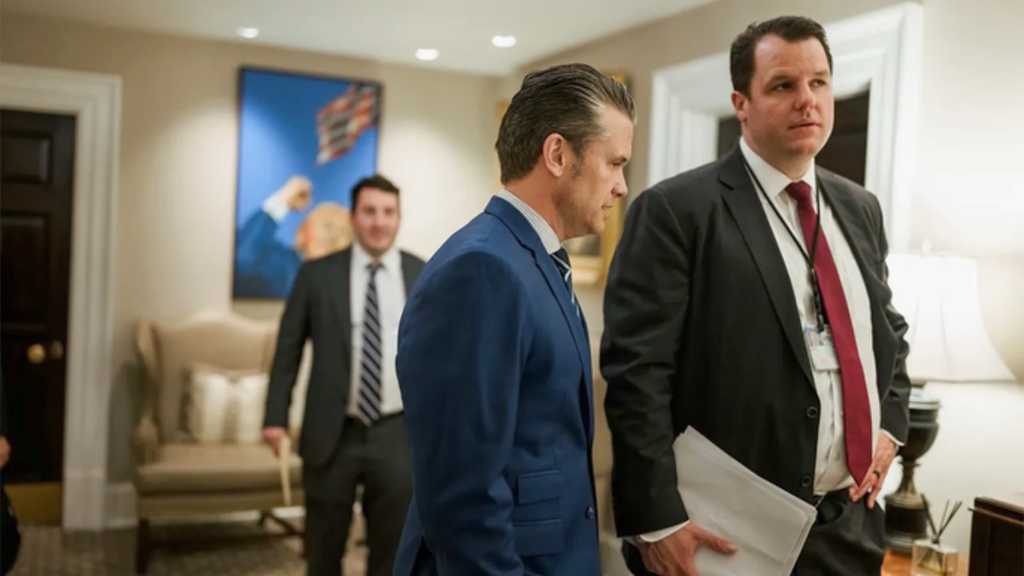
Trump Whisperer Reveals Secret Deal-Making Tactics as James Braid exits, he shares Trump’s Capitol Hill dealmaking secrets during his final days in office.
Trump Whisperer Reveals Secret Deal-Making Tactics
Trump Whisperer Reveals Secret Deal-Making Tactics as James Braid leaves the White House after helping President Donald Trump navigate complex congressional negotiations. His departure offers a rare look at the strategy behind the administration’s legislative victories.
Braid served as director of the White House Office of Legislative Affairs for two years. During that time, he worked closely with lawmakers and administration officials to move Trump’s policy agenda through Congress.
His responsibilities included building support for legislation, addressing Republican disagreements, and helping secure votes on major proposals. The work often demanded patience, careful communication, and sustained negotiations with lawmakers who held different priorities.
As he prepares for his next chapter, Braid has described the practical realities of presidential dealmaking. His experience highlights how relationships and persistence can influence legislative outcomes in Washington.
Who Is James Braid, Trump’s Capitol Hill Whisperer?
James Braid became an important figure in Trump’s second-term legislative operation despite remaining relatively unknown to many Americans. His position placed him at the intersection of the White House and Congress.
Braid helped coordinate efforts to turn presidential priorities into legislation. He also worked with congressional leaders to address disagreements that threatened the administration’s agenda.
His influence came from access, preparation, and a detailed understanding of Capitol Hill’s political dynamics. The role required him to know which lawmakers supported proposals and which concerns could derail negotiations.
A Trusted Adviser With Congressional Experience
Braid developed relationships with lawmakers and administration officials through years of political work. His experience helped him understand the competing pressures facing members of Congress.
Vice President JD Vance previously worked with Braid during his Senate career. Vance later brought him into the administration, where Braid became involved in major policy negotiations.
That history helped position Braid as a trusted participant in the White House’s legislative strategy. His work demonstrated how experienced aides can shape policy without becoming household names.
The Secret Behind Trump’s Deal-Making Strategy
Braid identified straightforward communication as a central element of successful negotiations. He said the White House needed to explain its goals clearly while maintaining honest relationships with lawmakers.
Legislative negotiations rarely follow a simple path from proposal to approval. Members of Congress often demand changes, seek concessions, or raise concerns about the political consequences of supporting a bill.
Braid’s approach involved understanding those concerns rather than treating every disagreement as a permanent obstacle. His account suggests that consistent communication can preserve relationships even when negotiations become tense.
Why Candid Conversations Matter
Trump is known for direct public criticism of lawmakers who oppose his priorities. Such confrontations can create tension between the president and members of his own party.
Braid argued that disagreements do not necessarily destroy working relationships. He described Trump’s ability to have a difficult conversation one day and resume a friendly interaction soon afterward.
That approach can help negotiations continue after public disputes. However, its effectiveness depends on whether lawmakers remain willing to work with the administration.
Braid also stressed the importance of being an honest intermediary. Congressional members need to understand what the White House wants and what compromises officials might consider.
How the White House Secured Major Legislative Victories
Braid helped advance several administration priorities, including efforts to reverse policies associated with former President Joe Biden. He also played a role in negotiations surrounding Trump’s major tax and domestic policy package.
The legislation faced uncertainty during its journey through Congress. Republican lawmakers disagreed over spending, fiscal priorities, and the potential consequences of different provisions.
At several points, the bill’s prospects appeared uncertain. Braid recalled watching news coverage that repeatedly questioned whether Republicans could secure enough support.
Despite those challenges, the administration continued negotiations with congressional holdouts. Leaders across the Republican Party worked to resolve disputes and assemble the votes required for passage.
The Challenge of Trump’s Major Tax Bill
The administration’s signature tax and policy legislation demanded extensive coordination. Republican lawmakers held different views about federal spending and the government’s broader fiscal direction.
Braid recalled a meeting at Sterling Golf Club in Virginia involving Trump, administration officials, and Republican senators. The participants debated the administration’s overall funding strategy during a lengthy discussion.
The meeting illustrated the intensity of negotiations behind major legislative decisions. Even lawmakers from the same party can disagree sharply about how to achieve shared goals.
Ultimately, the legislation passed both chambers of Congress. Braid credited the commitment of administration officials and Republican congressional leaders for helping bring the measure across the finish line.
Trump signed the legislation on July 4, creating a defining moment in Braid’s White House tenure. He later identified the signing ceremony as one of his most memorable experiences in the role.
Trump’s Relationship With Congress Requires Constant Attention
Presidential legislative strategy depends on more than party loyalty. Lawmakers represent different states, districts, industries, and voter priorities, which can complicate efforts to build a unified position.
Braid explained that Trump closely follows congressional voting during major legislative battles. The president wants to know how lawmakers vote and where they stand on important proposals.
That attention allows the administration to identify supporters, potential opponents, and undecided members. It also helps officials understand which relationships need additional attention before a crucial vote.
Why Republican Unity Can Be Difficult
Republicans may share broad policy objectives while disagreeing over specific legislation. Fiscal conservatives, moderates, and members facing difficult elections can approach the same proposal differently.
Those differences can become especially important when a bill passes through Congress with a narrow margin. A small number of dissenting lawmakers can force leaders to renegotiate provisions or delay a vote.
The White House must therefore balance presidential priorities with lawmakers’ political and policy concerns. Successful negotiations often require compromises that preserve the central goals of a proposal.
Braid’s experience underscores the importance of maintaining communication throughout that process. Relationships built before a legislative crisis can become especially valuable when negotiations reach a critical stage.
Can Public Feuds Damage Trump’s Capitol Hill Strategy?
Trump’s confrontational style has sometimes produced public disputes with Republican lawmakers. Such disagreements can attract attention and complicate the administration’s efforts to secure legislative support.
Braid suggested that one public disagreement does not define an entire relationship. He emphasized that lawmakers and administration officials can move beyond individual confrontations when both sides remain interested in cooperation.
Nevertheless, public criticism can create political pressure. A lawmaker who faces criticism from the president may need to respond to constituents, colleagues, or supporters before returning to negotiations.
The administration must also consider the consequences of escalating disputes. Strong public statements can energize supporters, but they may make private compromise more difficult.
The Balance Between Pressure and Persuasion
Presidents have several tools for influencing congressional behavior. They can use personal outreach, public messaging, party leadership, policy concessions, and political pressure.
Braid’s account highlights the role of direct engagement alongside public pressure. Maintaining a channel for honest discussion can help prevent disagreements from permanently blocking negotiations.
However, lawmakers retain independent responsibilities and political interests. Their decisions depend on the substance of legislation, constituent concerns, and the consequences of supporting or opposing a proposal.
The balance between pressure and persuasion remains a defining feature of Trump’s relationship with Congress. Braid’s departure provides a useful perspective on the work required to manage that relationship.
James Braid Leaves as Katie Bailey Takes Over
Braid’s departure marks a leadership transition within the White House legislative affairs operation. Katie Bailey, his former deputy director, is taking over the position.
The transition places responsibility for congressional coordination in new hands while the administration continues pursuing its policy agenda. Bailey will need to maintain relationships with lawmakers and manage upcoming legislative priorities.
Braid offered practical advice for his successor. He emphasized the need to remain focused on the issue at hand and avoid distractions that could prevent a proposal from reaching the president.
He also encouraged a measured sense of optimism during difficult negotiations. Even when a legislative effort appears close to failure, circumstances can change as lawmakers reconsider their positions.
What the Transition Means for Trump’s Agenda
A change in personnel does not automatically alter the administration’s legislative priorities. Bailey inherits an office responsible for communicating with Congress and helping coordinate the White House’s policy goals.
Her effectiveness will depend partly on existing relationships and the administration’s ability to maintain cooperation with congressional leaders. She will also face the challenge of managing disagreements within the Republican Party.
Braid’s departure may bring a different approach to daily negotiations, but the office’s core responsibilities remain. The administration still needs congressional support for legislation, spending decisions, and other policy initiatives.
What Comes Next for James Braid?
Braid has indicated that he plans to take some time before deciding his next professional move. After years of demanding work on Capitol Hill and in the White House, he is preparing for life outside the administration.
His experience could create opportunities in political consulting, government relations, public policy, or other areas connected to Washington. However, he has not publicly confirmed a specific next position.
Leaving government does not erase the relationships and knowledge developed during a senior legislative role. Former officials often carry detailed experience of congressional procedures and policy negotiations into their next careers.
For Braid, the immediate challenge is deciding how to use that experience beyond the White House. His next move remains uncertain as he begins a new chapter.
Why Capitol Hill Deal-Making Matters to Americans
Negotiations between the White House and Congress can directly affect taxes, federal spending, healthcare, energy, and other national priorities. The outcomes influence government programs and the financial decisions facing households and businesses.
Although the public often focuses on presidential speeches and congressional votes, much of the work occurs through private discussions. Staff members help identify disagreements, develop compromises, and coordinate the steps required for legislation to advance.
Braid’s experience illustrates the importance of that less visible process. Policy success often depends on repeated conversations and practical compromises rather than dramatic public announcements alone.
The process also demonstrates the limits of presidential influence. Even a president with strong support from party leaders must navigate individual lawmakers’ priorities and the requirements of the legislative system.
Conclusion: Trump’s Deal-Making Strategy Faces a New Chapter
Trump Whisperer Reveals Secret Deal-Making Tactics as James Braid leaves a key White House position after two years of legislative negotiations. His experience offers insight into how communication, persistence, and congressional relationships helped advance the president’s agenda.
Braid’s account shows that even high-profile political victories require extensive behind-the-scenes work. Major legislation can face serious uncertainty before lawmakers reach compromises and secure enough votes for passage.
His departure also marks a transition for the White House Office of Legislative Affairs, with Katie Bailey taking over the role. The administration will need to maintain congressional cooperation as it pursues its remaining priorities.
Ultimately, Braid’s central lesson is that successful dealmaking requires focus and realistic optimism. In Washington, strong relationships can help keep negotiations alive even when political disagreements appear difficult to overcome.
Also read: Shocking Cue Card Clash Rocks Alaska Senate Debate