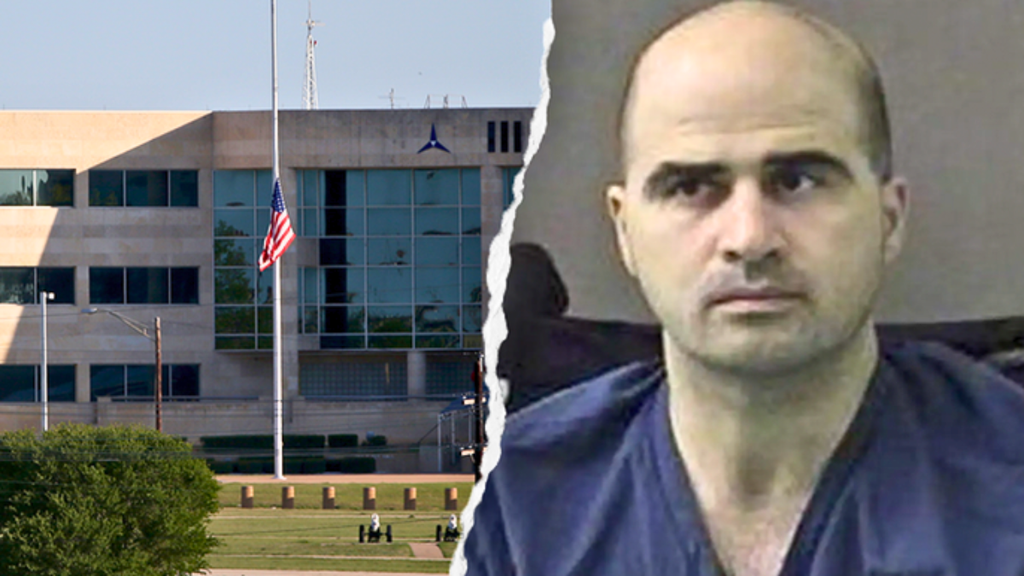
Trump Halts Execution Livestream After Fierce Backlash: Trump cancels plan after backlash, prompting debate over military justice and deterrence worldwide.
Trump Halts Execution Livestream After Fierce Backlash
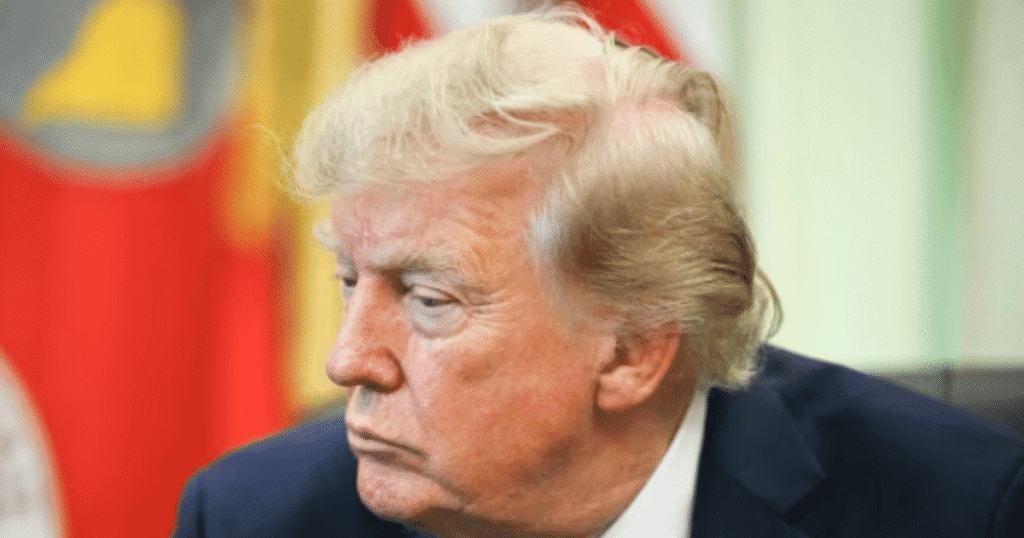
President Donald Trump has canceled the Pentagon’s controversial plan to livestream Nidal Malik Hasan’s scheduled execution. The decision follows criticism from lawmakers, religious leaders and other public figures across political lines. The execution remains scheduled for December 3, 2026, at Fort Hood, Texas.
The reversal places military justice, capital punishment and government transparency at the center of renewed national debate. Trump initially supported broadcasting the execution as a possible deterrent against terrorism. However, he later acknowledged concerns about forcing audiences to witness a person’s death online.
The decision also marks a significant change in the Pentagon’s public execution plans. Defense Secretary Pete Hegseth had previously announced that the military would make the event available for public viewing.
Trump Reverses Pentagon Plan Following Widespread Criticism
Trump announced the reversal on October 15, explaining that the execution would proceed without a livestream. His statement acknowledged that some Americans opposed watching the event through digital broadcasts or other visual channels.
The president maintained his support for carrying out Hasan’s sentence by firing squad. However, he abandoned the proposed broadcast after mounting criticism raised questions about its purpose and consequences.
The original announcement attracted attention because livestreaming a military execution would represent an extraordinary departure from established American practice. Critics questioned whether broadcasting the death would serve justice or turn punishment into a public spectacle.
The controversy quickly expanded beyond Washington’s political circles. Religious leaders, lawmakers and commentators raised concerns about human dignity, national reputation and the potential misuse of violent imagery.
Who Is Nidal Malik Hasan?
The 2009 Fort Hood Shooting
Nidal Malik Hasan, a former U.S. Army psychiatrist, carried out a deadly shooting at Fort Hood in Texas on November 5, 2009. The attack killed 13 people and injured 32 others, making it one of the deadliest shootings on a U.S. military installation.
Hasan faced a military trial after investigators linked him to the attack. A military jury convicted him in 2013 and sentenced him to death.
His scheduled execution has remained a significant military justice issue for years. The latest controversy has renewed attention to the sentence and the procedures governing military capital punishment.
Why the Execution Remains Scheduled
Trump’s decision concerns the broadcast rather than the execution itself. Officials have maintained the December 3 date, although legal proceedings could still affect the schedule.
The case involves a rare form of punishment within the U.S. military justice system. The military last executed a service member in 1961, while its previous firing squad execution occurred during World War II.
These historical circumstances help explain the intense attention surrounding the planned execution. The proposed livestream raised additional questions because it would expose a rarely witnessed government procedure to a potentially vast audience.
Why Did the Pentagon Want to Livestream the Execution?
Defense Secretary Pete Hegseth previously argued that public access would demonstrate the serious consequences of violent attacks. Supporters of the proposal viewed visibility as a possible deterrent against future acts of terrorism.
Their argument centers on the idea that witnessing punishment could discourage potential attackers. However, whether broadcasting an execution would actually reduce violence remains uncertain.
Critics challenged that reasoning on ethical, security and practical grounds. They warned that extremist groups could exploit execution footage for propaganda or recruitment efforts.
Others questioned whether a government-sponsored broadcast would undermine the dignity of the proceedings. They argued that public accountability does not necessarily require broadcasting the moment a person dies.
The disagreement illustrates a broader tension between transparency and restraint. Governments must explain consequential decisions while considering the potential harm that publicizing violent events could create.
Bipartisan Backlash Puts the Livestream Under Pressure
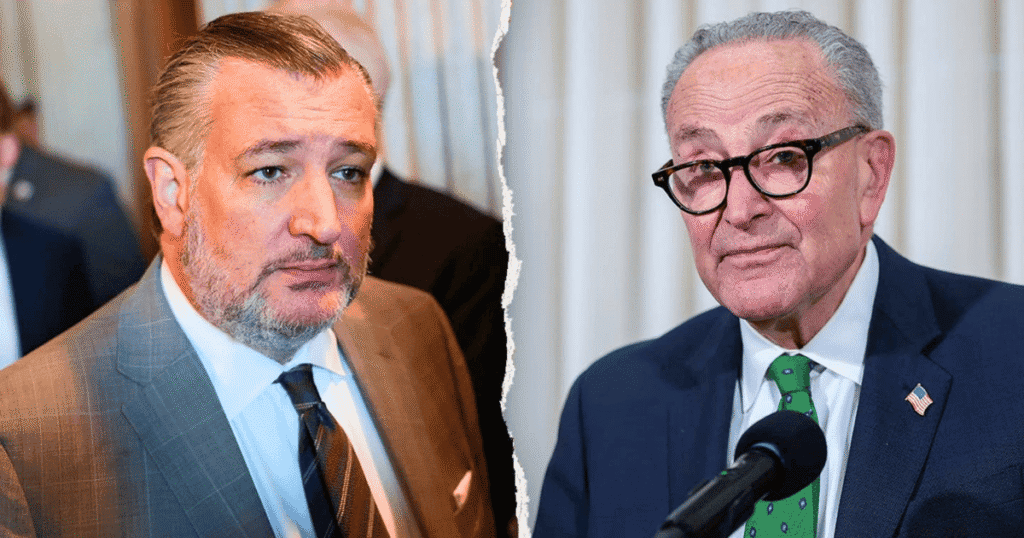
Opposition came from both Republicans and Democrats, complicating efforts to defend the original proposal. Several critics supported Hasan’s execution while questioning whether authorities should broadcast it publicly.
Vice President JD Vance also expressed reservations about watching the event. His comments highlighted the distinction between supporting a legal sentence and endorsing its public transmission.
Religious leaders raised separate concerns about human dignity and the morality of capital punishment. Some opposed the death penalty itself, while others focused specifically on the proposed broadcast.
International observers also questioned the implications for America’s reputation. They warned that images of a televised execution could weaken the country’s criticism of public executions elsewhere.
The debate therefore involved several distinct issues rather than one simple disagreement. Support for the sentence did not automatically translate into support for livestreaming the punishment.
What Happens to Hasan’s Execution Now?
Victims’ Families May Attend in Person
Trump stated that immediate family members of Hasan’s victims could witness the execution in person if they choose. This option preserves access for those directly affected by the 2009 attack without broadcasting the event worldwide.
The distinction between private attendance and public livestreaming remains central to the revised plan. Families may have different preferences regarding witnessing the proceedings, and authorities have not required them to attend.
For many observers, this approach separates personal access from mass distribution. It also reduces the risk that graphic footage could circulate widely across social media platforms.
Legal Challenges Could Still Affect the Schedule
The announced date does not guarantee that the execution will occur as planned. Hasan could pursue legal remedies that might delay the proceedings, depending on applicable military and federal law.
Execution procedures also require authorities to follow relevant legal safeguards. Questions about representation, notification and access to counsel have added scrutiny to the case.
Any further developments will depend on official decisions and potential court proceedings. The cancellation of the livestream does not resolve every legal question surrounding the execution.
What the Decision Means for Military Justice
The reversal highlights the difficulty of balancing public accountability with ethical limits on government communication. An execution involves state authority, criminal punishment and fundamental questions about human dignity.
Supporters of greater transparency argue that citizens should understand how governments carry out the death penalty. Direct access, they contend, could encourage informed discussion about a punishment conducted in the public’s name.
Opponents counter that broadcasting the event could transform a legal procedure into entertainment. They also warn that widely circulated footage might harm victims’ relatives or provide propaganda material for extremist organizations.
Neither argument establishes that livestreaming would prevent future attacks. Assessing deterrence requires evidence, and the emotional impact of a broadcast cannot alone demonstrate its effectiveness.
The controversy also raises questions about how digital platforms should handle violent government content. Even when officials authorize a broadcast, distribution policies and audience protections may influence its reach.
The Bigger Debate Over Capital Punishment in America
Hasan’s case has renewed scrutiny of capital punishment within the U.S. military. The planned firing squad execution also arrives amid wider questions about execution methods, legal safeguards and government responsibility.
Supporters of capital punishment often emphasize accountability and punishment for exceptionally serious crimes. Opponents argue that the state should not take human life, regardless of the offense or circumstances.
Debates over execution methods add another layer of complexity. Officials must consider legal requirements, operational procedures and the treatment of individuals facing death sentences.
The livestream dispute introduces a separate question about public visibility. A government can carry out an execution under established procedures without necessarily making the event available for unrestricted viewing.
Trump’s decision leaves that distinction firmly in focus. The execution remains scheduled, but the administration has withdrawn its plan to broadcast the event live.
Conclusion: Execution Plan Continues Without a Livestream
Trump’s reversal ends the immediate dispute over livestreaming Hasan’s scheduled execution, but broader questions remain unresolved. Military justice, public transparency and the ethics of capital punishment continue to divide officials and observers.
The December 3 execution remains scheduled, subject to potential legal developments. Immediate family members of the victims may attend in person, while the public will not receive the planned livestream.
Ultimately, the controversy demonstrates how digital broadcasting can change debates about punishment and government accountability. The central issue now extends beyond one execution to how democratic institutions communicate justice without turning violence into spectacle.