Growing U.S. opposition to Israel is putting pressure on a security alliance built around intelligence, missile defense and military cooperation.
WASHINGTON — The U.S.-Israel alliance is facing an increasingly complicated political test as criticism of Israel grows among American voters, raising questions about the future of one of Washington’s most important Middle East security partnerships.
Support for Israel has long been defended not only as a diplomatic commitment but also as a strategic investment in American national security. The relationship includes intelligence cooperation, missile defense, military technology and joint efforts against regional threats.
But that argument is facing a stronger challenge in 2026.
Recent polling shows that American views of Israel have deteriorated significantly. Pew Research Center reported in April that negative views of Israel had continued to rise, particularly among younger Americans.
The shift has also reached Washington, where lawmakers and advocacy groups are debating how deeply the United States should integrate its defense capabilities with Israel.
Israel remains a major US security partner
The U.S.-Israel relationship extends well beyond traditional military aid.
The State Department has described cooperation with Israel as including counterterrorism, missile defense and nonproliferation efforts. The two countries have also developed extensive military and technological partnerships over decades.
Supporters of the alliance argue that Israel provides the United States with a highly capable regional partner that can gather intelligence, test defensive technologies in real-world conditions and help counter threats from Iran and militant organizations.
The Pentagon’s 2026 National Defense Strategy also highlighted the importance of U.S. support for Israel’s defense during the 12-Day War, underscoring the operational relationship between the two militaries.
For advocates of maintaining close ties, weakening that partnership could therefore have consequences beyond Israel itself.
Missile defense is at the center of the debate
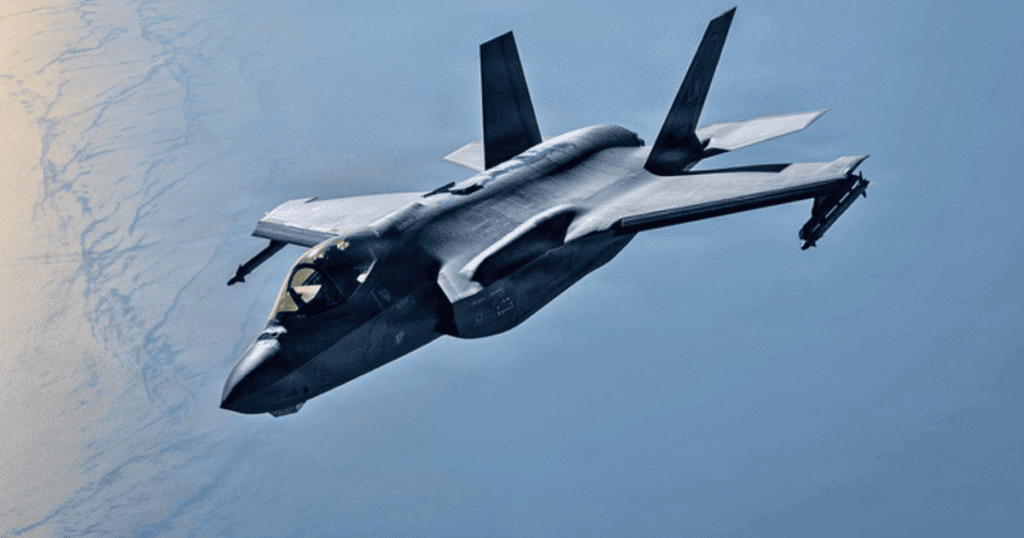
One of the most visible areas of cooperation is missile defense.
Israel’s experience defending against rockets, drones and ballistic missiles has made its technologies and battlefield experience valuable to American defense planners.
The United States has also worked with Israel on missile-defense programs for years, while American defense officials have cited Israeli systems such as Iron Dome as an example of technologies relevant to future U.S. defenses.
That cooperation has become even more significant as missile and drone threats expand across the Middle East.
Supporters of deeper cooperation argue that the United States can benefit from technologies developed through Israel’s experience while also strengthening the ability of both countries to confront common threats.
A proposed U.S.-Israel Defense Technology Cooperation Initiative would expand cooperation in areas including missile defense, counter-drone systems, artificial intelligence and cybersecurity.
Political backlash is putting pressure on the alliance
The challenge is that American public opinion is moving in a direction that could make such cooperation politically harder to sustain.
Pew’s April survey found increasingly unfavorable attitudes toward Israel, with particularly strong negative movement among younger Americans.
That shift has coincided with growing criticism of Israel’s conduct in Gaza and the West Bank.
In Congress, some lawmakers and advocacy organizations are now questioning whether deeper military integration serves U.S. interests.
Reuters reported this month that dozens of civil rights and advocacy groups urged Congress to remove a provision from the 2027 National Defense Authorization Act that would expand U.S.-Israel defense technology cooperation. Critics argued that the proposed integration could create risks for American defense policy and technology.
The debate illustrates the central problem facing supporters of the alliance: arguments based on strategic interests increasingly compete with concerns about Israel’s policies and the humanitarian consequences of its military campaign.
Critics and supporters see the relationship differently
Critics of U.S. support for Israel argue that Washington should place greater conditions on military assistance and avoid becoming too closely tied to decisions made by the Israeli government.
Supporters counter that separating criticism of Israeli policy from the broader security partnership is possible and necessary.
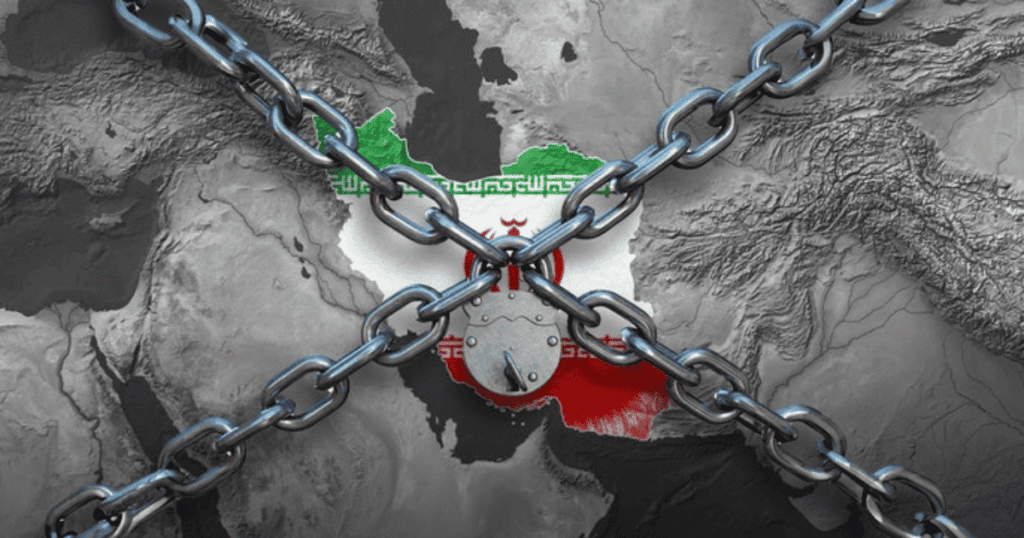
That distinction is particularly important when dealing with threats from Iran and other regional actors.
The United States and Israel do not have identical interests, but both face security challenges involving Iranian missiles, drones, proxy groups and terrorism.
The Trump administration’s broader Middle East strategy is also expected to continue relying on cooperation with Israel. Axios reported that U.S. officials are developing a postwar regional strategy focused on containing Iran and pursuing normalization between Israel and neighboring countries.
The alliance could face a defining political test
The debate is unlikely to disappear.
Israel’s upcoming election, America’s 2026 midterms and continued fighting in the Middle East could all influence the future of the relationship.
Pro-Israel groups are already treating the midterm elections as an important test for continued U.S. support, while critics are increasingly challenging what they see as Washington’s longstanding willingness to back Israel without sufficient conditions.
That creates a difficult balancing act for American policymakers.
The United States can maintain a strategic relationship with Israel while demanding accountability from its ally. But if public opposition continues to grow, defending the alliance solely on the basis of tradition will become increasingly difficult.
The central argument from alliance supporters is that America’s relationship with Israel is not simply about supporting another country. It is about intelligence, missile defense, technology and confronting threats that can also endanger American forces and interests.
Whether that argument remains persuasive to a changing American electorate may determine how the partnership evolves in the years ahead.
For now, the U.S.-Israel alliance remains deeply embedded in America’s Middle East security strategy.
But the political foundation beneath it is facing a level of public scrutiny that could reshape the relationship long before the military partnership itself disappears.
Also read: Iran Missiles Miss US Warships as Tankers Are Destroyed