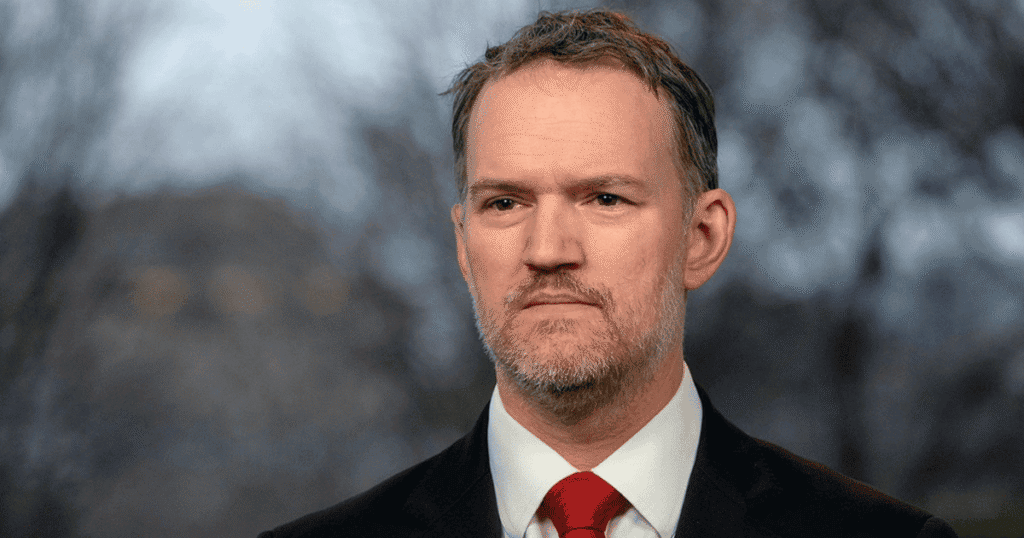

Bruce Blakeman blasts Kathy Hochul as Zohran Mamdani’s “puppet,” escalating New York’s heated political battle over socialism, leadership and the governor’s campaign.
New York’s political battle intensified after Republican Bruce Blakeman attacked Governor Kathy Hochul over her relationship with Zohran Mamdani. Blakeman portrayed Hochul as a leader influenced by Mamdani’s progressive politics, sharpening divisions ahead of a consequential election campaign.
His pointed remarks reflect growing tensions over socialism, public safety, affordability and the future direction of New York. The confrontation also highlights Republicans’ efforts to challenge Democratic leadership by questioning Hochul’s political alliances and policy priorities.
Blakeman Targets Hochul Over Mamdani’s Influence
Blakeman used sharp rhetoric to criticize Hochul and suggest that Mamdani holds excessive influence over her political decisions. His comments sought to frame the governor’s relationship with the progressive politician as a potential liability among moderate voters.
The Republican’s attack adds another dimension to New York’s increasingly contentious political debate. Questions about leadership, ideological differences and government priorities continue to shape discussions surrounding the state’s political future.
Why the ‘Puppet’ Remark Matters
The word “puppet” carries a pointed political message because it questions a leader’s independence and decision-making authority. Blakeman’s accusation attempts to cast Hochul as following Mamdani’s agenda rather than pursuing an independent governing strategy.
However, the characterization represents Blakeman’s political criticism, not an established fact about Hochul’s decision-making. Voters will ultimately judge the governor’s record, policy positions and relationships with other Democratic leaders.
Who Are Bruce Blakeman, Kathy Hochul and Zohran Mamdani?
Bruce Blakeman serves as Nassau County executive and has emerged as a prominent Republican voice in New York politics. His criticism of Democratic leaders reflects the wider Republican effort to challenge progressive policies and appeal to voters concerned about the state’s direction.
Kathy Hochul, New York’s Democratic governor, faces competing expectations from moderate voters and progressive members of her party. Her political decisions can influence debates over taxation, public safety, housing and the state’s economic priorities.
Zohran Mamdani, a democratic socialist and prominent progressive politician, has helped bring debates about affordability and government intervention into sharper focus. His policy positions have attracted support from voters seeking substantial economic changes while drawing criticism from political opponents.
Socialism Becomes a Major Political Flashpoint
Socialism has become a central point of disagreement in New York’s political debate, particularly over housing costs, taxation and government spending. Republicans frequently argue that progressive economic policies could discourage investment, increase financial pressures and weaken business confidence.
Mamdani and other progressives emphasize affordability, economic inequality and stronger public services when defending their policy priorities. These competing arguments reflect a broader national debate about how governments should address rising living costs and economic insecurity.
Affordability and Public Safety Shape the Debate
Housing affordability remains a pressing concern for many New Yorkers facing expensive rents and everyday household bills. Candidates who offer credible solutions could strengthen their appeal among residents seeking meaningful economic relief.
Public safety also remains a significant political issue, with voters weighing crime prevention, policing and neighborhood security. Republicans may use these concerns to challenge Democratic leadership, while Democrats must explain how their policies protect residents and improve public services.
How the Political Clash Could Affect New York Elections
Blakeman’s criticism highlights the challenges Democrats face when balancing progressive demands with the preferences of moderate voters. Hochul must navigate those competing interests while defending her leadership and communicating her administration’s priorities.
Republicans, meanwhile, hope disagreements within the Democratic coalition will create opportunities to attract independent voters and dissatisfied constituents. Their success will depend on candidates’ credibility, campaign organization and their ability to address local concerns.
Political rhetoric can attract attention and energize supporters, but election outcomes depend on more than memorable insults. Voters will also consider candidates’ records, proposed policies, economic conditions and their confidence in each party’s leadership.
What Happens Next in New York’s Political Battle?
The confrontation between Blakeman, Hochul and Mamdani underscores the ideological divisions shaping New York politics. Their competing visions raise important questions about affordability, public safety, economic growth and the role of government.
As campaigning continues, voters will assess whether Democratic leaders can reconcile their party’s different priorities and whether Republicans can turn criticism into broader electoral support. The debate over Mamdani’s influence could remain politically significant as candidates seek to define New York’s future.
Ultimately, Blakeman’s “puppet” accusation represents a forceful campaign attack rather than a settled conclusion about Hochul’s leadership. The political consequences will depend on how voters respond to the competing messages and which issues dominate the election campaign.
Also read: Trump vs Democrats: Key States That Could Change the Midterms