Iran’s attacks on US Navy warships failed as CENTCOM destroyed five Iranian tankers, escalating tensions across the Strait of Hormuz.
WASHINGTON — Iran’s latest attempts to strike U.S. Navy warships have failed, according to U.S. Central Command, which responded by destroying five Iranian crude oil tankers in a dramatic escalation of the conflict in and around the Strait of Hormuz.
The latest confrontation came after the Islamic Revolutionary Guard Corps launched ballistic missiles toward an American warship twice over a two-day period. CENTCOM said the U.S. vessel successfully evaded the attacks and that no American personnel were injured.
The U.S. military then targeted five Iranian oil carriers, with American forces ordering their crews to abandon the vessels before the strikes.
The confrontation marks another major escalation in the ongoing U.S.-Iran conflict, with the strategically important Strait of Hormuz increasingly becoming a flashpoint for attacks on military and commercial shipping.
Iran’s attacks on US Navy fail
According to CENTCOM, the Iranian Revolutionary Guard Corps attempted to attack a U.S. Navy warship with ballistic missiles twice.
The American vessel successfully avoided both attacks and continued its patrol in regional waters.
The latest incident follows an earlier confrontation on Sept. 5, when Iran launched ballistic missiles toward two U.S. Navy warships, including an aircraft carrier and a guided-missile destroyer.
CENTCOM said those attacks also failed, with no American personnel harmed.
The U.S. military has characterized the repeated attacks as attempts by Iran to threaten American forces operating in the region.
US destroys five Iranian tankers
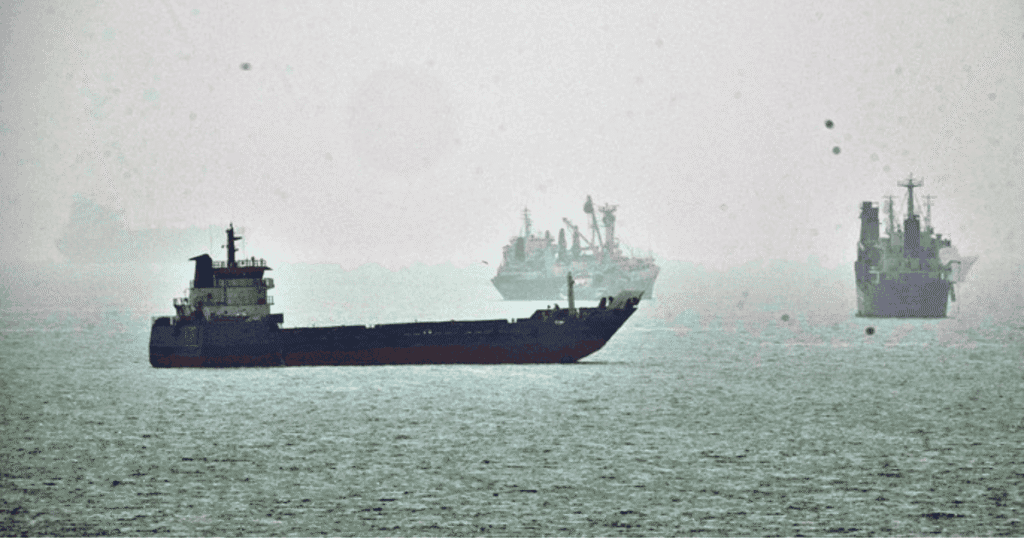
Following the latest Iranian missile attacks, CENTCOM said U.S. forces destroyed five Iranian crude oil carriers.
The vessels included the M/T Kaviz, M/T Charminar, M/T Horizon 1 and M/T Riesco, which were located in the Gulf of Oman, as well as the M/T Derya near Iran’s Kharg Island.
American forces directed the crews to abandon the ships before the vessels were struck and rendered inoperable, according to CENTCOM.
The U.S. military said the tankers were connected to what it described as a multimillionaire shadow network used to finance Iran’s Revolutionary Guard and its regional proxies.
The latest strikes came just days after CENTCOM destroyed or disabled three additional Iranian crude oil carriers following the Sept. 5 attacks on U.S. warships.
That brings the number of Iranian oil carriers targeted in the two U.S. responses to eight, according to CENTCOM’s public statements.
Iran claims attacks on ships
Iran has responded with its own claims of attacks against vessels in the Gulf.
Iranian state media reported that the Revolutionary Guard had targeted American ships and multiple oil tankers in retaliation for the U.S. strikes. U.S. Central Command, however, said its warships were not damaged.
The conflicting claims underscore the rapidly developing nature of the maritime confrontation.
The Strait of Hormuz is particularly important because it is one of the world’s most critical energy corridors. Any sustained disruption to shipping through the waterway could have consequences far beyond the Middle East.
Reuters reported Wednesday that shipping traffic through the strait had fallen sharply, with only six commodity vessels passing through on Tuesday, compared with a 10-day average of 12.
Oil prices surge as tensions rise
The latest military exchanges have already rattled global energy markets.
Brent crude climbed above $100 a barrel on Wednesday for the first time since July as investors reacted to the growing threat to oil shipments through the region.
The Strait of Hormuz normally handles a substantial share of global oil and liquefied natural gas shipments, making any prolonged disruption a potential threat to energy supplies and consumer prices worldwide.
The decline in maritime traffic is therefore being closely watched by governments, energy companies and financial markets.
US-Iran conflict enters dangerous phase
The latest strikes represent a significant escalation in the confrontation between Washington and Tehran.
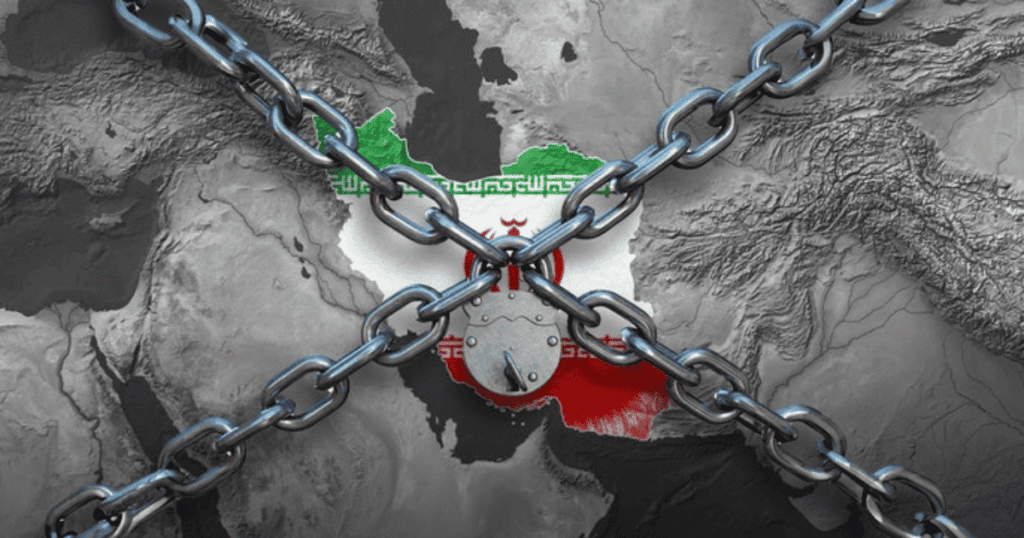
The United States has increasingly focused on Iranian oil shipping as part of its effort to pressure the Revolutionary Guard and restrict financial resources available to Iran’s military and allied groups.
At the same time, Iran has demonstrated a willingness to directly target U.S. military assets in the region.
CENTCOM’s public statements indicate that all of the recent Iranian attacks on U.S. Navy warships have failed, while American forces have responded by striking Iranian oil carriers.
That pattern has created a dangerous cycle of attack and retaliation.
With military forces operating around the Strait of Hormuz and commercial shipping already declining, the consequences could extend well beyond the immediate battlefield.
For now, the U.S. says its warships remain operational and no American personnel were injured in the latest Iranian attacks.
But with Iran continuing to threaten ships and the U.S. targeting Iranian oil carriers, the confrontation around the world’s critical energy chokepoint appears far from over.