Iran-backed Houthis seized Yemen’s strategic Mokha port, raising fears of wider attacks on shipping and global energy supplies through the Red Sea.
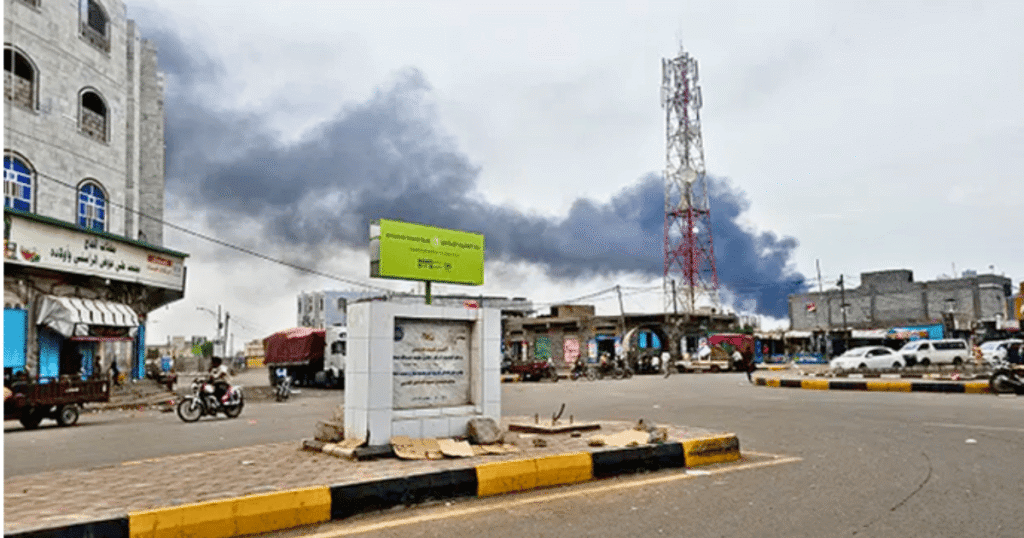
SANAA, Yemen — Iran-backed Houthi militants have seized control of the strategic Yemeni port city of Mokha, raising fresh fears that the group could disrupt one of the world’s most important shipping corridors and deepen an already severe global energy crisis.
The takeover puts the Houthis closer to the Bab el-Mandeb Strait, a narrow maritime chokepoint connecting the Red Sea with the Gulf of Aden and a major route for commercial vessels traveling between Asia and Europe.
The development comes as shipping through the Strait of Hormuz remains severely disrupted amid the escalating U.S.-Iran conflict, creating the possibility of simultaneous pressure on two critical maritime routes.
Houthis take control of Mokha
The Houthis’ capture of Mokha represents their most significant territorial gain since a 2022 truce helped reduce the intensity of Yemen’s civil war, according to The Associated Press.
Houthi and Yemeni officials confirmed the takeover, while local reports described a heavy militant presence in the city, road closures and residents fleeing the area. Yemeni government forces subsequently launched strikes against Houthi positions in Taiz province.
Mokha sits on Yemen’s western coast near the Bab el-Mandeb, giving the Iran-aligned group a potentially important position from which to threaten maritime traffic.
The Houthis already control the major Red Sea port of Hodeidah and have been expanding their military activity along Yemen’s western coastline.
Bab el-Mandeb becomes the next flashpoint
The Bab el-Mandeb is one of the world’s most important maritime chokepoints.
The waterway is used by vessels traveling between the Indian Ocean, the Red Sea and the Suez Canal. Reuters estimates that roughly 7% of global oil production passes through the strait, making any sustained disruption potentially significant for energy markets.
The Houthis’ growing presence near the waterway has therefore raised concerns that commercial vessels could face new attacks, higher insurance costs and longer shipping routes.
During previous Houthi attacks on Red Sea shipping, major shipping companies diverted vessels around Africa’s Cape of Good Hope, adding substantial time and expense to journeys.
A second shipping chokepoint is already under pressure
The timing of the Mokha takeover is particularly concerning because the Strait of Hormuz is already experiencing major disruption.
The Strait of Hormuz is a crucial route for Middle Eastern oil and gas exports, while the Bab el-Mandeb provides an important alternative route for shipments traveling between the Middle East, Asia and Europe.
With maritime traffic through Hormuz significantly reduced amid the U.S.-Iran conflict, the loss of confidence in the Bab el-Mandeb could leave international shipping with fewer viable routes through the region.
That possibility has contributed to a sharp rise in oil prices.
Brent crude climbed above $100 a barrel as traders reacted to mounting concerns over supply disruptions across the region.
Houthis intensify pressure on Saudi Arabia
The Houthi advance also comes as the militants intensify attacks against Saudi Arabia.
The group has targeted Saudi territory and energy-related infrastructure while threatening maritime traffic along the Red Sea.
Saudi forces have responded with airstrikes against Houthi positions, adding another layer to a conflict that could increasingly draw regional powers into direct confrontation.
Saudi Arabia relies heavily on secure maritime routes for its energy exports, making the Houthi campaign an especially serious threat to the kingdom.
The Wall Street Journal reported that Saudi oil production fell sharply in August as disruptions linked to the conflict affected western export routes.
Iran’s role raises wider concerns
The Houthis are closely aligned with Iran and are widely regarded as part of Tehran’s broader regional network of allied militant groups.
Iran has denied directly controlling the Houthis, while the group’s growing military reach has nevertheless raised concerns about Tehran’s ability to exert pressure on regional shipping without directly deploying its own forces.
The strategic geography is particularly significant.
Iran is already positioned near the Strait of Hormuz, while the Houthis now have greater access to territory near Bab el-Mandeb. That creates the possibility of pressure being applied at both ends of critical maritime routes connecting Middle Eastern energy producers with global markets.
Global shipping faces another major test
The threat extends beyond oil tankers.
Container ships, cargo vessels and other commercial traffic could face higher insurance premiums, security risks and lengthy detours if attacks increase around Bab el-Mandeb.
The previous Red Sea shipping crisis demonstrated how quickly relatively localized attacks can have worldwide economic consequences.
Companies were forced to reroute vessels around Africa, increasing fuel consumption, transit times and freight costs.
A renewed crisis could be even more damaging if the disruption around Bab el-Mandeb occurs while Hormuz remains effectively closed or heavily restricted.
What happens next?
The immediate question is whether the Houthi seizure of Mokha becomes a broader campaign to establish control over Yemen’s Red Sea coastline and threaten the Bab el-Mandeb directly.
Reuters reported that the Houthis have also advanced toward the strategic Hanish Islands and other positions that could increase their ability to influence traffic through the strait.
Yemeni government forces and Saudi Arabia face pressure to prevent further Houthi advances, while outside powers must weigh how aggressively to respond without widening the regional conflict.
For global markets, the concern is straightforward: another major shipping chokepoint could be moving toward the center of the war.
With Hormuz already under severe pressure, the Houthi capture of Mokha has raised the possibility that the world’s shipping and energy networks could face a crisis on two fronts.
Also read: Zoe Saldaña reveals brutal ‘Lioness’ scene