Donald Trump warns Iran at the UN General Assembly, weighing a nuclear deal against devastating military action as the conflict enters a critical phase.
Trump Issues Nuclear Ultimatum at UN General Assembly
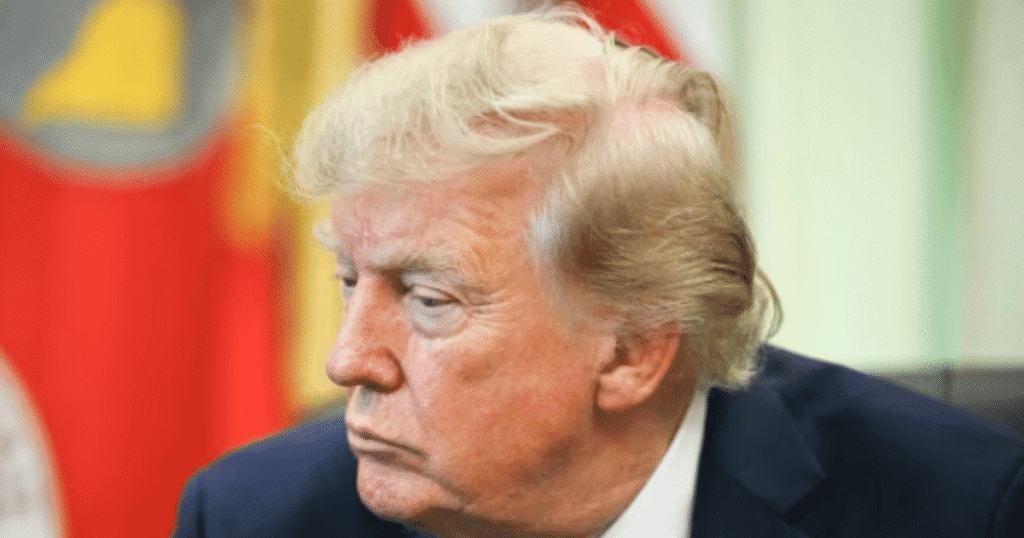
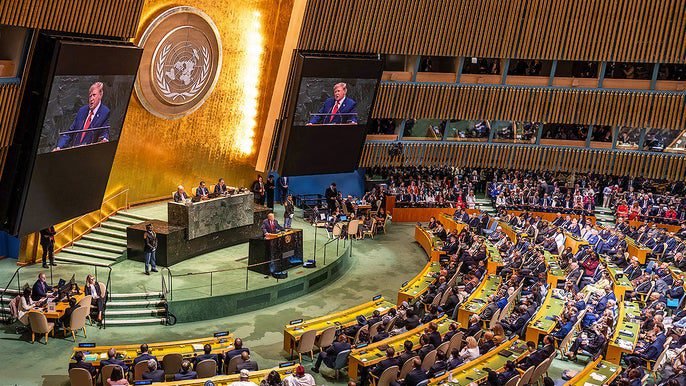
President Donald Trump delivered a stark warning to Iran during his address to the United Nations General Assembly on Tuesday, declaring that he faces a major decision over whether to pursue a diplomatic agreement or escalate military action against the Islamic Republic.
Speaking before world leaders in New York on September 22, Trump framed the ongoing conflict with Iran as a defining moment for U.S. foreign policy, warning Tehran that it must abandon its nuclear ambitions or face devastating consequences.
“I have a big decision to make,” Trump told the General Assembly, outlining two possible paths forward as the U.S.-Iran conflict enters its seventh month.
Trump Warns Iran of Devastating Consequences
Trump presented Iran with a stark choice, questioning whether a deal could allow the country to rebuild or whether the United States would pursue further military action.
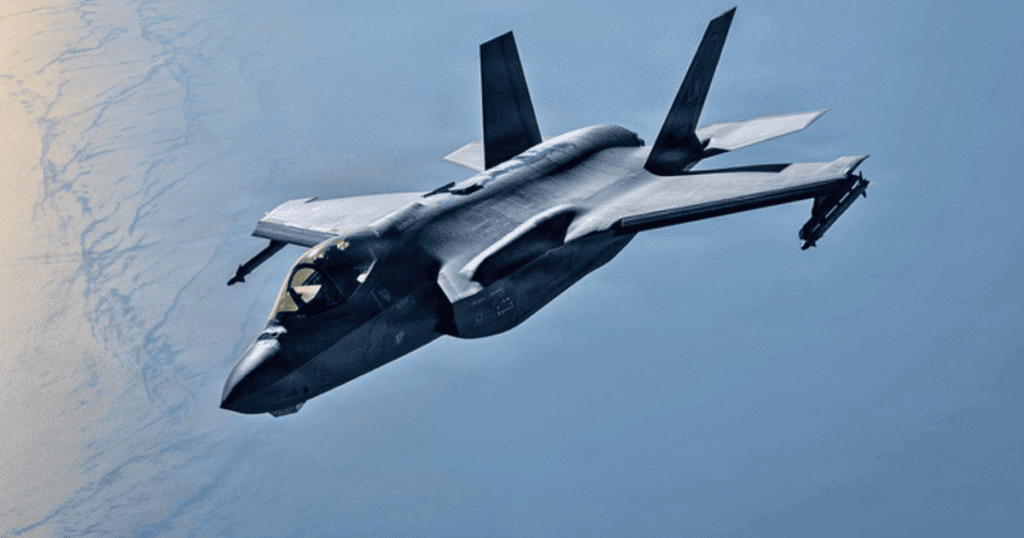
“Or do I annihilate the Islamic Republic and do it quickly,” Trump said, describing the potential consequences of failing to reach an agreement.
The president argued that his administration’s approach was aimed at preventing Iran from obtaining a nuclear weapon and stopping the country from threatening the United States and its allies.
Trump also expressed confidence that a deal could eventually be reached, predicting that negotiations would produce an agreement after the November midterm elections.
The president’s remarks underscored the uncertainty surrounding Washington’s next steps as diplomatic efforts and military pressure continue.
Trump Defends US Military Interventions
During his address, Trump defended his administration’s approach to international conflicts, portraying U.S. military interventions as necessary to confront threats that previous administrations had failed to resolve.
“While others have talked, I have acted,” Trump said, arguing that his approach had helped address longstanding international challenges.
The president also highlighted U.S. actions in Venezuela, emphasizing American security interests in the Western Hemisphere.
Trump said the United States would not allow threats to gain a foothold in the region and stressed that Washington would use its military power when necessary to protect its interests.
His comments reflected a broader defense of his administration’s foreign policy, which has combined military pressure, economic measures and diplomatic negotiations.
Iran Conflict Puts Nuclear Diplomacy in Focus
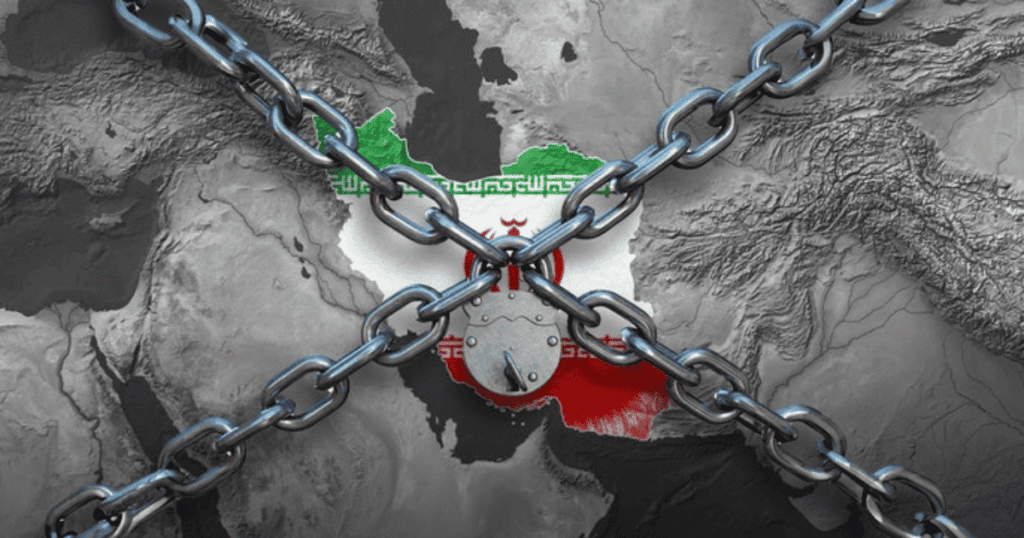
The speech came as the United States weighs its next steps in the conflict with Iran, which has created uncertainty across the Middle East and raised concerns about regional security.
Trump’s administration has maintained pressure on Tehran through military operations and economic measures while leaving open the possibility of a negotiated settlement.
The president’s warning at the United Nations placed the question of Iran’s nuclear ambitions at the center of his foreign policy message to world leaders.
Trump said he believes an agreement remains possible, even as he warned that the United States is prepared to take further action.
The president’s remarks did not establish a specific deadline for a deal or announce a final decision on whether military operations would intensify.
Trump Signals More Decisions Ahead
Trump’s General Assembly address offered a glimpse into the administration’s thinking as it confronts several international crises, including the Iran conflict, Russia’s war and efforts to secure a peace agreement in Gaza.
The president is also expected to meet with foreign leaders on the sidelines of the United Nations gathering, with discussions likely to focus on regional security and diplomatic efforts.
For now, Trump’s comments leave open the possibility of both further negotiations and additional military action against Iran.
His warning to Tehran signals that the administration’s next decision could have significant implications for U.S. foreign policy, Middle Eastern security and the future of the conflict.
Also read: GOP Warns AI Boom Could Hit Americans’ Wallets