Hillary Clinton says she regrets not confronting James Comey more forcefully in 2016, reigniting debate over the FBI’s election actions and her presidential defeat.
Hillary Clinton Revisits a Costly 2016 Election Decision
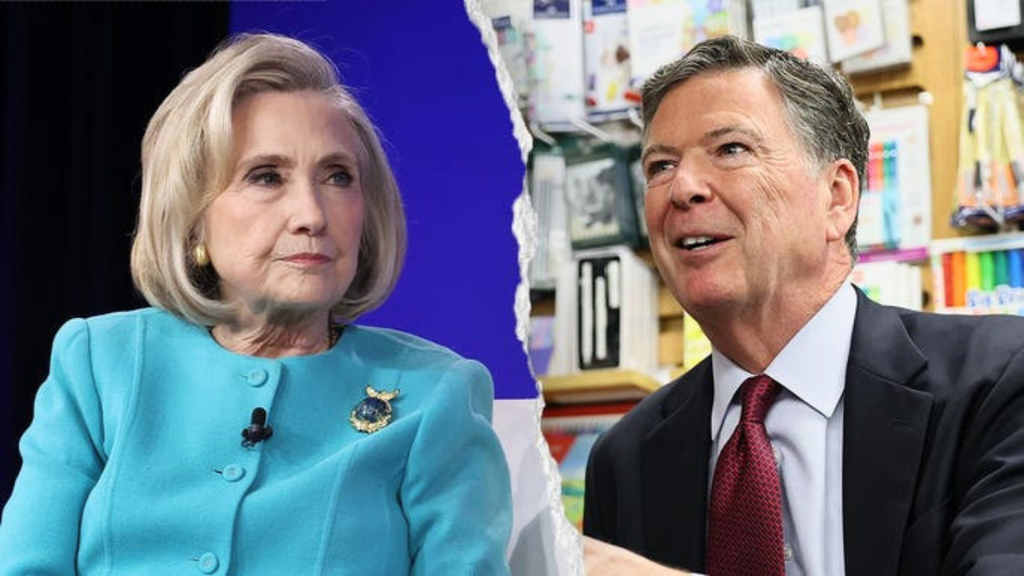
Hillary Clinton says she regrets not confronting former FBI Director James Comey more aggressively before the 2016 presidential election, reopening debate about her defeat.
During a recent podcast appearance, the former secretary of state criticized Comey’s handling of the investigation into her private email server.
Clinton argued that his decisions disrupted established Justice Department practices and damaged her campaign during a critical moment in the presidential race.
Her remarks arrive as Comey faces fresh legal scrutiny over allegations involving the disclosure of national defense information.
The renewed controversy has revived questions about the FBI’s election role, political accountability, and the lasting consequences of decisions made during 2016.
Why Clinton Says She Should Have Challenged Comey
Clinton told podcast host Kara Swisher that she wished someone had urged her to confront Comey directly before Election Day.
She argued that the FBI director crossed established boundaries by announcing developments involving the email investigation during the campaign.
According to Clinton, the announcement created damaging headlines and shifted public attention away from her campaign’s policy priorities.
The October Letter That Changed the Campaign
On October 28, 2016, Comey informed congressional leaders that the FBI would review newly discovered emails potentially connected to Clinton’s private server.
The announcement came just eleven days before voters chose between Clinton and Republican nominee Donald Trump.
Two days before Election Day, Comey informed Congress that the review had not changed the FBI’s earlier conclusion about criminal charges.
However, the timing intensified media coverage and placed Clinton’s email controversy back at the center of the presidential campaign.
Clinton has long argued that the announcement damaged her momentum when the election remained exceptionally competitive.
How the FBI Email Controversy Shaped the 2016 Election
The private email server investigation followed Clinton’s tenure as secretary of state under former President Barack Obama.
Federal investigators examined her use of a private server for official communications, including emails containing classified information.
In July 2016, Comey criticized Clinton’s handling of sensitive information but recommended against criminal charges.
His later announcement about newly discovered emails reignited criticism and forced Clinton’s campaign to address the controversy again.
Clinton Acknowledges Her Own Strategic Mistake
Clinton now believes her campaign should have challenged Comey’s actions more forcefully instead of allowing the controversy to dominate public discussion.
She acknowledged that avoiding a direct confrontation seemed preferable at the time, but hindsight changed her assessment.
Her latest comments suggest she views the decision as a significant strategic mistake during an already difficult election campaign.
Nevertheless, her remarks do not establish that confronting Comey would have changed the election result.
James Comey Faces Fresh Legal Scrutiny
Comey now faces separate federal allegations concerning the alleged unauthorized disclosure of national defense information.
Federal prosecutors filed a criminal information against the former FBI director in October 2026, according to recent reporting.
The allegations concern an alleged disclosure in 2016, while investigators continue examining the circumstances surrounding the case.
Comey has denied wrongdoing and criticized the Justice Department’s actions against him.
The current allegations remain separate from the FBI’s handling of Clinton’s email investigation during the presidential campaign.
Why the New Case Matters Politically
The legal proceedings have revived partisan arguments about federal law enforcement, political influence, and accountability within government institutions.
Republicans have repeatedly criticized Clinton’s handling of classified information, while Democrats have questioned Comey’s decisions during the election.
However, the current case must proceed through the legal system, where prosecutors must establish their allegations under applicable standards.
Political criticism alone cannot determine whether Comey committed a crime or whether his earlier decisions violated established rules.
Could Clinton’s Regrets Change the Political Debate?
Clinton’s latest comments have reopened a familiar argument about whether the FBI’s actions influenced the outcome of the 2016 election.
Her supporters have long maintained that Comey’s announcement unfairly damaged her campaign during its final days.
Critics counter that Clinton’s campaign strategy, messaging, and voter outreach also contributed to her defeat.
The election involved numerous factors, making it difficult to establish how much influence any single decision carried.
Ultimately, Clinton’s remarks offer a fresh perspective on her campaign’s response, but they cannot settle the debate over what determined the result.
As political scrutiny continues, the episode highlights how federal investigations and election decisions can shape public trust long after Election Day.
Also read: Obama-Era Omar Probe: New Evidence, Unanswered Questions