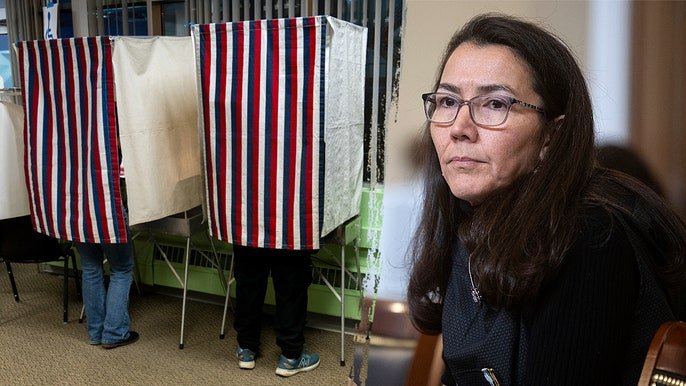
Alaska’s governor orders an election probe after claims of a Democratic-linked spoiler scheme raise urgent questions about voter confusion, campaign tactics and accountability.
Alaska Governor Launches Probe Into Alleged Senate Election Scheme
Alaska Governor Mike Dunleavy has ordered an investigation into an alleged election scheme involving candidates with similar names in the state’s closely watched Senate race.
The Republican governor announced the probe on October 29, 2026, following reporting that raised questions about efforts to recruit candidates who could confuse voters.
At the center of the controversy stands incumbent Republican Senator Dan Sullivan and independent candidate Daniel J. Sullivan Jr., a retired teacher.
Dunleavy directed Alaska’s Department of Public Safety to investigate potential violations of state election law and determine whether criminal charges or civil action might follow.
The allegations have intensified political tensions ahead of the 2026 midterm elections, placing campaign tactics and voter confidence under renewed scrutiny.
What Sparked Alaska’s Senate Election Investigation?
The controversy gained momentum after a published investigation alleged that Democratic-aligned operatives helped recruit candidates to influence the Senate race.
According to the report, people connected to Democratic nominee Mary Peltola’s campaign and national Democratic political circles allegedly discussed recruiting candidates who could draw votes away from Sullivan.
One candidate, Daniel J. Sullivan Jr., shares a name with the Republican incumbent, creating concerns about potential voter confusion.
Why the Two Dan Sullivans Matter
Alaska uses ranked-choice voting for its general election, allowing voters to rank candidates according to their preferences.
The ballot distinguishes the two candidates through identifying information, including party affiliation and incumbent status.
Nevertheless, critics argue that similar names could cause mistakes among voters who recognize the incumbent’s name but overlook other ballot details.
The allegations have prompted questions about whether anyone deliberately sought to exploit that possibility for political advantage.
Governor Dunleavy Demands Accountability
Dunleavy said the new reporting strengthened concerns previously examined by Alaska’s Division of Elections earlier this year.
He instructed state investigators to assess whether the alleged recruitment effort violated election laws and justified further legal action.
The governor emphasized that voters deserve confidence that their ballots accurately reflect their intentions.
However, the investigation must establish facts before authorities can determine whether any individual or organization committed a legal violation.
Previous Court Rulings Complicate the Dispute
Election officials previously challenged Daniel J. Sullivan Jr.’s candidacy over concerns about its legitimacy and possible voter confusion.
Alaska’s Supreme Court ultimately allowed him to remain on the ballot, rejecting the effort to disqualify his candidacy.
That ruling does not resolve the latest allegations concerning recruitment efforts or possible coordination between political operatives.
Investigators must examine those separate questions under applicable state law and any relevant evidence.
Mary Peltola’s Campaign Denies Involvement
Peltola’s campaign has denied recruiting candidates to interfere with either Sullivan’s candidacy or the broader Senate contest.
The Democratic Senatorial Campaign Committee has also denied involvement in recruiting Daniel J. Sullivan Jr. or other Republican candidates.
Meanwhile, the retired teacher has maintained that he entered the race independently and has disputed accusations that he serves as a spoiler candidate.
Those denials remain central to the dispute as investigators assess the competing accounts.
No public finding has established that Peltola personally directed an illegal effort to manipulate the election.
Federal Lawsuit Adds Another Election Battle
The state investigation follows a separate federal lawsuit concerning possible voter confusion involving the two Sullivan candidates.
The Justice Department has asked a federal court to prevent certification under circumstances where votes for Daniel J. Sullivan Jr. might change the outcome for the incumbent.
That legal action raises additional questions about election administration, ballot access and the standards governing certification.
Any decision will depend on the court’s assessment of the law and the evidence presented by the parties.
What Happens Next in Alaska’s Senate Race?
The investigation could determine whether state authorities pursue criminal charges, civil proceedings or no further action against the people involved.
Officials must evaluate the evidence carefully, particularly because campaign recruitment and political strategy do not automatically constitute illegal conduct.
For Alaska voters, the dispute highlights the importance of understanding ballot information and distinguishing candidates with similar names.
As the midterm election approaches, the outcome could shape public confidence in the Senate contest and intensify debate over election integrity.
Ultimately, investigators—not political accusations—must establish whether anyone broke the law and whether accountability is warranted.
Also read: State Department Faces $461M Embassy Lawsuit