State Department Faces $461M Embassy Lawsuit as a contractor says officials reversed a $370 million settlement tied to pandemic-era overseas construction costs.
State Department Faces $461M Embassy Lawsuit as a contractor challenges the reversal of a disputed settlement covering overseas diplomatic construction costs.
B.L. Harbert International filed a lawsuit seeking at least $461 million from the federal government over pandemic-related construction expenses. The company alleges State Department officials agreed to a $370 million settlement before political leadership intervened and abandoned the arrangement.
Why the Embassy Construction Lawsuit Matters
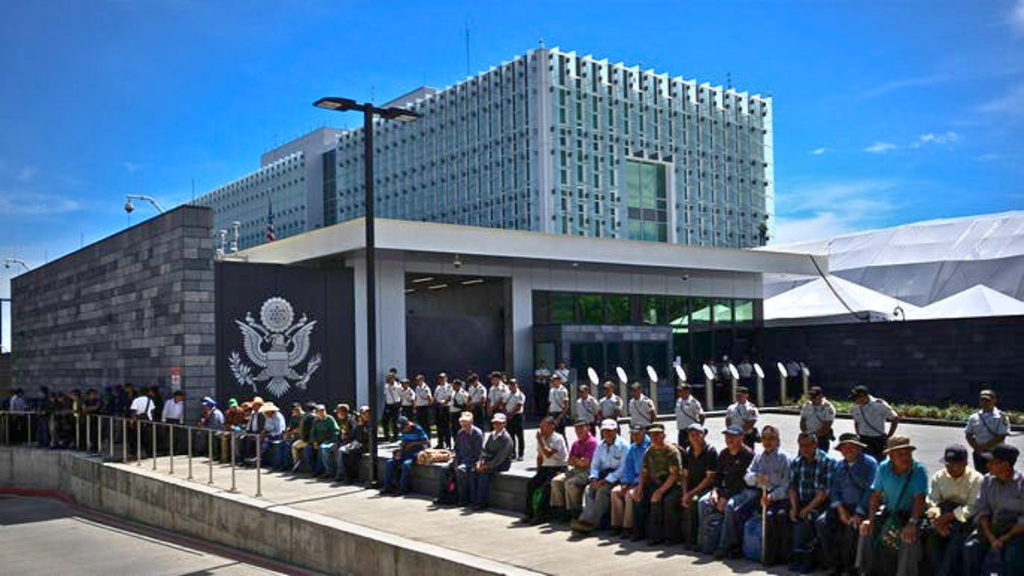
The dispute involves 12 diplomatic construction projects across four continents, including facilities in Turkey, Iraq, Thailand, Morocco, Mexico, and Central America.
Harbert says the government instructed its teams to continue working during COVID-19 disruptions, despite mounting labor, shipping, storage, and supply-chain expenses. According to the complaint, officials encouraged the contractor to document additional costs and submit reimbursement requests as construction challenges developed.
How the $370 Million Settlement Fell Apart
The contractor alleges career officials reached the settlement in September 2025 after reviewing claims connected to pandemic disruptions and other project disputes. However, Harbert says the government paid only $501,636 before abandoning the agreement following intervention from political leadership.
The company argues that it relied on government instructions while maintaining overseas projects during extraordinary operating conditions. Harbert’s president said the contractor wants the government to honor its commitments while protecting employees and supporting future diplomatic construction work.
What Triggered the $461 Million Federal Lawsuit?
Harbert submitted more than $500 million in claims involving pandemic-related expenses, design changes, and alleged government-caused delays across its construction projects. The company says officials encouraged formal certification of its claims in March 2026, which it believed would help implement the settlement.
However, contracting officers began denying the claims in July, according to the lawsuit. By October 13, the government had issued final decisions on all 13 certified claims now covered by the case.
Harbert filed its complaint in the U.S. Court of Federal Claims on October 28, seeking at least $461,097,380. The company also seeks interest and other relief, although its current lawsuit does not directly ask the court to enforce the alleged settlement.
The State Department Has Not Publicly Resolved the Dispute
The government’s position remains important because the contractor’s allegations have not been established as court findings. The State Department had been contacted for comment, but a response was not included in the available report.
The legal dispute could now require the government to defend its handling of the claims and explain the settlement’s reported reversal. Any eventual ruling will depend on the evidence, contractual obligations, and legal arguments presented during the proceedings.
Could the Embassy Lawsuit Affect Future Construction Projects?
The dispute raises broader questions about the federal government’s relationship with contractors building secure diplomatic facilities overseas. Harbert says only a small number of American companies can meet the demanding security, staffing, and logistical requirements involved.
The company has received roughly 60 U.S. embassy and consulate construction projects since 1999, according to its account. It warns that uncertainty over government payments could discourage qualified contractors from accepting future projects, potentially narrowing the government’s construction options.
Secure embassy construction requires specialized expertise, vetted workers, complex supply chains, and strict security procedures across international locations. If contractors lose confidence in payment commitments, future projects could face fewer competitive bids and additional operational challenges.
What Happens Next in the State Department Case?
The lawsuit will test Harbert’s claims concerning reimbursement, contract administration, and the government’s handling of its pandemic-era construction costs. The court will assess the submitted evidence and applicable agreements before deciding which claims, if any, justify compensation.
For now, the $461 million demand places renewed attention on a dispute spanning three presidential administrations and years of overseas construction work. The case could also influence how contractors assess financial risks when undertaking major U.S. diplomatic projects during future international emergencies.