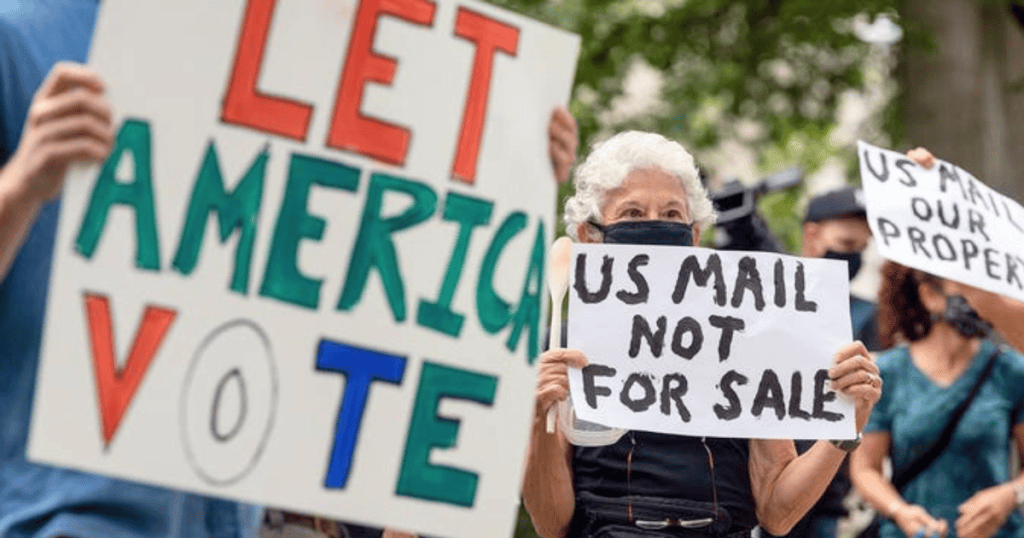
The Supreme Court rejected Trump’s bid to enforce new mail-ballot rules before the 2026 midterms, leaving existing voting procedures in place.
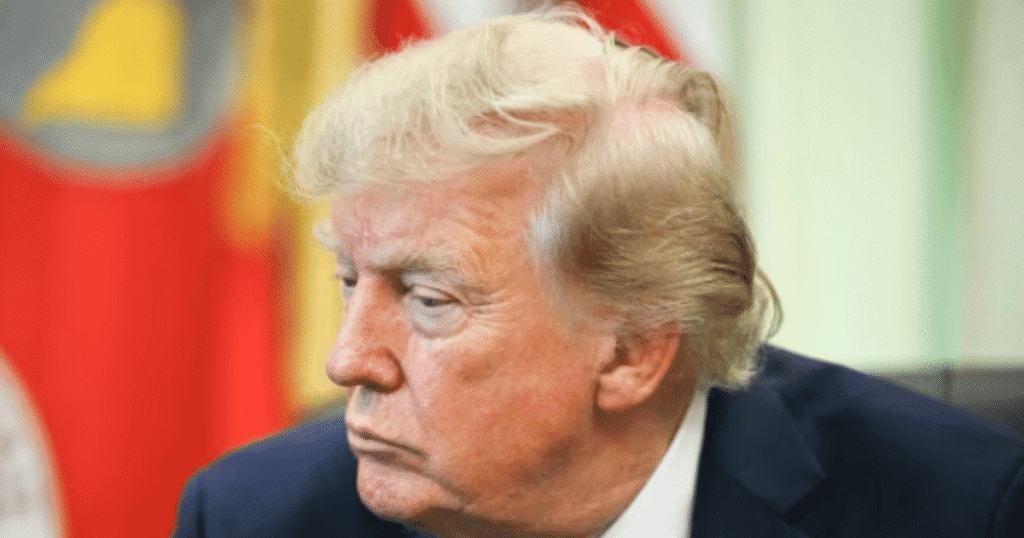
The U.S. Supreme Court has rejected the Trump administration’s attempt to revive new restrictions on mail-in ballots before the 2026 midterm elections, leaving a lower-court block on the rules in place.
The decision is a setback for President Donald Trump’s effort to impose tighter requirements on mail voting through the U.S. Postal Service. The administration had asked the high court to intervene and allow the new rules to take effect as states prepare for November’s elections.
Supreme Court keeps mail-ballot restrictions blocked
The Supreme Court’s action means the Postal Service cannot enforce the disputed requirements before the midterms while the legal battle continues.
The rules were developed following an executive order signed by Trump earlier this year. Among other requirements, the Postal Service sought standardized envelope designs and information from states about voters receiving mail ballots.
The administration argued that the requirements were necessary to strengthen election security and protect the integrity of federal elections.
Opponents argued the changes could create confusion for election officials and voters, particularly because the rules were being introduced shortly before ballots were scheduled to be mailed.
What Trump’s mail-ballot rules would have changed
The Postal Service’s proposed system would have required states and local election offices to meet new requirements for federal mail ballots.
Those requirements included specific envelope designs and barcodes, along with the submission of voter information through a federal online portal.
Under the rule, mail-ballot envelopes that did not comply could potentially be rejected and returned to election officials rather than delivered as expected.
Election officials and voting-rights groups warned that implementing the system so close to Election Day could create logistical problems.
The Trump administration, however, maintained that the requirements were limited and focused on regulating mail delivery rather than taking control of state-run elections.
Lower courts had blocked the rules
The Supreme Court’s latest action follows a series of rulings in federal courts.
U.S. District Judge Indira Talwani had blocked enforcement of the Postal Service requirements, citing concerns surrounding their implementation and legal authority. The administration appealed the decision as the midterms approached.
A separate federal judge also issued an injunction blocking Trump’s mail-ballot order, adding another legal obstacle to the administration’s effort to change election procedures before November.
The legal fight has unfolded alongside a separate Supreme Court case concerning Trump’s broader executive order on federal election procedures.
In August, the high court allowed portions of that order to move forward on procedural grounds but did not decide whether every measure the administration might implement would ultimately be lawful.
Midterm elections continue under existing procedures
For voters, the immediate effect of the Supreme Court’s latest decision is that the new USPS restrictions will not be implemented before the 2026 midterms.
States can continue operating under their existing mail-ballot procedures while the broader legal disputes play out.
That is particularly significant because mail voting accounts for a substantial share of ballots in several states, including states where voting by mail is widely used.
The November election is scheduled for Nov. 3, 2026, and election officials have been preparing for weeks to distribute ballots and conduct voting under established state procedures.
Trump administration faces another legal setback
The ruling marks another setback for Trump’s effort to reshape mail-in voting ahead of the midterms.
The administration has argued that stronger federal standards are necessary to protect election integrity. Critics say the federal government should not impose major changes to state election procedures immediately before an election.
The Supreme Court’s decision does not necessarily end the broader legal battle over Trump’s election policies. Instead, it prevents the contested mail-ballot requirements from taking effect on the administration’s desired timetable.
As the 2026 midterms approach, the dispute is likely to remain part of a larger national debate over mail voting, federal election authority and the balance of power between Washington and the states.
For now, however, Americans who vote by mail will continue using the procedures already established by their respective states rather than the new Trump administration-backed USPS requirements.
Also read: House Passes Bill That Could Change Cash Payments