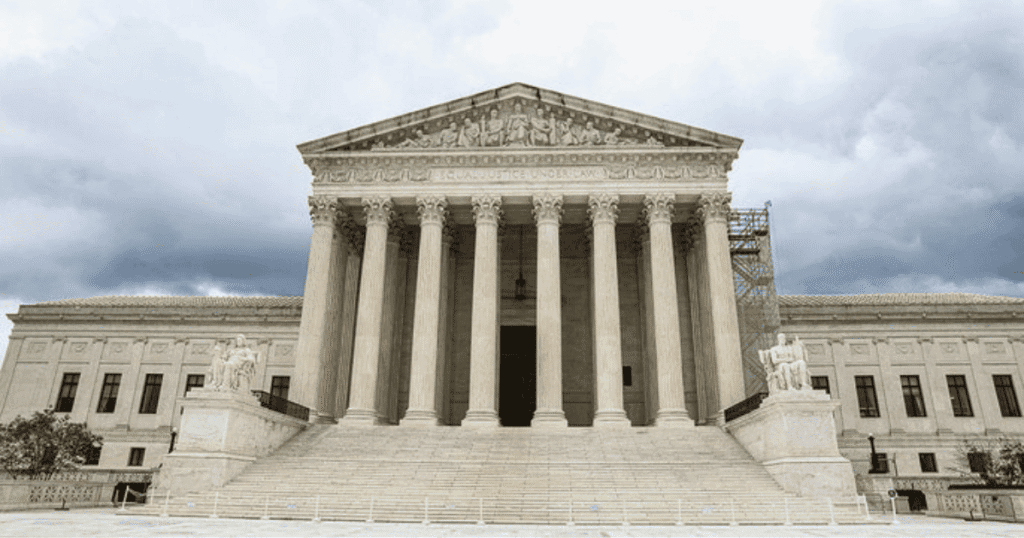
The Supreme Court blocked Missouri from using a Trump-backed GOP congressional map, dealing Republicans a setback weeks before the midterm election.
WASHINGTON — The Supreme Court has delivered another setback to President Donald Trump and Republicans by blocking Missouri from using a GOP-backed congressional map in the November midterm elections.
The justices issued a brief order Thursday preventing the state from moving forward with the newly drawn districts, which Republicans had hoped would help them gain an additional seat in the U.S. House.
The ruling is the latest twist in a rapidly escalating redistricting battle that has left Missouri election officials and candidates uncertain about which congressional boundaries will govern the November election.
Supreme Court blocks GOP-favored map
The Supreme Court’s action prevents Missouri from using the new map backed by Trump and Republican state lawmakers.
The map was designed to strengthen Republican prospects across the state’s eight congressional districts and target Democratic Rep. Emanuel Cleaver’s Kansas City-area seat.
Republicans argued that the map had already been used during Missouri’s August primary elections and that changing boundaries before the general election could create confusion for candidates and voters.
The Supreme Court nevertheless declined to allow the new map to take effect while the legal dispute continues.
Trump-backed redistricting plan takes a hit
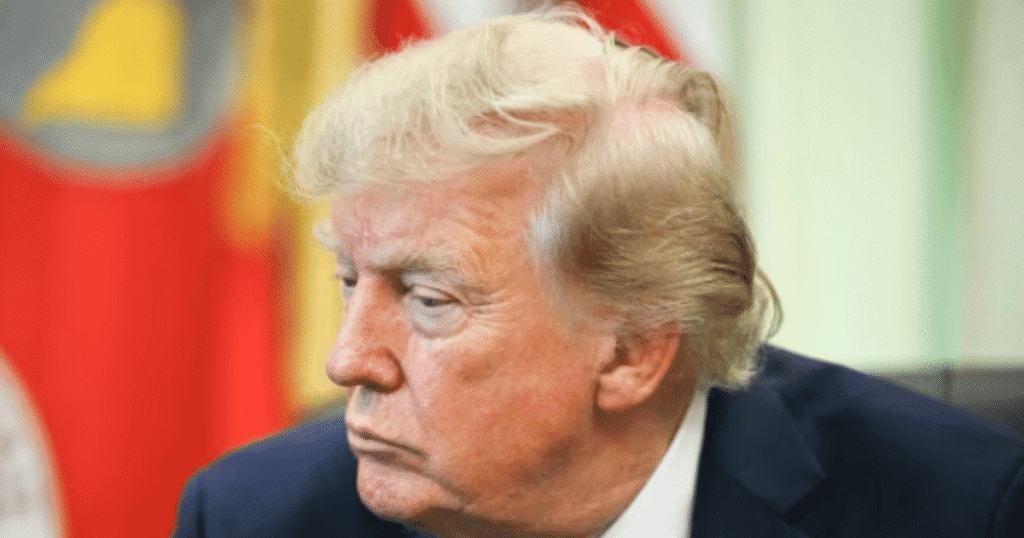
Trump had urged Republican-controlled states to pursue mid-decade redistricting efforts as both parties fight for control of the House.
Missouri Republicans responded by approving new congressional boundaries intended to improve the GOP’s chances of winning an additional House seat.
The proposed map divided Kansas City into multiple districts and weakened the Democratic stronghold represented by Cleaver.
The Missouri Supreme Court later ruled that the new boundaries could not be used because opponents had successfully gathered signatures seeking a statewide referendum on the map.
Conflicting court rulings created election chaos
The Supreme Court’s decision comes after an extraordinary series of conflicting rulings.
Justice Brett Kavanaugh previously declined an emergency request from Missouri officials seeking to overturn the state’s highest court and permit use of the new map.
Hours later, U.S. District Judge Stephen Clark issued an order directing Missouri to use the GOP-backed map, creating a direct conflict between the state and federal courts.
The dispute then returned to the Supreme Court after opponents of the map challenged Clark’s ruling.
Thursday’s Supreme Court action appears to clear the way for Missouri to return to its older congressional map, although further legal proceedings remain possible.
Republicans could lose a potential House gain
The new map was expected to give Republicans an opportunity to capture an additional congressional seat.
Missouri currently has six Republicans and two Democrats in its eight-member House delegation.
The GOP-backed plan sought to make seven of those districts favorable to Republicans, including by restructuring Cleaver’s district.
Blocking the map therefore represents more than a procedural victory for its opponents. It could have consequences for the national fight for House control, where Republicans hold only a narrow majority.
Republicans are seeking to protect that majority in the November midterms, while Democrats are attempting to regain control of the chamber.
Missouri voters face uncertainty
The redistricting fight has also created unusual uncertainty for Missouri voters.
The new map was used in the August primary, meaning some candidates won nominations under boundaries that may not be used in November.
Missouri officials had warned that changing maps between the primary and general elections could create confusion and potentially force candidates to campaign in districts different from those in which they competed during the primary.
The state also faces a tight election-administration timeline, with absentee ballots scheduled to begin going out later this month.
Redistricting battle extends beyond Missouri
The Missouri dispute is part of a broader national battle over congressional redistricting ahead of the 2026 elections.
Trump and Republican leaders have pushed for maps that could strengthen the party’s position in the House, while Democrats have pursued their own redistricting efforts in states where they hold political power.
Recent court decisions involving Virginia, Texas and California have also altered the national political map and intensified the fight over which party will control the House after November.
The stakes are particularly high because even a small number of congressional seats could determine which party controls the chamber.
Trump faces a major setback in Missouri
The Supreme Court’s latest decision represents a clear setback for Trump’s redistricting strategy in Missouri.
Republicans had hoped the new map would help them secure another House seat and strengthen their position heading into the midterms.
Instead, the state appears poised to use its older congressional boundaries while the legal dispute continues.
With ballots nearing distribution and the November election approaching, Missouri officials now face the challenge of resolving the competing legal claims quickly.
For Trump and Republicans, the ruling removes one potential advantage in a national redistricting fight that could ultimately help determine control of Congress.
Also read: Houthis seize port, threatening global shipping
Satta Matka 16