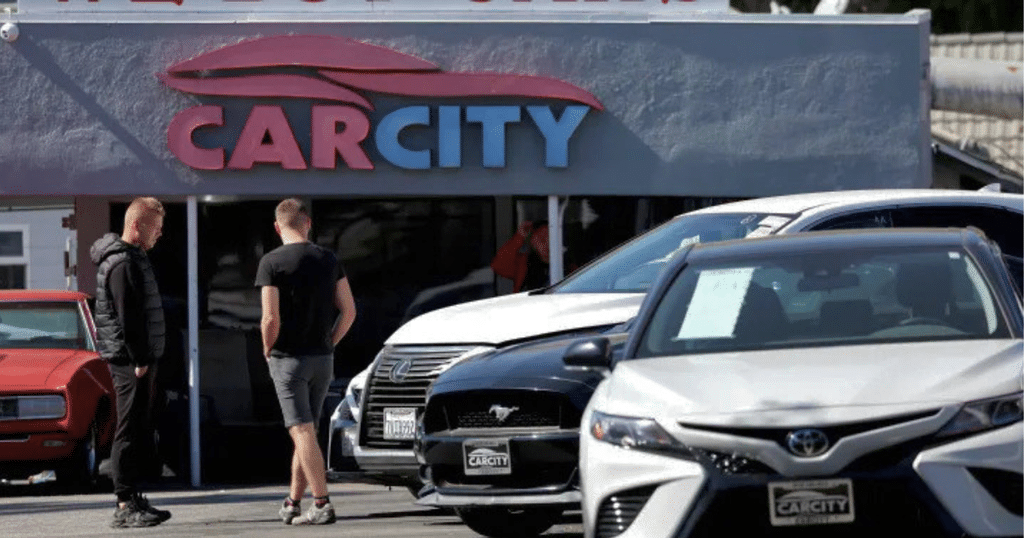
Used Car Prices Slide as Fuel-Efficient Models Surge while fuel costs and rates reshape demand, pushing shoppers toward efficient vehicles while values decline.
Used Car Prices Slide as Fuel-Efficient Models Surge, with buyers increasingly favoring efficient vehicles amid expensive fuel and rising borrowing costs.
Used-car prices lose momentum
Wholesale used-vehicle prices declined during September, extending depreciation across the third quarter as market pressures intensified for dealers nationwide.
The Manheim index fell 0.6% from last year and 1.1% from August after seasonal and mileage adjustments during September.
That decline followed stronger appreciation during the first half, showing how quickly fuel costs and interest rates changed market conditions.
Large pickups and SUVs absorbed greater pressure as expensive fuel reduced demand and weakened valuations across those segments during the quarter.
Meanwhile, electric vehicles and compact cars showed resilience as consumers increasingly prioritized efficiency while gasoline prices remained elevated across markets.
Fuel costs reshape buyer preferences
Electric vehicle wholesale sales increased 45% year over year, reaching a record 4.9% share of transactions during the quarter.
Used retail EV sales also reached approximately 124,000 units, representing an 11.4% increase from last year during the quarter.
Off-lease EV supply is growing too, giving shoppers more choices while potentially creating additional pressure across used vehicle pricing.
Efficient vehicles gain attention
Fuel-efficient demand extends beyond electric cars, with smaller vehicles benefiting as drivers reconsider the cost of operating larger models.
Diesel vehicles faced particular pressure because record fuel costs pushed their inventory days supply 27% higher than last year.
That increase suggests buyers are becoming more cautious about long-term ownership costs when fuel expenses remain unusually unpredictable today.
Electric vehicles are showing particular strength, with their index rising 4.3% year over year during September despite broader weakness.
Non-electric vehicles moved differently, with their index declining 1.6% year over year as fuel-conscious shoppers reassessed transportation expenses.
Trucks and SUVs face tougher conditions
Larger vehicles are losing some appeal as fuel expenses influence purchase decisions and household budgets become increasingly sensitive to costs.
Consumers appear more willing to consider smaller vehicles when monthly fuel expenses become a bigger part of ownership calculations overall.
That shift could gradually change dealership inventories as businesses respond to stronger interest in economical transportation options during coming quarters.
2026 used-car forecast gets sharply weaker
The latest outlook expects the Manheim index to finish 2026 only 0.2% higher year over year, sharply below earlier expectations.
The company previously expected approximately 2% annual growth, meaning the revised outlook reflects considerably weaker market conditions than anticipated.
Interest rates are also complicating affordability because financed used-vehicle purchases become more expensive when borrowing costs continue climbing nationwide.
Despite falling wholesale values, consumers may not immediately see equally large savings because retail prices often respond more slowly.
The broader used market therefore presents a mixed picture, combining softer wholesale prices with persistent affordability challenges for shoppers.
More inventory could arrive
Off-lease supply is expanding, potentially increasing wholesale volume and giving dealers more vehicles to offer during the coming year.
Off-lease vehicles could represent roughly 16% of supply during the second half, rising toward 19% by summer 2027.
That growing supply could create additional opportunities for buyers searching for newer, efficient vehicles with competitive prices across dealerships.
What used-car shoppers should watch
EVs and efficient cars could gain further attention if fuel costs remain elevated and consumers increasingly focus on monthly ownership expenses.
Dealers meanwhile must balance falling wholesale valuations against cautious buyers, changing inventory preferences, and uncertain financing conditions during coming months.
Looking ahead, expanding off-lease supply could increase wholesale volumes while giving consumers more opportunities to compare efficient vehicles at dealerships.
Ultimately, the latest data suggests America’s used-car market is entering a sharper adjustment as fuel economics reshape consumer preferences.
Also read: Inflation Fears Surge as 3.9% Outlook Sparks Alarm