Mukesh Ambani’s Reliance expands Venezuelan crude buying while backing Trump’s refinery project, reshaping India’s oil strategy amid growing pressure worldwide.
Mukesh Ambani’s Reliance expands Venezuelan crude buying while backing Trump’s refinery project, reshaping India’s oil strategy amid growing pressure worldwide.
India’s energy strategy is entering a striking new phase as Reliance Industries increases its purchases of Venezuelan crude.
The move comes as the company also backs a major refinery project in the United States supported by Donald Trump.
Reliance now sits at the center of a complicated global energy shift involving Venezuela, Russia, India and the United States.
Reliance expands Venezuelan crude purchases
Venezuelan oil shipments to India are expected to rise sharply during October, according to current shipping estimates.
Projected deliveries could reach about 465,000 barrels per day if scheduled cargoes arrive as planned.
That level would represent India’s strongest Venezuelan crude intake in nearly seven years.
Reliance’s Jamnagar refining complex plays a major role because it can process heavy and sulfur-rich Venezuelan crude efficiently.
The company’s refining system gives it an important advantage when cheaper heavy crude enters international markets.
Discounted Venezuelan barrels can improve refinery economics even when longer shipping routes increase transportation expenses.
Why Venezuelan oil matters to India
India has relied heavily on Russian crude for years because competitive prices supported its large refining industry.
However, changing sanctions risks and higher Russian crude costs have encouraged Indian refiners to diversify their supply sources.
Venezuelan crude offers another option for refiners equipped to handle heavier grades.
Reliance previously bought Venezuelan oil before changing American sanctions and tariff threats disrupted those purchases.
The company later indicated that it could resume Venezuelan imports if transactions remained compliant with applicable rules.
Trump’s refinery project adds another layer
Reliance’s Venezuelan purchases become especially significant because the company also supports a new refinery project in Texas.
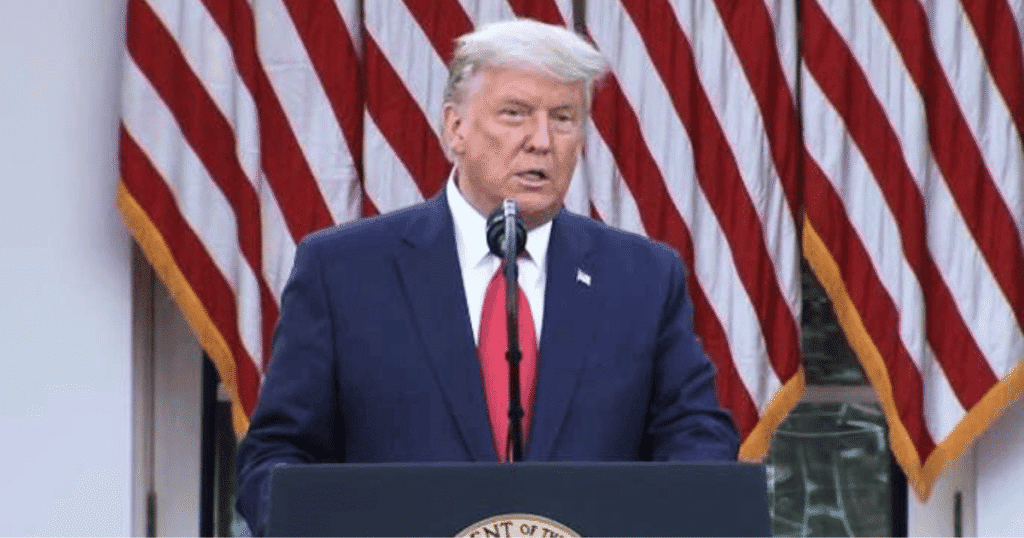
Trump announced the project in March, identifying Reliance as a major investor in the planned facility.
The refinery aims to process American crude and eventually supply fuel markets from the southern United States.
Reliance also agreed to purchase products from the facility under a long-term arrangement.
The project could strengthen commercial ties between India’s biggest private energy company and the American energy market.
A strategic balancing act
Reliance’s growing Venezuelan exposure highlights how energy companies increasingly balance economics against geopolitical pressure.
India continues to seek affordable crude while managing relationships with major global powers.
Russian oil remains important, but changing trade conditions can alter the attractiveness of individual suppliers.
Venezuelan crude therefore gives Indian refiners another potential source when market conditions shift.
The strategy also reflects Reliance’s ability to process crude varieties that many competing refineries cannot handle as efficiently.
What the shift means for India’s oil market
Higher Venezuelan imports could reduce India’s dependence on any single major crude supplier.
That diversification could provide Indian refiners with greater flexibility during periods of sanctions, shipping disruptions or price volatility.
Recent import patterns already show stronger Venezuelan flows alongside declining Russian purchases.
Venezuelan imports reached roughly 350,000 barrels per day in August, according to shipping data cited in recent industry reporting.
October projections suggest the Venezuelan surge could continue if vessels complete their scheduled journeys.
Still, actual volumes may differ because shipping schedules and discharge dates can change.
Reliance gains a powerful advantage
Jamnagar remains central to Reliance’s ability to exploit changing crude markets.
The complex can process dense, high-sulfur grades that require sophisticated refining equipment.
That capability allows Reliance to consider crude supplies that less complex refineries may avoid.
Venezuela’s enormous oil resources therefore represent more than another supply option for the Indian conglomerate.
They could become an increasingly valuable part of Reliance’s global crude sourcing strategy.
Geopolitics could shape the next move
The biggest question concerns how Washington will treat Venezuelan crude as global energy relationships evolve.
American policy has previously influenced whether Indian companies could purchase Venezuelan oil.
Any changes to sanctions, tariffs or licensing rules could quickly reshape refinery purchasing decisions.
For Reliance, flexibility remains crucial as energy markets respond to political decisions and shifting commercial incentives.
India’s broader strategy will likely continue balancing affordable crude, supply security and diplomatic relationships.
Reliance’s simultaneous involvement in Venezuelan crude buying and the Trump-backed refinery project illustrates that complex balancing act.
The developments show how global energy markets increasingly connect business decisions with diplomacy, sanctions and national interests.
Also read: Volkswagen Recalls 208,000 SUVs Over Steering Loss Risk