Minnesota Democrat declined a 2019 ethics referral against Ilhan Omar, raising fresh questions about congressional oversight and accountability in Washington.
Minnesota Democrat Declined Ethics Referral Against Ilhan Omar
A Minnesota Democrat declined to refer Ilhan Omar for an ethics investigation in 2019, despite receiving a fellow lawmaker’s request. The decision raises questions about congressional oversight and accountability. It also renews attention on how lawmakers handle complaints involving their colleagues.
What Happened Between Angie Craig and Steve Drazkowski?
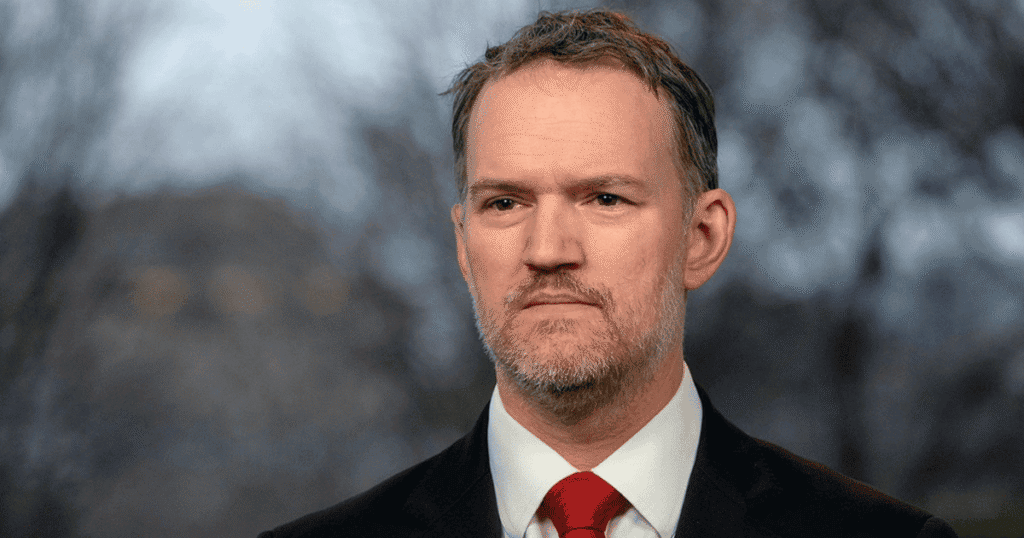
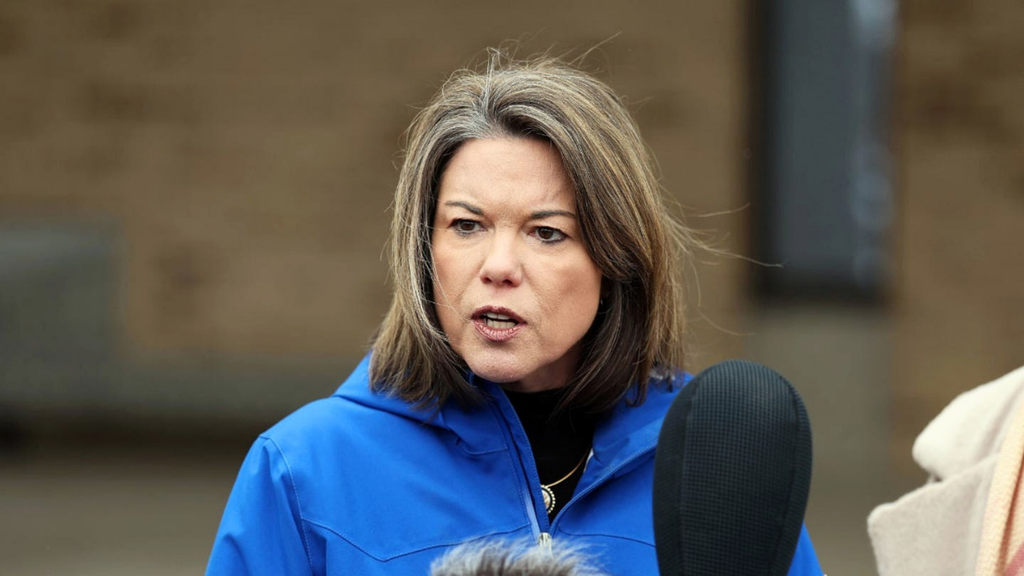
The correspondence involved Democratic Rep. Angie Craig and former Minnesota state Rep. Steve Drazkowski. Drazkowski contacted Craig in 2019, asking her to pursue congressional ethics proceedings against Omar.
His letter cited allegations involving tax filings, campaign finances and possible legal violations. He also referenced findings from Minnesota’s campaign finance oversight board.
Craig responded two days later, explaining how citizens could submit information directly. She identified the Office of Congressional Ethics as the appropriate independent oversight channel.
Craig Directed the Requester Toward Ethics Officials
Craig explained that the ethics office accepted information from ordinary citizens and congressional representatives. However, she declined to personally forward Drazkowski’s request to the House Ethics Committee.
Her response emphasized established procedures rather than launching an investigation through her congressional position. The exchange now highlights disagreements about political accountability and congressional oversight.
Minnesota Campaign Finance Findings Added Pressure
The controversy gained attention after Minnesota’s campaign finance board issued findings on June 6, 2019. Investigators identified campaign finance violations involving Omar’s spending and reporting practices.
The board found that Omar improperly used $1,500 in campaign funds. Those payments covered tax preparation services connected with jointly filed returns.
Officials also required Omar to reimburse campaign funds used for certain travel expenses. The expenses involved trips to Boston, New York and Washington, D.C.
Importantly, these state findings concerned campaign finance violations, not criminal convictions. Omar welcomed the conclusion and disputed claims about personal misuse.
Drazkowski Subsequently Contacted Federal Authorities
After Craig’s response, Drazkowski submitted complaints directly to congressional ethics officials. He also shared his concerns with the Office of Congressional Ethics.
However, Drazkowski later complained about receiving no meaningful response. He subsequently delivered information to the FBI’s Minneapolis office.
According to Drazkowski, he provided investigators with names and telephone numbers. He expressed frustration over what he described as limited investigative follow-up.
Omar and Craig Have Not Responded
The latest reporting highlights unanswered questions surrounding the 2019 correspondence. Both lawmakers received requests for comment about the newly disclosed exchange.
Neither Omar nor Craig provided a response before publication. The House Ethics Committee and FBI also declined requests for comment.
No public information establishes that the allegations cited by Drazkowski resulted in criminal charges. The distinction between documented campaign finance findings and unproven accusations remains important.
Why the 2019 Ethics Dispute Matters Today
The correspondence offers another example of political disagreements surrounding congressional ethics procedures. It also raises questions about how lawmakers handle complaints involving fellow representatives.
Congressional ethics investigations depend on established rules and independent review mechanisms. Public scrutiny often intensifies when allegations involve prominent political figures.
Ultimately, the 2019 exchange reveals how one lawmaker redirected an ethics request. It does not establish that Craig obstructed an investigation or that Omar committed criminal wrongdoing.
The episode nevertheless keeps congressional accountability, campaign finance transparency and political oversight in public discussion.
Also read: Court Delivers Trump Immigration Win in Visa Lottery Fight