KFC is dropping Pepsi after nearly 40 years and switching to Coca-Cola in 2027, bringing a major beverage shake-up to thousands of US restaurants.
KFC Replaces Pepsi With Coca-Cola After Nearly 40 Years
KFC is making a major beverage change, replacing Pepsi with Coca-Cola across its US restaurants beginning in January 2027. The announcement ends a nearly four-decade partnership and introduces a fresh chapter for the popular fried chicken chain. Customers can expect Coca-Cola products at participating locations during the transition, with nationwide availability expected by spring 2027.
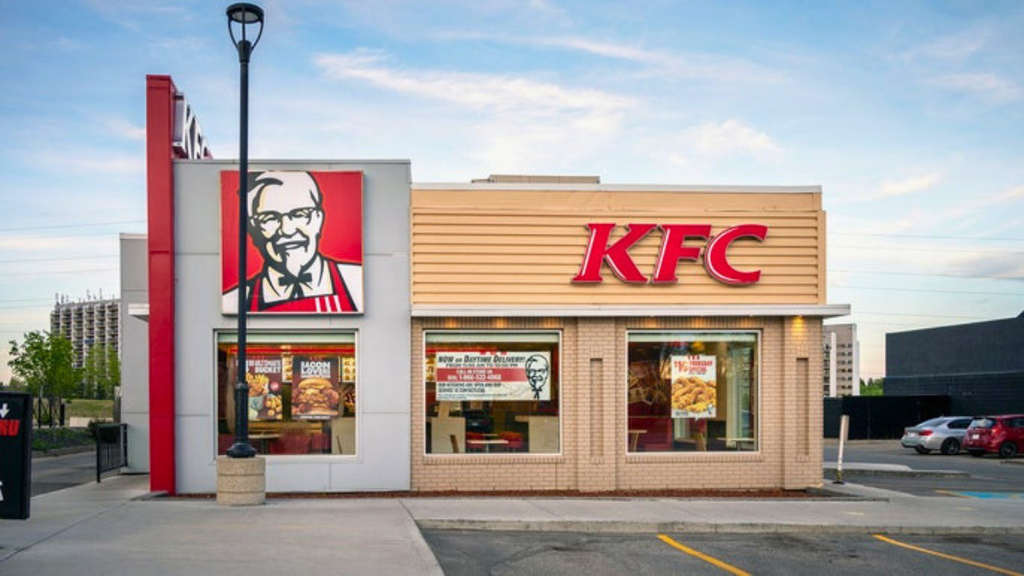
The decision affects approximately 3,700 KFC restaurants across the United States. The move also intensifies competition between two beverage giants seeking stronger positions in the fast-food industry.
Why KFC Is Making the Switch to Coca-Cola
KFC describes the new beverage partnership as part of its broader strategy to refresh its menu and improve customer experiences. The company wants to strengthen its brand while giving diners more reasons to visit its restaurants.
Coca-Cola brings an extensive beverage portfolio and experience working with major restaurant chains. The partnership could also create opportunities for new drink combinations and expanded beverage offerings alongside KFC’s signature fried chicken.
When Will Coca-Cola Arrive at KFC Restaurants?
The transition will begin in January 2027, with Coca-Cola products expected across US locations by spring. Customers should check their local restaurants for availability during the rollout.
The change will not happen everywhere simultaneously, so individual locations may introduce the new drinks at different stages. KFC has not publicly disclosed the financial terms of its agreement with Coca-Cola.
What Happens to Pepsi at KFC?
Pepsi’s departure from KFC’s US restaurants marks a significant change for a partnership that began when PepsiCo acquired the restaurant chain in 1986. Although PepsiCo separated its restaurant business in 1997, the beverage relationship continued for decades.
However, the latest agreement changes that longstanding arrangement in the American market. PepsiCo will continue supplying beverages to KFC’s international operations, while its partnership with Taco Bell also remains in place.
Why the Decision Matters for PepsiCo
Losing KFC represents a high-profile setback for PepsiCo as it works to strengthen its beverage business in North America. The change also highlights the importance of major restaurant partnerships in the competitive soft drink market.
Nevertheless, the financial impact remains uncertain because neither company disclosed the agreement’s value. PepsiCo continues to serve other restaurant partners, meaning the KFC decision does not end its presence in the fast-food industry.
Coca-Cola Gains Another Major Restaurant Partner
Coca-Cola’s agreement with KFC strengthens its position among leading beverage suppliers to American restaurant chains. The company already supplies drinks to major brands, including McDonald’s and Wendy’s.
The partnership could help Coca-Cola reach more customers while expanding its visibility alongside KFC’s popular menu items. For diners, the most noticeable difference will be the beverage selection available with their meals.
Could KFC Introduce New Drinks?
KFC has been exploring ways to refresh its menu and expand its beverage offerings. Its broader strategy includes developing drinks that appeal to changing consumer preferences and encourage additional restaurant visits.
The new partnership creates opportunities to explore different beverage combinations, although neither company has confirmed specific new drinks resulting from the agreement. Customers will learn more as the transition progresses.
What Customers Should Expect From KFC’s Beverage Change
For regular KFC customers in the United States, the switch means Coca-Cola products will gradually replace Pepsi beverages during early 2027. The rollout will preserve KFC’s familiar food offerings while changing a longstanding part of its drink menu.
Ultimately, the agreement represents more than a change in soda suppliers. It highlights how fast-food brands are adapting their menus, strengthening partnerships, and competing for customer loyalty in an evolving restaurant market.
Also read: Why Food Prices Are So High? Farmers Reveal the Truth