Trump’s proposed $5,000 dividend for American adults could cost about $1.2 trillion, raising questions over tariffs, debt and congressional approval.
WASHINGTON — President Donald Trump’s proposal to give Americans a $5,000 “dividend” if Republicans win control of Congress is facing an immediate question: how would the government pay for it?
Trump made the pledge during the Republican Party’s midterm convention in Dallas, saying every adult citizen would receive the payment if Republicans win both the House and Senate in November. He also said recipients would have to spend the money in the United States.
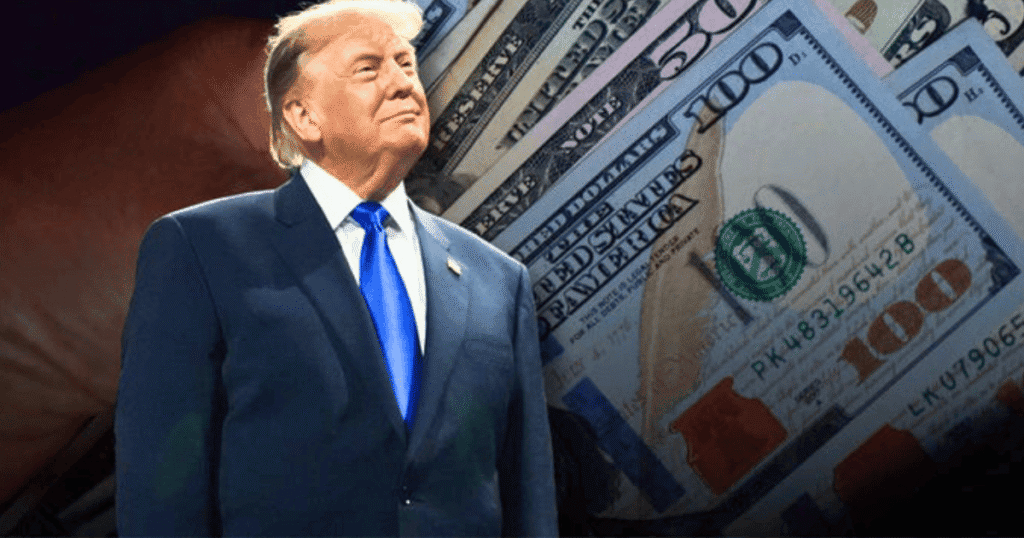
The potential price tag is enormous. With roughly 240 million American adults, a $5,000 payment for each person would cost about $1.2 trillion, according to estimates cited by multiple outlets.
Trump pitches a $5,000 “dividend”
Trump described the proposed payment as a “Trump dividend” and tied it directly to the outcome of the 2026 midterm elections.
“If the Republicans win the House of Representatives and the United States Senate,” Trump said, he would issue a $5,000 dividend to every adult citizen.
The proposal comes as Republicans seek to maintain congressional control and as the administration faces continued voter concerns over inflation, energy costs and household expenses.
Trump has previously floated other direct-payment proposals, including a $2,000 tariff dividend and a so-called DOGE dividend. Neither proposal resulted in payments to Americans.
The $1.2 trillion price tag
The arithmetic behind the latest proposal is straightforward but staggering.
A $5,000 payment multiplied across approximately 240 million adults would produce a bill of roughly $1.2 trillion.
Other estimates using a larger adult population put the potential cost even higher. One analysis cited roughly 245 million adults, which would push the gross cost toward $1.225 trillion.
That amount would represent a major federal spending commitment at a time when the government is already running substantial deficits.
The Congressional Budget Office has estimated that the federal deficit for fiscal 2026 could reach approximately $2.1 trillion.
Can tariffs pay for the checks?
Trump has pointed to tariff revenue as a potential source of funding.
But available revenue figures raise questions about whether tariffs could cover the entire cost.
The Penn Wharton Budget Model estimated that Trump’s tariffs generated nearly $300 billion in gross revenue, but refunds tied to tariffs struck down by the Supreme Court have reduced the amount available. A recent estimate put net tariff revenue at roughly $132.5 billion.
That leaves a substantial gap between tariff collections and the estimated $1.2 trillion cost of the proposed dividend.
One analysis calculated that, after accounting for tariff refunds, the administration could have roughly $118 billion in net tariff revenue — leaving more than $1 trillion that would need another source of financing.
Vance hints at possible income limits
Vice President JD Vance has suggested that the proposal may not apply to wealthy Americans.
That could reduce the total cost, although the administration has not provided a detailed eligibility formula or legislation spelling out who would qualify.
A payment restricted by income would have a significantly different price tag from a universal $5,000 check.
Until Congress receives an actual legislative proposal, key questions remain unanswered, including eligibility, funding, timing and whether the payments would be taxable.
Congress would have to approve the plan
Trump cannot simply authorize a $1.2 trillion federal payment on his own.
Congress would have to approve legislation establishing the program and providing the necessary funding.
That could prove difficult even with Republican control of both chambers, particularly because the proposal would arrive amid concerns over the federal deficit and rising government borrowing costs.
The plan has already generated skepticism from fiscal conservatives and economists who question whether tariff revenue could support such a large expenditure.
A political gamble before the midterms
The timing of Trump’s announcement has also drawn attention.
Republicans face a midterm election in which Trump himself will not be on the ballot, creating pressure to motivate his political base and maintain turnout.
The proposed dividend offers a direct economic incentive to voters, although Trump has framed the payment as applying to all eligible adults rather than only people who vote Republican.
The White House has not yet released a detailed plan explaining how the program would work.
Questions remain over Trump’s $5,000 promise
Trump’s proposed $5,000 dividend has quickly become one of the most eye-catching promises of the 2026 midterm campaign.
But the financial challenge is equally striking. A universal payment could cost around $1.2 trillion, while current tariff revenue falls far short of that amount.
Whether the proposal advances will ultimately depend on congressional action, the final eligibility rules and how lawmakers would finance the payments.
For now, the pledge remains a campaign proposal rather than an approved federal program — leaving Americans with a simple question: where would the other trillion dollars come from?
Also read: Ancient inscriptions reveal world Paul encountered