
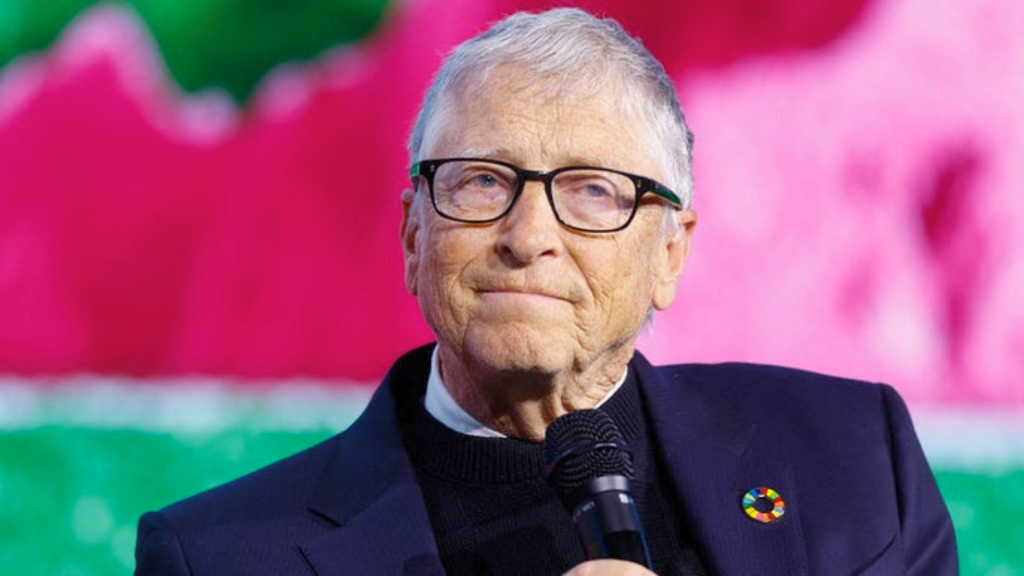
Bill Gates Eyes Fortune to Fight AI Risks as the billionaire reportedly plans a major push for AI safety, tougher rules and stronger safeguards.
Bill Gates Eyes Fortune to Fight AI Risks as the Microsoft co-founder reportedly considers deploying significant resources against artificial intelligence dangers. Gates has grown increasingly concerned about rapid AI advances, cybersecurity threats and weak government oversight. He is reportedly approaching business leaders and weighing a broader campaign for stronger AI safeguards. The move could intensify the global debate over technology regulation, artificial intelligence safety and the future of work.
Bill Gates Considers Major Push to Rein in AI
Gates is reportedly preparing to expand his efforts to address artificial intelligence risks. The billionaire philanthropist wants business leaders to take emerging threats more seriously.
His approach could combine personal influence, financial resources and advocacy for stronger safeguards. The precise size and structure of any new commitment remain unclear.
Gates helped build Microsoft into one of the world’s most influential technology companies. He now warns that AI development may be advancing faster than governments can respond.
His changing position reflects growing concern across the technology sector. Industry leaders increasingly face questions about how to balance innovation with public safety.
Why Gates Is Becoming More Cautious About Artificial Intelligence
Gates has long supported technological innovation and its potential to improve lives. However, increasingly capable AI systems have sharpened his concerns about unintended consequences.
He has warned that AI could eliminate jobs, empower criminals and create serious security threats. He also worries that AI companions could affect children’s development and human relationships.
These concerns extend beyond hypothetical scenarios. AI tools already support sophisticated software development, content generation and automated decision-making.
As capabilities grow, experts must evaluate whether existing safety measures can keep pace. Gates argues that governments and communities need stronger preparation for the transition.
AI Safety Debate Moves Beyond Technology Companies
The debate increasingly centers on whether technology companies should regulate themselves. Gates has argued that voluntary commitments alone cannot adequately manage the most dangerous AI applications.
He has called for lawmakers and law enforcement officials to help establish enforceable safeguards. Such measures could require stronger monitoring, testing and oversight for high-risk systems.
The issue has become especially important as AI developers compete to release increasingly capable products. Competitive pressure can encourage rapid deployment before regulators fully understand potential consequences.
What Stronger AI Regulation Could Include
Policymakers could require independent safety evaluations for advanced AI models. They could also establish reporting rules for serious security incidents and dangerous system failures.
Additional safeguards might cover AI tools capable of assisting with biological threats or sophisticated cyberattacks. Clear standards could help authorities identify risks before harmful applications spread.
However, regulation presents difficult questions about enforcement and technological competition. Excessively broad restrictions could slow beneficial research or burden smaller developers.
Effective policies must therefore distinguish ordinary AI applications from systems that present significant risks. Transparent standards and independent oversight could help balance innovation with accountability.
How Gates Could Use His Wealth and Influence
Gates has spent decades funding global health, education and poverty-reduction initiatives. His philanthropic network gives him access to influential leaders, researchers and policymakers.
A larger AI safety campaign could support independent research, policy development and public education. It could also encourage technology executives to adopt stronger safety commitments.
Yet funding alone cannot resolve every challenge. Governments must establish enforceable rules, while developers must demonstrate that their systems meet appropriate safety standards.
Could His Campaign Change the AI Industry?
Gates could use his relationships with business leaders to encourage coordinated action. His involvement may also bring greater public attention to AI safety and accountability.
However, meaningful change would require more than high-profile warnings. Companies, lawmakers and researchers would need to agree on practical standards and effective enforcement.
The outcome may depend on whether Gates announces specific funding commitments or policy proposals. For now, the reported plans indicate an expanding campaign rather than a finalized regulatory program.
AI Risks Include Job Losses, Cybercrime and Inequality
One major concern involves the effect of automation on employment. AI systems can perform tasks previously handled by customer service workers, programmers and administrative staff.
Businesses may benefit from greater productivity, but workers could face displacement or changing job requirements. Younger employees may encounter particular challenges if companies reduce entry-level hiring.
Another concern involves AI-assisted fraud, deepfakes and cyberattacks. Advanced tools could help criminals create convincing scams or target victims on a much larger scale.
Gates has also highlighted biological security risks associated with increasingly capable AI systems. Experts must consider how malicious actors might misuse powerful tools while preserving beneficial scientific research.
Can AI Still Deliver Major Benefits?
Despite his concerns, Gates continues to recognize AI’s potential to improve healthcare, education and agriculture. Advanced systems could help researchers discover medicines and support medical workers.
AI could also make educational resources more accessible and help farmers improve productivity. Governments may use the technology to simplify services and reach people who need assistance.
The central challenge involves distributing those benefits fairly while reducing foreseeable harm. Stronger safeguards could help society capture AI’s advantages without ignoring its risks.
What Happens Next in the AI Safety Debate?
Gates’s reported plans arrive as governments debate how to oversee increasingly powerful AI systems. Policymakers must decide which technologies require mandatory testing and independent review.
Technology companies also face growing pressure to explain their safety procedures. Voluntary commitments may help, but critics argue that enforceable requirements provide stronger accountability.
The next major development will depend on whether Gates turns his reported intentions into concrete action. Specific funding announcements, industry agreements or legislative proposals could clarify his strategy.
Ultimately, the debate concerns who should shape the future of artificial intelligence. Gates’s possible intervention could add considerable influence to efforts seeking safer development, stronger oversight and broader public protection.
Also read: Great Wolf Lodge Horror: 401(k) Move Raises Questions








