Food prices keep climbing as farmers face rising fuel, labor and supply costs. Discover why fresh produce costs more and what shoppers can do now.
Why Food Prices Are So High? Farmers Reveal the Truth
Food prices continue to pressure household budgets, leaving shoppers questioning why everyday groceries cost increasingly more. Farmers market vendors offer a revealing perspective on the rising costs behind fresh produce, dairy, meat and other essentials.
From expensive fertilizer to higher transportation bills, producers face mounting challenges before their products reach customers. Weather disruptions, seasonal shortages and labor expenses also influence the prices shoppers encounter at local markets.
Understanding these pressures helps explain why farmers markets do not always offer cheaper alternatives to supermarkets. The economics behind fresh food reveal a complicated struggle involving farmers, small businesses and families seeking affordable groceries.
Why Are Food Prices So High Right Now?
Food inflation rarely results from one isolated problem affecting the entire agricultural industry. Instead, several expenses accumulate throughout production, transportation, storage and retail distribution.
Farmers must pay for seeds, fertilizer, equipment, irrigation, workers and transportation before earning revenue. When these expenses increase, vendors often face difficult decisions about maintaining prices or protecting their businesses.
Fuel prices create additional pressure because agricultural operations depend heavily on diesel and electricity. Tractors, delivery vehicles, refrigeration systems and irrigation pumps all require energy to operate.
Rising Farming Costs Push Produce Prices Higher
Fertilizer represents a significant expense for many farms, particularly those producing vegetables, fruits and grains. Higher fertilizer prices can increase production costs, forcing growers to reconsider planting decisions and selling prices.
Labor costs also influence the final price of fresh food. Farms need workers to plant crops, manage irrigation, harvest produce, sort products and prepare orders.
Small farms often struggle to absorb these increases because their operating budgets remain limited. Unlike large agricultural businesses, independent growers may have fewer opportunities to negotiate lower prices with suppliers.
Transportation and Fuel Add Pressure to Food Bills
Fresh produce must travel from farms to distribution centers, grocery stores or farmers markets. Every additional transportation expense can reduce profits or increase the amount customers eventually pay.
Refrigerated vehicles create further costs because perishable foods require careful temperature control during transportation. Longer journeys and inefficient delivery routes can make fresh produce more expensive to sell.
Higher fuel prices also affect packaging suppliers, agricultural equipment manufacturers and other businesses supporting food production. These interconnected expenses demonstrate why energy market disruptions can eventually reach household grocery bills.
Farmers Market Prices Reveal the Hidden Cost of Fresh Food
Farmers markets often connect growers directly with customers, reducing the need for several intermediaries. However, this shorter supply chain does not automatically guarantee lower prices for every product.
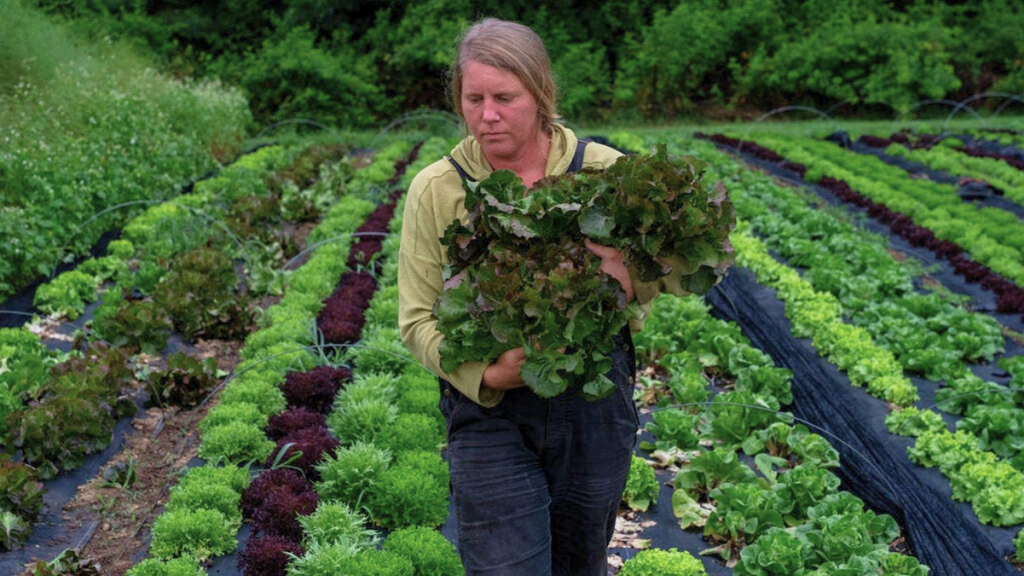
Independent farmers frequently produce smaller quantities than industrial agricultural operations. They may also use labor-intensive growing methods, specialized equipment and careful harvesting practices that increase individual product costs.
Why Local Produce Can Cost More Than Supermarket Food
Large supermarkets typically purchase substantial quantities from established suppliers and distribution networks. Their purchasing power can help secure lower wholesale prices and spread operating expenses across numerous products.
Independent growers rarely enjoy the same economies of scale. A small vegetable farm may spend considerable time harvesting, washing, sorting and transporting relatively modest quantities of produce.
Market vendors must also pay stall fees, transportation expenses and sometimes additional staffing costs. These expenses can influence prices even when farmers sell their own products directly.
Nevertheless, local produce may offer freshness, seasonal variety and closer relationships between growers and customers. Shoppers should compare quality, quantity, growing practices and overall value rather than judging products solely by price.
Weather Disruptions Make Food Prices Less Predictable
Agriculture depends heavily on weather conditions, making food supplies vulnerable to droughts, floods, excessive heat and unexpected cold spells. Even a short period of extreme weather can damage crops and reduce harvest volumes.
When supplies decline while demand remains steady, prices often rise. Perishable products can experience particularly sharp fluctuations because farmers cannot quickly replace damaged crops or extend harvesting seasons.
Climate Risks Affect Fruits and Vegetables
Heat waves can stress plants, reduce yields and increase irrigation requirements. Heavy rainfall may damage crops, delay harvesting and make fields difficult for agricultural machinery to access.
Fruit growers face additional challenges because many crops require specific seasonal conditions. Poor flowering, inadequate pollination or extreme temperatures can reduce the quantity of marketable fruit.
These disruptions can affect both farmers and consumers. Growers lose potential income when harvests decline, while shoppers encounter fewer choices and higher prices for affected products.
Why Rising Food Prices Hurt Small Farmers Too
Higher grocery prices do not necessarily mean farmers earn significantly more money. Much depends on how production costs change and how much customers can afford to purchase.
A farmer might increase vegetable prices while simultaneously paying more for fuel, fertilizer, packaging and hired workers. Consequently, the additional revenue may cover expenses rather than produce a larger profit.
Vendors Face a Difficult Pricing Decision
Market vendors must balance financial survival against customers’ limited budgets. Raising prices can protect their margins, but excessive increases may discourage shoppers and reduce sales.
Keeping prices unchanged presents a different problem because operating expenses continue to accumulate. Small businesses may eventually struggle to pay workers, maintain equipment or invest in the next growing season.
Unsold produce creates another financial risk because fresh fruits and vegetables deteriorate quickly. Vendors cannot always store excess inventory until customers return or prices improve.
This combination of uncertain demand, rising expenses and perishable inventory makes agricultural businesses particularly vulnerable. Sustainable food pricing must therefore consider the financial needs of producers alongside consumer affordability.
Why Supermarket Prices Do Not Always Match Farm Prices
The price customers pay for groceries includes more than the amount farmers receive for their crops. Processing, packaging, transportation, storage, marketing and retail operations all contribute to the final bill.
Some foods require extensive processing before reaching consumers. Packaged meals, dairy products and prepared foods may involve additional labor, equipment, refrigeration and quality-control procedures.
Retailers also manage rent, utilities, employee wages, inventory losses and other operating expenses. Their pricing decisions reflect these costs alongside wholesale prices and competitive pressures.
Understanding the Farm-to-Retail Price Gap
The relationship between farm prices and supermarket prices varies considerably across food categories. A decline in the wholesale price of one crop does not guarantee an immediate reduction at checkout.
Businesses may hold existing inventory purchased at earlier prices or operate under supply contracts that delay adjustments. Meanwhile, transportation and labor expenses can remain elevated even when agricultural commodity prices decline.
Consumers should also distinguish between temporary price spikes and sustained inflation. Seasonal shortages may push individual products higher for weeks, while broader increases across production and distribution can affect grocery budgets for much longer.
How Shoppers Can Save Money on Fresh Food
Although consumers cannot control weather patterns or fuel markets, practical shopping strategies can reduce grocery expenses. Planning purchases carefully also helps households waste less food and make better use of seasonal produce.
Choose Seasonal Fruits and Vegetables
Seasonal produce often offers better value because local supplies increase during peak harvesting periods. Shoppers can ask vendors which products currently have abundant harvests and compare prices across different stalls.
Flexible meal planning allows families to substitute cheaper vegetables when favorite ingredients become expensive. Choosing seasonal alternatives can preserve nutritional variety without placing unnecessary pressure on grocery budgets.
Compare Prices and Buy Only What You Need
Comparing farmers market prices with supermarket offers helps shoppers identify genuine savings. Customers should compare equivalent quantities, product quality and freshness before deciding where to purchase.
Buying large quantities only makes sense when households can consume or preserve the food before it spoils. Freezing suitable produce, preparing meals in advance and storing ingredients correctly can reduce unnecessary waste.
Build Relationships With Local Farmers
Regular customers may learn when farms bring fresh harvests or offer seasonal products at competitive prices. Direct conversations can also help shoppers understand growing conditions, availability and upcoming changes in supply.
Some markets provide discounted produce near closing time, although availability and vendor policies vary. Asking politely about value options can help budget-conscious customers discover affordable purchases without undermining farmers’ earnings.
Will Food Prices Fall in the Coming Months?
Future food prices will depend on several interconnected factors, including weather conditions, energy costs, labor availability and agricultural production. Improvements in any one area may offer relief, but other pressures can offset those gains.
Strong harvests can increase supplies and reduce prices for particular fruits and vegetables. However, damaged crops, transportation disruptions or rising input expenses may limit those benefits.
Food inflation also varies significantly between products and regions. Shoppers may notice falling prices for certain vegetables while paying more for meat, dairy products or imported ingredients.
Rather than expecting every grocery price to decline together, consumers should monitor seasonal patterns and compare available alternatives. Farmers and retailers will continue adjusting prices as production costs and market conditions change.
The Real Story Behind Rising Food Prices
Farmers market vendors provide a valuable perspective on the economic pressures affecting fresh food. Their experiences illustrate how rising production costs, weather uncertainty and transportation expenses can influence everyday purchases.
High prices do not automatically translate into higher profits for growers. Many small farmers face narrow margins while trying to maintain product quality and keep food affordable for their communities.
Consumers benefit from understanding these challenges because informed purchasing decisions can support both household budgets and local agricultural businesses. Seasonal shopping, careful meal planning and reduced food waste offer practical ways to manage rising expenses.
Ultimately, affordable food depends on a resilient agricultural system that supports producers while protecting consumers. Addressing the pressures throughout the supply chain remains essential to making nutritious, fresh food accessible to more households.
Also read: Chinese Carmakers Surge as Europe Faces an EV Revolution