Chinese carmakers steal the spotlight in Paris as affordable electric vehicles, bold technology and fierce competition reshape Europe’s automotive industry.
Chinese Carmakers Surge as Europe Faces an EV Revolution
Chinese carmakers have transformed Europe’s automotive conversation, moving from overlooked challengers to serious competitors at the 2026 Paris Motor Show. Their expanding presence highlights China’s growing influence over electric vehicles, battery technology, vehicle design and global automotive competition.
The shift reflects years of investment, rapid product development and intensifying competition across the electric vehicle industry. European manufacturers now face mounting pressure to deliver affordable, technologically advanced cars while protecting jobs and industrial strength.
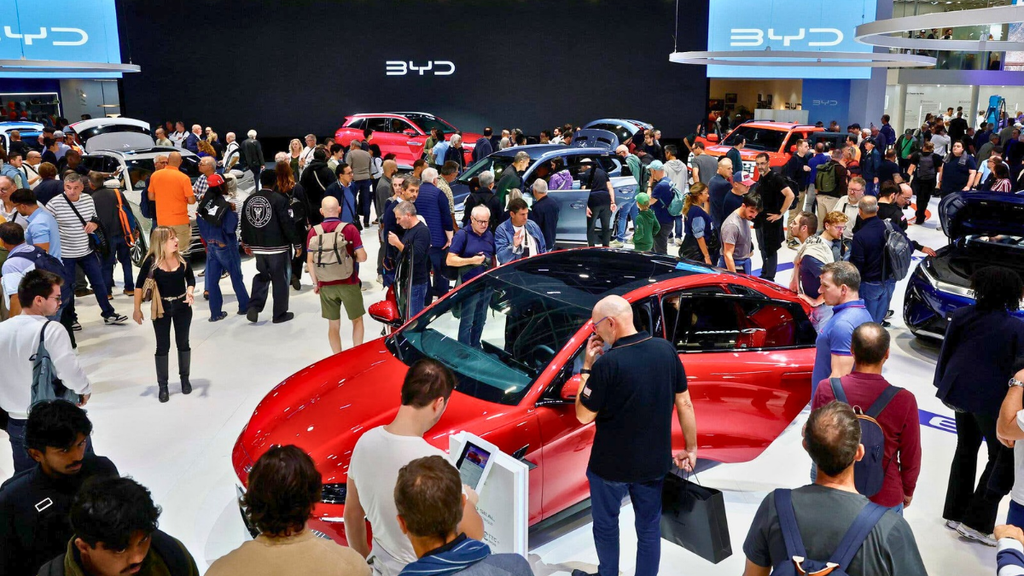
Chinese Carmakers Take Center Stage at Paris Motor Show
The 2026 Paris Motor Show highlights a significant change in the global automotive landscape. Chinese brands now command attention alongside established European manufacturers, presenting electric cars, hybrid vehicles and premium models for international buyers.
Around 20 Chinese automotive brands are participating, doubling their presence compared with the previous Paris show in 2024. Established companies and ambitious newcomers are using the exhibition to strengthen brand recognition and attract European customers.
Brands such as BYD, Chery, Geely, XPeng and other Chinese manufacturers are expanding their international ambitions. Their growing visibility reflects a broader strategy to compete beyond China’s increasingly crowded domestic automobile market.
This expansion also changes the atmosphere at major automotive exhibitions. Chinese manufacturers are bringing fresh products, aggressive pricing and technological innovation to events seeking renewed public interest.
Why Chinese Electric Cars Are Gaining Momentum
Competitive Prices Give Chinese Brands an Advantage
Affordability remains one of the strongest selling points for Chinese electric vehicles. Manufacturers have developed production systems that help control costs while offering features previously associated with more expensive models.
Battery manufacturing, integrated supply chains and rapid product development support this competitive approach. Companies that control several stages of production can respond quickly to market changes and introduce new models more efficiently.
European consumers increasingly seek electric cars that combine practical driving ranges, modern technology and manageable purchase prices. Chinese manufacturers are targeting this demand with compact cars, family SUVs and premium electric vehicles.
However, price alone does not guarantee long-term success. Buyers also consider reliability, charging access, resale values, maintenance costs and the availability of replacement parts.
Advanced Technology Strengthens Their Appeal
Chinese automakers are also competing through technology and interior comfort. Several models feature sophisticated infotainment systems, driver-assistance functions, rapid charging capabilities and premium cabin equipment.
These features help manufacturers challenge the assumption that affordable electric vehicles must compromise on convenience. Younger consumers and technology-focused buyers may find these combinations particularly attractive.
China’s extensive battery industry provides another important advantage. Manufacturers benefit from substantial domestic production capacity, established supplier networks and experience developing electric vehicle platforms at scale.
Nevertheless, battery performance and charging speeds vary considerably between models. Independent testing, safety assessments and real-world driving evaluations remain essential when comparing electric cars.
European Automakers Face a Defining Challenge
Traditional Brands Respond With Affordable Electric Cars
European automotive companies are responding with new models, revised product strategies and renewed attention to affordability. Their challenge involves protecting established strengths while competing against manufacturers with different cost structures.
At the Paris Motor Show, European brands are emphasizing compact electric vehicles and designs inspired by familiar automotive heritage. Such strategies aim to combine recognizable styling with modern technology and more accessible pricing.
Companies including Volkswagen, Renault and Stellantis are exploring ways to make electric cars appealing to a wider customer base. Their efforts demonstrate that affordability has become a central battleground for Europe’s automotive future.
However, established manufacturers must balance lower prices against development expenses, labor costs and regulatory requirements. Their ability to reduce production costs without weakening quality will influence their competitiveness.
Jobs and Industrial Investment Remain at Stake
Chinese competition creates opportunities for consumers but raises difficult questions for European industry. Manufacturers facing weaker sales or shrinking margins may reconsider factory operations, investment plans and employment levels.
Suppliers could also experience pressure as automakers seek cheaper components and more efficient production methods. These changes may affect industrial communities that depend heavily on vehicle manufacturing.
At the same time, competition can encourage investment and accelerate innovation. European manufacturers that improve efficiency and develop desirable electric cars could strengthen their position in global markets.
The outcome will depend on how quickly companies adapt and whether governments can support industrial competitiveness without unnecessarily restricting consumer choice.
Trade Barriers Could Reshape Europe’s Electric Vehicle Market
Growing Chinese exports have intensified discussions about tariffs, subsidies and fair competition. European policymakers are weighing the benefits of affordable imported vehicles against concerns about domestic manufacturing and economic dependence.
Trade restrictions can provide temporary protection for local producers, but they may also increase prices for consumers. Their effectiveness depends on market conditions, implementation and the ability of European companies to improve competitiveness.
Chinese automakers are exploring local production, partnerships and expanded distribution networks to strengthen their European presence. Manufacturing vehicles within Europe could reduce logistical challenges and help companies respond to regional requirements.
However, establishing factories requires substantial investment, reliable suppliers and sustained customer demand. Newcomers must also build trust through dependable servicing, warranties and readily available spare parts.
Can Chinese Carmakers Win European Consumers’ Trust?
Winning attention at an automotive exhibition represents only the beginning of a much longer commercial challenge. Chinese brands must turn initial curiosity into repeat purchases and lasting customer loyalty.
European buyers often evaluate established brands through decades of experience, dealership relationships and perceived reliability. New entrants must demonstrate that their vehicles deliver dependable ownership experiences beyond attractive specifications.
After-sales support will therefore become increasingly important as sales volumes grow. Strong dealer networks, transparent warranties and efficient repairs can help reduce concerns about unfamiliar brands.
Software updates, battery warranties and long-term vehicle performance will also shape consumer confidence. Manufacturers that consistently deliver on these promises could establish durable positions in Europe’s competitive automobile market.
What the Rise of Chinese Carmakers Means for the Future
The growing influence of Chinese automakers signals a broader transformation in global vehicle manufacturing. Competitive advantages in batteries, production efficiency and technology are challenging traditional assumptions about automotive leadership.
European companies still possess valuable strengths, including established brands, engineering expertise and extensive customer relationships. Their future success will depend on combining those advantages with affordable electric vehicles and faster innovation.
Consumers could benefit from more choices, better equipment and increased pressure on manufacturers to improve value. Yet the transition also requires careful attention to employment, industrial investment, trade policy and environmental goals.
The 2026 Paris Motor Show captures this changing balance of power. Chinese carmakers are no longer peripheral participants in Europe’s automotive story; they are helping shape its next chapter.
Also read: Trucking Firms Face Brutal Bankruptcy Wave as Diesel Soars