Republican senators are questioning President Trump’s lavish welcome for Xi Jinping, citing concerns over China’s military and security policies.
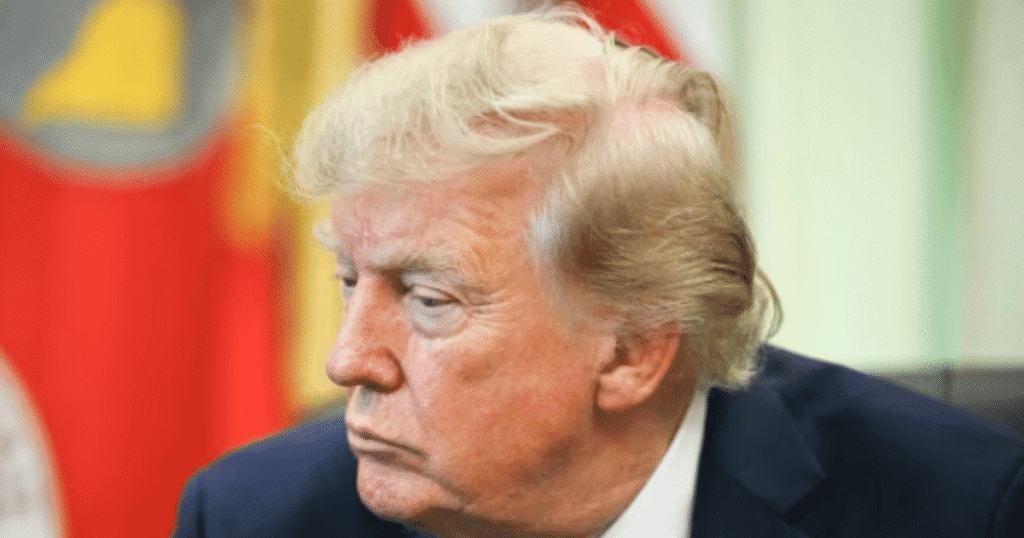
President Donald Trump’s high-profile welcome for Chinese President Xi Jinping has triggered criticism from several Republican senators, exposing tensions within the party over how Washington should handle Beijing.
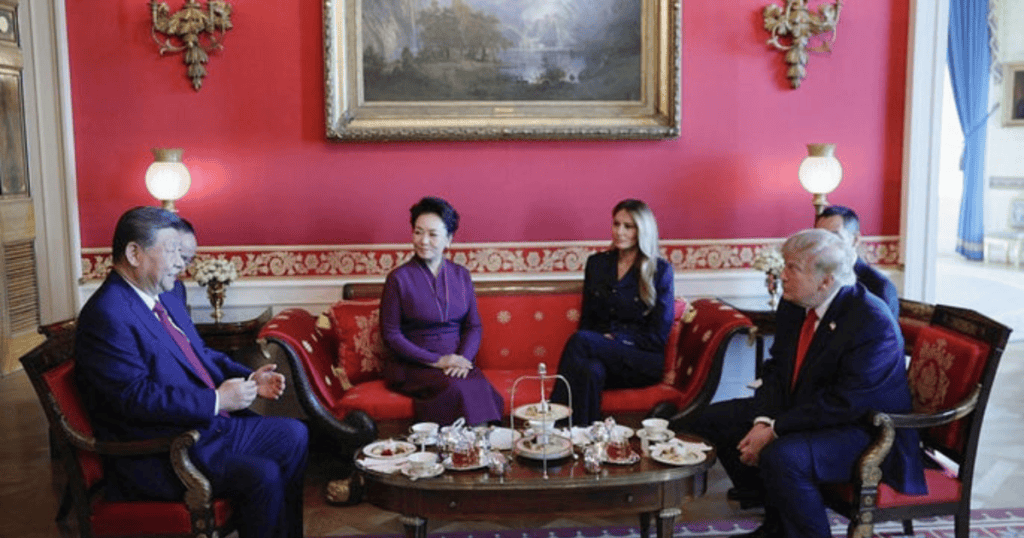
Xi arrived in Washington this week for a major state visit that included a formal military ceremony, a state dinner and other diplomatic events. The scale of the reception has drawn particular attention from Republican lawmakers who have traditionally advocated a tougher approach toward China.
Republican Senators Challenge Trump’s Xi Welcome
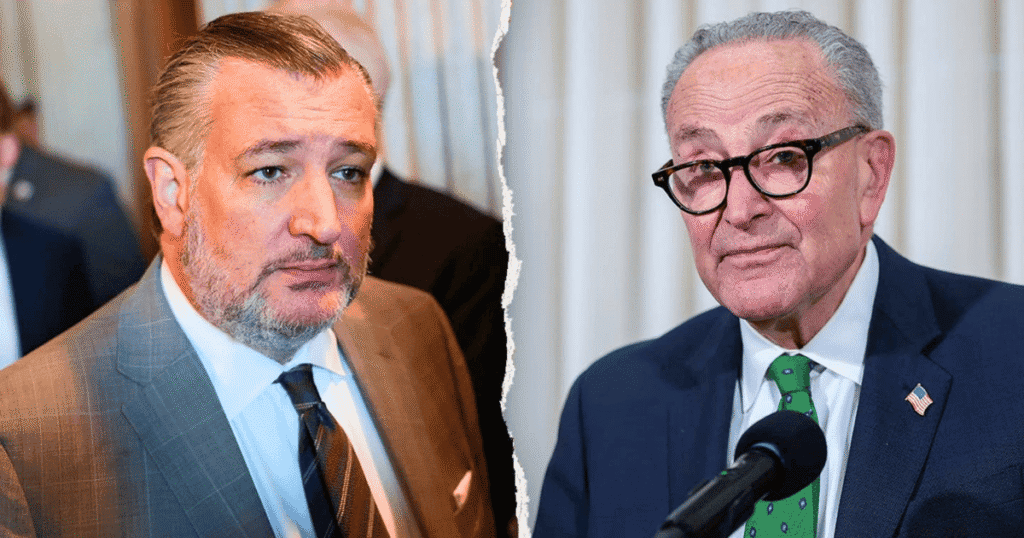
Sen. Roger Wicker, the Republican chairman of the Senate Armed Services Committee, publicly questioned whether Xi should have received such an elaborate reception.
Wicker said he would have advised against inviting Xi to Washington for what he described as a lavish welcome, pointing to unresolved disputes involving China and the Chinese Communist Party.
His comments highlight a broader debate among Republicans over whether diplomatic engagement with Beijing should be accompanied by stronger pressure on issues involving security, technology and China’s military activities.
Thom Tillis Raises Concerns
Sen. Thom Tillis of North Carolina also questioned the optics of Trump’s approach to Xi.
Tillis argued that Trump’s current tone toward Beijing appears different from the tougher China policy associated with his earlier political messaging. He also raised concerns involving China’s human rights record, intelligence capabilities and reports concerning Chinese assistance to Iran.
The senator said that maintaining a productive relationship with China does not eliminate the need to address issues that Washington considers unacceptable.
Why the Xi Visit Is Drawing Attention
Xi’s visit comes at a particularly sensitive time in U.S.-China relations.
The two countries continue to compete over trade, advanced technology, artificial intelligence, military power and Taiwan. At the same time, Trump has sought a more stable relationship with Beijing after earlier tariff disputes between the world’s two largest economies.
The White House’s official schedule included a formal arrival ceremony featuring hundreds of U.S. military personnel, a military flyover and a state dinner hosted by Trump and First Lady Melania Trump.
The elaborate events have created a contrast with calls from some Republicans for a more confrontational approach toward Beijing.
Taiwan Remains a Major Issue
Taiwan is another major point of concern for Republican lawmakers.
Sen. Mitch McConnell and other Republican senators have urged the administration to maintain U.S. support for Taiwan, including moving forward with military assistance.
Republican lawmakers have also pressed the administration to consider China’s military expansion and its activities involving U.S. allies in the Indo-Pacific.
China Policy Creates Debate Within GOP
The disagreement does not mean Republicans oppose diplomacy with China. Instead, the criticism centers on how diplomatic engagement should be balanced with pressure over security and economic disputes.
Some Republican lawmakers have argued that negotiations with Beijing should include firm demands on technology transfers, Taiwan, military activity and China’s relationship with Iran.
John Moolenaar, the Republican chairman of the House Select Committee on China, previously urged Trump to maintain restrictions on China’s access to sensitive American technologies and to address allegations involving Chinese assistance to Iran.
Trump Emphasizes Relationship With Xi
Trump has taken a different public tone, emphasizing his personal relationship with Xi and the importance of maintaining dialogue between Washington and Beijing.
During the visit, the president described his relationship with the Chinese leader in positive terms, while the administration continued discussions on trade and other bilateral issues.
The contrasting approaches reflect a central question in U.S. China policy: whether diplomatic engagement can advance American interests while Washington continues to regard Beijing as a major strategic competitor.
What Comes Next for U.S.-China Relations
The reaction from Republican senators shows that Trump’s China policy remains a subject of debate within his own party.
The administration now faces pressure to demonstrate whether the high-level engagement with Beijing can produce concrete results on trade, technology, Taiwan and security concerns.
For Republican lawmakers who favor a tougher China policy, the issue will remain whether diplomacy with Xi is accompanied by measures designed to address the strategic disputes that have defined the U.S.-China relationship in recent years.
Also read: Ex-Dem Fundraiser Reveals 2024 Money Claims