
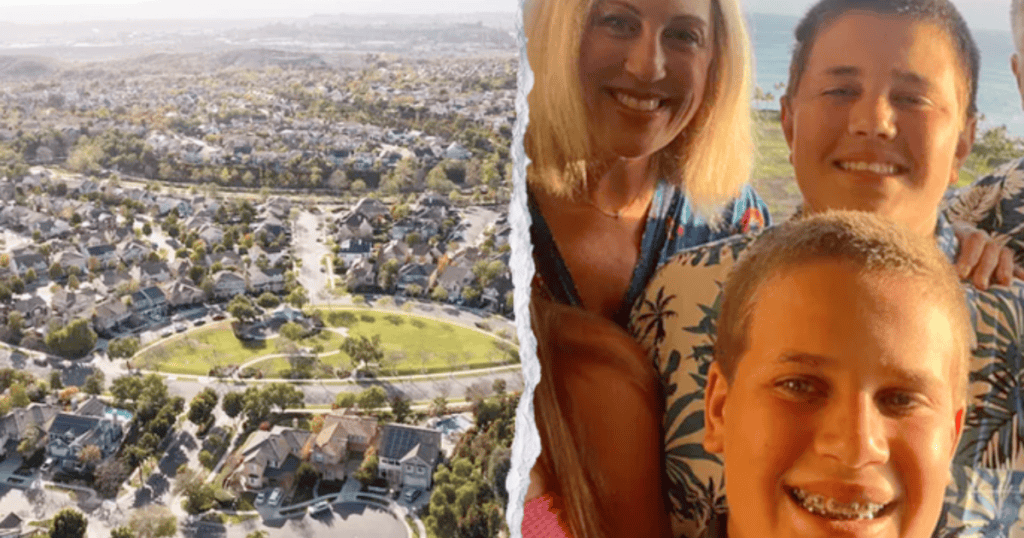
Families in Ladera Ranch, California, are demanding answers after six children were diagnosed with rare Ewing sarcoma, prompting health concerns.
A Southern California community is demanding answers after multiple children were diagnosed with an exceptionally rare form of cancer, raising questions about whether environmental factors could be involved.
At least six children in Ladera Ranch, California, have been diagnosed with Ewing sarcoma, a rare cancer that develops in bones or the soft tissue around them. The cases have prompted growing concern among families and residents, who are calling for a broader investigation.
Families seek answers over cancer cases
Residents have gathered at community meetings to discuss the diagnoses and potential explanations for the unusual concentration of cases.
Local families have raised concerns about possible environmental exposures, including the use of pesticides and herbicides in and around the community. However, no investigation has established that those chemicals caused the children’s cancers.
The concerns have become significant enough that residents have called for state and federal authorities to examine the situation more closely.
Hundreds of people attended a community meeting in Ladera Ranch as parents and residents pressed officials for more information about the cases and whether they could be connected.
What is Ewing sarcoma?
Ewing sarcoma is an uncommon type of cancer that most often affects children, teenagers and young adults.
The disease typically begins in the bones but can also develop in soft tissue. Because it is rare, several diagnoses occurring within one community can understandably attract attention from families and health officials.
However, identifying a suspected cancer cluster does not by itself establish that the cases share a common cause.
Health investigations generally require researchers to examine factors such as the number of cases, the types of cancer involved, the ages of those affected and the geographic distribution of diagnoses before determining whether the occurrence is statistically unusual.
Environmental concerns remain unproven
Some Ladera Ranch residents have focused on pesticide and herbicide exposure as a possible explanation for the cases.
Those concerns have led to calls for environmental testing and additional scrutiny of chemicals used in the area. Reports have also indicated that pesticide use near a local school has become part of the community debate.
Still, there is currently no confirmed evidence establishing a causal connection between pesticide exposure in Ladera Ranch and the children’s Ewing sarcoma diagnoses.
Experts have cautioned that determining whether environmental exposure is responsible would require scientific investigation rather than relying solely on the number of reported cases.
Community pushes for broader investigation
The growing concern has placed pressure on public health authorities to determine whether the number of diagnoses is statistically higher than would normally be expected.
Residents have called for a more comprehensive investigation, including examination of possible environmental factors and other circumstances that could potentially affect cancer risk.
For families affected by the diagnoses, the issue is deeply personal. Parents are seeking information about what may have contributed to their children’s illnesses while also pushing for greater transparency from authorities.
The situation remains under investigation, and officials have not established a definitive cause for the cases.
What happens next
Researchers and public health officials will need to determine whether the reported cases represent a true cancer cluster and, if so, whether a common exposure can be identified.
That process can take time because rare diseases can sometimes appear concentrated in a particular location by chance. A suspected cluster therefore requires detailed epidemiological and environmental analysis before conclusions can be drawn.
For Ladera Ranch families, however, the diagnoses have already created a sense of urgency.
As residents continue pressing for answers, attention is likely to remain focused on environmental testing, public health investigations and any new evidence that could help explain why multiple children in the community have developed such a rare cancer.
Also read: NBC Reporter, Pilot Killed in LA Helicopter Crash


