
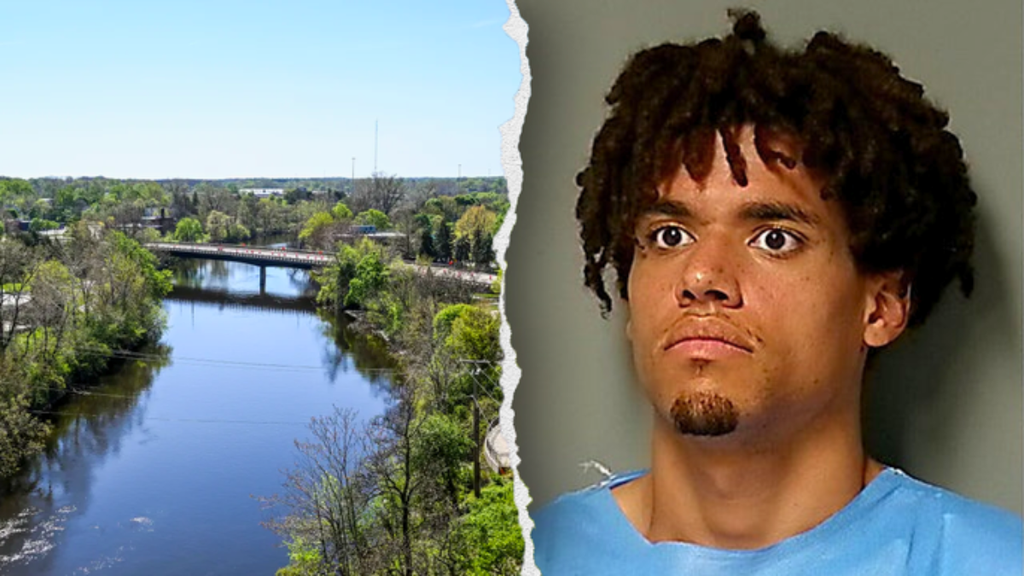
Michigan Serial Killer Fear Grows as Expert Spots Clue as former FBI profiler warns five deaths may reveal vital evidence in Lansing’s chilling trail cases.
Michigan Serial Killer Fear Grows as Expert Spots Clue as a former FBI profiler warns investigators may find valuable forensic evidence. Authorities are examining five deaths near the Lansing River Trail in Michigan. The cases share disturbing similarities, but police have not confirmed a serial killer connection. One suspect faces charges in a single case, while the other deaths remain under investigation.
Former FBI Profiler Warns of Critical Evidence
Former FBI profiler Mary Ellen O’Toole believes the outdoor crime scenes could hold important clues. She explained that an offender may leave evidence behind after attacking victims in exposed areas.
O’Toole noted that outdoor attacks create significant risks for offenders. They must approach victims, commit the crimes, and leave without attracting attention. Investigators may find biological material, trace evidence, or other clues at these locations.
She also suggested that offenders might overlook evidence while attempting to escape. Careful forensic examinations could help detectives identify suspects or connect separate crimes.
Why Crime Scene Evidence Matters
Forensic evidence can help investigators establish links between otherwise separate cases. DNA, fingerprints, fibers, and other traces may reveal contact between victims and suspects.
However, investigators must evaluate every finding carefully. A shared location or similar injury does not automatically prove that one person committed multiple crimes.
Police will likely compare evidence from each scene to identify meaningful patterns. They must also consider alternative explanations before drawing conclusions.
Five Deaths Raise Alarms Along Lansing River Trail
Authorities are investigating five deaths reported near the Lansing River Trail over roughly eleven months. The trail runs through Michigan’s capital and connects areas near Michigan State University.
The cases began with Gino Chouinard, 54, who was found unconscious in October 2025. He died later that month, but officials have not determined his cause of death.
In July 2026, Denis Dunnebacke, 70, was found unresponsive. He died days later, and authorities had not established his cause of death.
Robert Smith, 57, suffered severe head injuries in another July incident. He later died, and the medical examiner ruled his death a homicide.
A Separate Stabbing Case Has an Arrest
Daniel Lusk, 22, died after a stabbing near the trail in August 2026. Authorities arrested Edward Joseph Smith in connection with that killing.
The suspect faces an open murder charge in Lusk’s death. Investigators have not publicly linked him to the other deaths.
Louis Woodruff, 57, was found with severe facial injuries later in August. He died in September, and authorities classified his death as a homicide.
Police say four of the five cases involved blunt-force trauma to the face. No weapon has been recovered in the cases under review.
Police Have Not Confirmed a Serial Killer
Lansing Police Chief Robert Backus has urged the public to avoid premature conclusions. He confirmed that investigators are exploring whether the deaths share a connection.
Authorities continue to treat each case as an active investigation. Detectives are examining timelines, forensic findings, and similarities between the victims’ circumstances.
Reports indicate that all five victims were unhoused men. Investigators believe some may have been sleeping when attackers approached them overnight.
That possibility presents serious challenges for detectives. Attacks in quiet areas often leave few witnesses and limited surveillance footage.
Investigators May Expand Their Search Beyond Michigan
O’Toole said investigators could examine other unsolved homicides across Michigan and neighboring states. Serial offenders sometimes travel between jurisdictions, making broader comparisons important.
Detectives may also review earlier attacks that could reveal an offender’s developing pattern. Such investigations require careful comparisons of evidence, victim profiles, and crime-scene details.
Still, investigators have not established that one person committed these five deaths. Officials must verify any connection before identifying a possible serial offender.
What Happens Next in the Lansing Investigation?
Police continue collecting evidence and reviewing the circumstances surrounding each death. They have increased patrols and introduced additional surveillance measures along parts of the trail.
Authorities have also encouraged the public to share information that could help solve the cases. Tips may help investigators establish timelines or identify people who saw suspicious activity.
Forensic testing could provide a crucial breakthrough if investigators discover matching evidence across multiple scenes. However, officials have not announced a confirmed link between the five deaths.
The case remains unresolved, and the public should distinguish expert analysis from established findings. For now, investigators are pursuing every credible lead as they work to determine what happened.
Also read: Mexico Surf Trip Horror: 3 Men Convicted of Murder








