Strait of Hormuz Oil Traffic Gains Momentum, CENTCOM Says
Oil traffic through the Strait of Hormuz is surging, with CENTCOM signaling momentum in the key energy corridor amid ongoing Iran war tensions.
Oil traffic through the strategically vital Strait of Hormuz is gaining momentum, according to the US Central Command (CENTCOM), as Washington continues efforts to secure commercial shipping routes amid the ongoing Iran war.
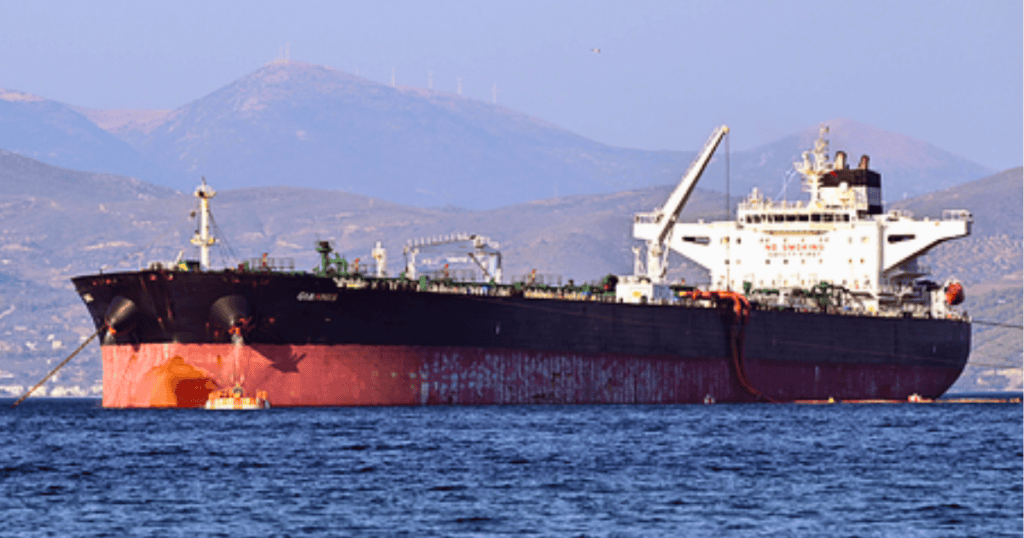
CENTCOM Commander Adm. Brad Cooper said on September 19 that more than 1 billion barrels of crude oil had moved through the strait in recent months, alongside thousands of commercial ship movements.
CENTCOM Reports Surge in Oil Shipments
In a video statement, Cooper said US forces had supported the movement of more than 1 billion barrels of crude oil out of the Gulf through the Strait of Hormuz over the past few months.
The US military has also assisted more than 2,000 commercial ship transits through the waterway by providing coordinated protection, Cooper said.
“Clearly, momentum is building,” the CENTCOM chief added, pointing to increased commercial activity along the critical maritime corridor.
According to Cooper, the volume of crude oil, cargo and liquefied natural gas transported through the strait over the preceding two weeks was higher than at any point in the previous six months.
Strait of Hormuz Remains Critical to Global Energy
The Strait of Hormuz is one of the world’s most important energy shipping routes, connecting the Persian Gulf with the Gulf of Oman and the wider Indian Ocean.
Before the Iran war disrupted regional shipping, approximately one-fifth of global oil and liquefied natural gas supplies passed through the narrow waterway.
Disruptions to commercial traffic have raised concerns about energy security, oil prices and the stability of international supply chains.
CENTCOM said the primary shipping lanes through the strait are now clear of sea mines, while US forces continue coordinating with regional partners to maintain maritime security.
US-Iran Tensions Continue to Shape Shipping Activity
Despite the reported increase in oil shipments, the Strait of Hormuz remains a focal point of tensions between Washington and Tehran.
The United States has maintained a blockade targeting Iranian maritime trade, while continuing operations aimed at protecting commercial vessels and keeping international shipping lanes open.
Cooper said the US military was working with Gulf Cooperation Council partners, insurance companies and shipping operators to increase traffic through the strait.
CENTCOM also highlighted ongoing efforts to strengthen regional air defences and establish a coalition attack-drone unit.
What the Oil Traffic Surge Means for Energy Markets
The reported rise in shipping activity could offer some reassurance to energy markets concerned about prolonged disruptions in the Gulf.
However, increased traffic does not necessarily mean that oil shipments have returned to pre-war levels or that the risk to commercial vessels has disappeared.
The Strait of Hormuz remains a critical chokepoint for global energy supplies, and developments affecting its accessibility could continue to influence oil prices, shipping costs and international energy security.
CENTCOM’s latest assessment signals progress in restoring commercial movement through the waterway, although the broader impact will depend on whether the increase in traffic can be sustained amid continuing regional tensions.
Also read: Women’s Testosterone Use Surges, Doctors Warn of Risks