France Orders Curfews as Riots Spark Fierce Crisis amid unrest as officials target violent hotspots after looting, clashes and arrests across major cities.
France Orders Curfews as Riots Spark Fierce Crisis as officials contain unrest after violent protests, looting and clashes with police.
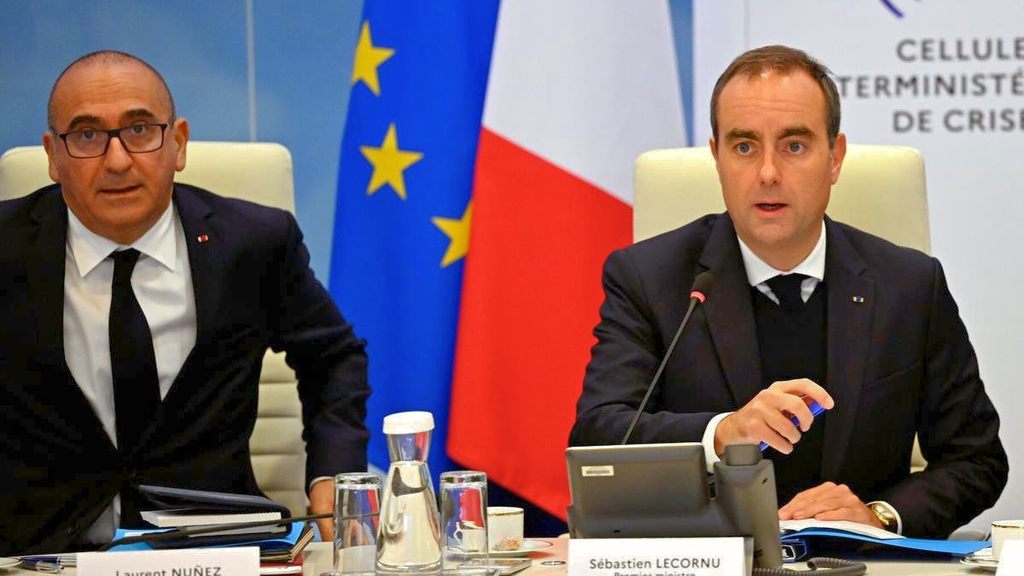
French authorities are tightening security following a weekend of nationwide demonstrations that escalated into widespread violence. Prime Minister Sébastien Lecornu has instructed regional officials to introduce limited, localized curfews in affected areas. The government hopes these measures will protect residents, businesses, and public property.
France Orders Local Curfews After Nationwide Rioting
The French government announced targeted restrictions on Monday, October 19, following serious disturbances across several major cities. Officials want to prevent further vandalism and restore public safety without immediately imposing nationwide emergency measures.
Lecornu emphasized that local curfews offer a more appropriate response to the current situation. He ruled out a blanket curfew in Paris but left open the possibility of stronger action.
Authorities expect local officials to determine which neighborhoods require restrictions. The measures aim to protect vulnerable communities and businesses facing continued threats from looting and street violence.
Why French Authorities Are Tightening Security
The unrest followed weeks of student demonstrations over rising living costs and declining public services. Protesters also raised concerns about school conditions, economic inequality, and government spending priorities.
Although many demonstrations remained peaceful, violent groups attacked businesses and public buildings. Clashes with police intensified in several locations, creating serious challenges for security forces.
The government deployed approximately 60,000 police officers and other security personnel during the weekend. However, officials acknowledged that security forces struggled to control violent crowds in certain cities.
Riots and Looting Damage Businesses Across France
The violence caused widespread damage to shops, public buildings, and commercial districts. Authorities reported that nearly 3,000 businesses experienced damage or disruption during the unrest.
Paris, Marseille, and Lyon faced disturbances as crowds moved through central streets and commercial areas. Luxury boutiques, supermarkets, and other retailers reported break-ins, vandalism, or looting.
In Limoges, a historic city hall suffered severe fire damage. Meanwhile, Marseille experienced attacks on commercial properties and public facilities, adding pressure on local authorities.
More Than 2,400 Arrests Reported
French authorities reported approximately 2,400 arrests connected to the weekend’s unrest. Nearly 1,000 police officers also suffered injuries, highlighting the scale of the confrontations.
Investigators are examining available footage and other evidence to identify people suspected of committing crimes. Officials have also targeted online listings that allegedly offer stolen goods for resale.
Business representatives have urged the government to support affected retailers. Many shop owners face expensive repairs, lost income, and uncertainty about reopening safely.
Macron Faces Pressure Over Security Failures
President Emmanuel Macron has faced renewed scrutiny over the government’s handling of the unrest. Interior Minister Laurent Nuñez offered his resignation, but Macron rejected it on Monday.
The president instead demanded greater transparency about intelligence and planning failures. He also instructed the interior minister to develop measures that improve security operations.
Government Considers Stronger Measures
Lecornu has not ruled out declaring a state of emergency if conditions deteriorate. For now, the government considers targeted curfews more suitable than nationwide restrictions.
Officials must balance public safety with citizens’ rights to demonstrate peacefully. Any additional measures could influence how authorities manage protests during the coming days.
Political tensions are also increasing as France approaches its next presidential election. Opposition figures have challenged the government’s security response and demanded accountability for the damage.
Rising Living Costs Fuel Public Anger
Economic pressure remains a central factor behind the demonstrations. Many protesters blame rising expenses and deteriorating public services for worsening household difficulties.
Students have also raised concerns about school facilities and educational resources. These grievances helped expand the demonstrations beyond their original local focus.
However, the violence has complicated the protesters’ message. Attacks on businesses and public buildings have shifted attention toward law enforcement, criminal responsibility, and the government’s ability to maintain order.
What Happens Next in France?
Authorities are expected to clarify which locations will face curfews and how long restrictions might remain. Residents should follow official local announcements for accurate information about movement restrictions and public safety measures.
Police presence may increase in commercial districts and other areas considered vulnerable to further disturbances. Officials are also working to identify suspects and prevent stolen merchandise from circulating through online marketplaces.
France now faces the challenge of restoring order while addressing the economic concerns behind the demonstrations. The effectiveness of localized curfews will depend on enforcement, public cooperation, and the government’s response to continuing grievances.
Ultimately, the coming days will test France’s ability to contain violence without escalating restrictions unnecessarily. The government must protect communities, support damaged businesses, and rebuild confidence in public security.
Also read: ‘The Chosen’ Star Sparks Fierce Backlash Over Democrat