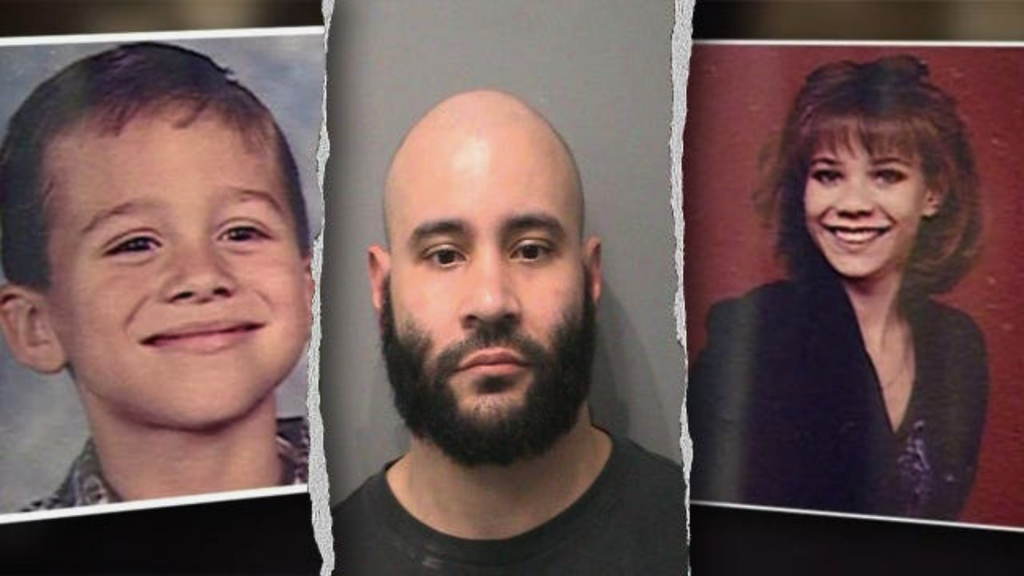
Indiana prosecutors charge Michael Jerome James in a shocking 2006 double murder case after a new law resolves a longstanding juvenile justice legal gap.
Indiana prosecutors have charged Michael Jerome James in a shocking double murder case after a new law resolved a longstanding legal barrier. Investigators reportedly identified James years earlier, but his age at the time of the alleged killings complicated prosecution under Indiana’s juvenile justice system.
Indiana Double Murder Case Reopens After Nearly Two Decades
Authorities have charged James in the deaths of Blake Dickus, 10, and his stepmother, Chynna Dickus, 26. Investigators found both victims dead inside their Franklin, Indiana, home on July 24, 2006.
Prosecutors allege that James killed the victims during a burglary or attempted burglary. The allegations remain subject to the criminal court process, and the defendant is entitled to the presumption of innocence.
James, now 35, appeared in Johnson Circuit Court on October 8, 2026, following a grand jury indictment. He faces four counts of murder connected to the deaths.
Why Investigators Could Not File Charges Earlier
According to prosecutors, investigators identified James as a suspect years before the indictment. However, his age at the time created a complicated legal obstacle that authorities could not easily overcome.
James was 14 when the killings occurred. Indiana’s earlier juvenile jurisdiction rules created uncertainty about whether adult courts could prosecute someone for serious crimes allegedly committed as a minor when authorities brought charges years later.
That legal gap delayed the case for years, despite investigators continuing to pursue a viable route toward prosecution.
New Indiana Law Creates a Path to Prosecution
Lawmakers Address a Longstanding Legal Problem
Indiana lawmakers changed the law in 2023 to address certain cases involving alleged juvenile offenders who faced adult prosecution after aging out of the juvenile system. However, subsequent court rulings limited the statute’s application.
The Indiana Court of Appeals rejected the statute’s application in another case, and the state Supreme Court later reached the same conclusion. Those decisions forced prosecutors to reconsider their legal strategy.
Lawmakers subsequently adopted another statute in 2025, giving prosecutors a new legal basis to pursue certain cases involving serious offenses allegedly committed during childhood.
Johnson County prosecutors say the updated law finally provided the mechanism needed to bring charges against James.
Legal Challenges Could Still Shape the Case
Despite the indictment, the case could face additional legal challenges over whether the updated law applies to alleged offenses committed in 2006. Defense attorneys may question whether prosecutors can legally pursue adult charges under legislation enacted years after the alleged crimes.
Such a challenge could determine whether the court has jurisdiction to proceed with the murder prosecution. The outcome may also influence how Indiana handles similar cases involving alleged juvenile offenders identified long after serious crimes occurred.
What Happened to Blake Dickus and Chynna Dickus?
Investigators determined that both victims suffered fatal injuries inside their family home in Franklin. Blake reportedly sustained multiple stab wounds, blunt-force injuries, and signs of smothering.
Their deaths devastated the family and left investigators facing difficult questions for years. Blake’s father, Sean Dickus, discovered the bodies after returning home, according to reports about the investigation.
The lengthy delay between the killings and the indictment highlights the complex relationship between criminal investigations and legal jurisdiction. Even when investigators identify a suspect, prosecutors must establish a lawful basis for bringing charges.
Why This Case Matters for Juvenile Justice
The prosecution raises important questions about accountability, juvenile justice, and the limits of retroactive legal changes. Legislatures must balance the pursuit of justice with constitutional protections for defendants.
Cases involving alleged crimes committed during adolescence can present unusual challenges when investigators identify suspects only after adulthood. Legal systems must determine which court has authority while respecting the laws that applied to the alleged conduct.
Indiana’s latest legal change could become significant if courts uphold its application in this case. For now, the prosecution’s next steps will help determine whether the long-delayed double murder case proceeds to trial.
What Comes Next in the Indiana Murder Case?
James told the court that he did not yet have an attorney but planned to obtain one. The judge gave him until November 2, 2026, to hire legal representation and scheduled his next status hearing for that date.
The upcoming proceedings may clarify whether the defense intends to challenge the court’s jurisdiction. That question could prove central to the prosecution’s ability to move forward.
The case remains a significant example of how legal barriers can delay criminal charges, even when investigators have identified a suspect. Its outcome may influence future debates about juvenile jurisdiction, criminal accountability, and justice for victims.
Also read: Teen Killer Dashcam Twist: Shocking Clue in Double Murder Case