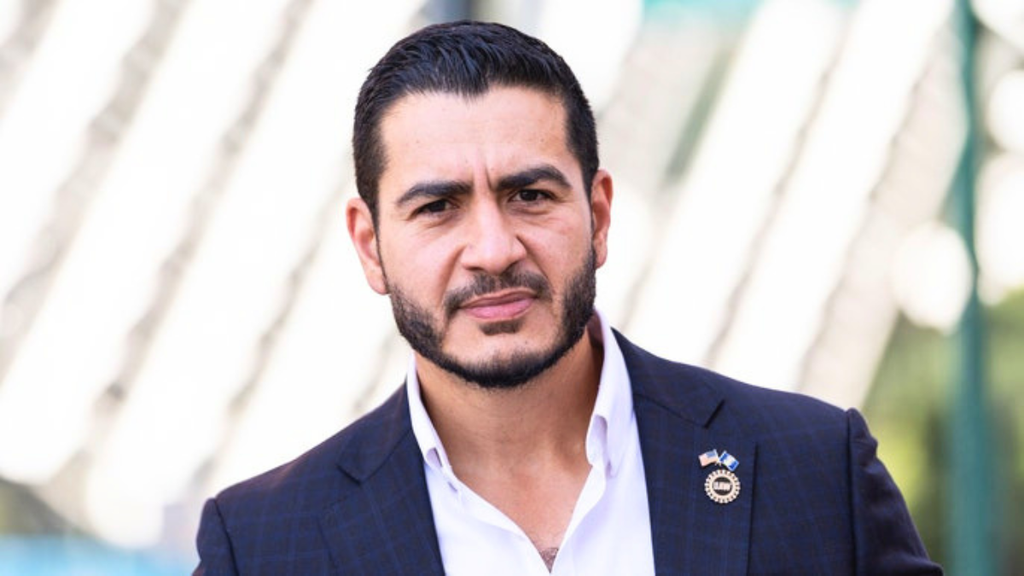
Harsh Abdul El-Sayed comments spark controversy as a CBS News correspondent apologizes and deletes a post, raising questions about media bias.
Harsh El-Sayed Backlash Sparks CBS News Apology after a correspondent faced criticism over social media remarks about Abdul El-Sayed and a question concerning the Muslim Brotherhood. The controversy drew attention to journalistic standards, political commentary, and the responsibilities reporters carry when discussing sensitive public issues.
CBS News Correspondent Faces Backlash Over El-Sayed Remarks
A CBS News correspondent reportedly apologized after facing criticism for a social media post targeting Abdul El-Sayed. The journalist subsequently deleted the post, drawing further attention to the exchange and its implications for professional media conduct.
The dispute centered on comments describing El-Sayed’s response to a question about the Muslim Brotherhood as a “spectacular self-own.” The wording triggered debate over whether journalists should publicly criticize political figures in such pointed terms.
The incident highlights the challenges reporters face when using personal social media accounts. Their online commentary can quickly raise questions about impartiality, credibility, and the distinction between reporting and personal opinion.
Why Abdul El-Sayed Became the Focus of Controversy
Abdul El-Sayed has attracted public attention through his political involvement and outspoken positions on policy issues. Questions involving political movements and religious organizations can generate particularly intense reactions because they intersect with identity, security, and public debate.
The Muslim Brotherhood Question Draws Attention
The controversy reportedly followed an exchange involving a question about the Muslim Brotherhood. The correspondent’s subsequent social media criticism turned attention toward the journalist’s wording rather than keeping the discussion focused solely on El-Sayed’s response.
Political questions involving the Muslim Brotherhood often generate competing interpretations across ideological lines. Responsible reporting requires journalists to distinguish established facts from allegations, personal judgments, and politically charged characterizations.
The episode illustrates how a brief social media post can reshape public discussion. Instead of focusing exclusively on the original exchange, audiences began examining the correspondent’s language and professional responsibilities.
Deleted Post and Apology Put Media Standards Under Scrutiny
The correspondent’s reported apology and decision to remove the post became central developments in the controversy. Such actions can signal recognition that public commentary may create unintended consequences for a journalist’s professional reputation.
Why Journalistic Impartiality Matters
News organizations depend on public confidence in their reporting and editorial judgment. Audiences expect correspondents to distinguish factual coverage from personal reactions, especially when discussing contentious political and religious subjects.
Social media complicates that responsibility because journalists can publish immediate reactions before considering how audiences might interpret their words. Even a deleted post can continue circulating through screenshots, commentary, and online discussions.
An apology may help address criticism, but rebuilding trust often requires consistent professional judgment. News organizations must balance individual expression with their responsibility to maintain credible and fair reporting.
Political Commentary and Media Bias Debate Intensifies
The dispute also raises broader questions about media bias and political accountability. Critics may interpret pointed remarks as evidence of partisan attitudes, while others may view them as ordinary commentary within a heated political conversation.
However, evaluating a journalist’s impartiality requires more than examining one isolated social media post. Audiences should consider the broader reporting record, the surrounding context, and whether coverage accurately represents competing viewpoints.
The incident demonstrates why transparency matters when journalists discuss controversial public figures. Clear distinctions between news reporting, analysis, and personal opinion help readers assess information without confusing commentary with verified facts.
What the Controversy Means for CBS News
The reported apology has renewed attention to the relationship between journalists’ online conduct and their professional roles. Correspondents increasingly face scrutiny because their public profiles connect personal statements with the news organizations they represent.
CBS News and other major media organizations operate in an environment where public trust remains essential. Controversies involving reporters’ social media activity can influence perceptions of editorial independence, even when a disputed post does not appear in formal news coverage.
Ultimately, the Harsh Abdul El-Sayed controversy illustrates the importance of careful language and accountability in modern journalism. The episode also underscores how political disagreements can quickly become broader debates about fairness, credibility, and responsible media behavior.