A woman says Flock camera technology wrongly linked her to a fatal crash, leading to 13 days in jail despite her car showing no damage.
Woman Says Flock Camera Triggered Wrongful Arrest
A woman who says she was wrongly arrested after a deadly vehicle crash is raising concerns about the growing use of automated license plate reader technology by police.
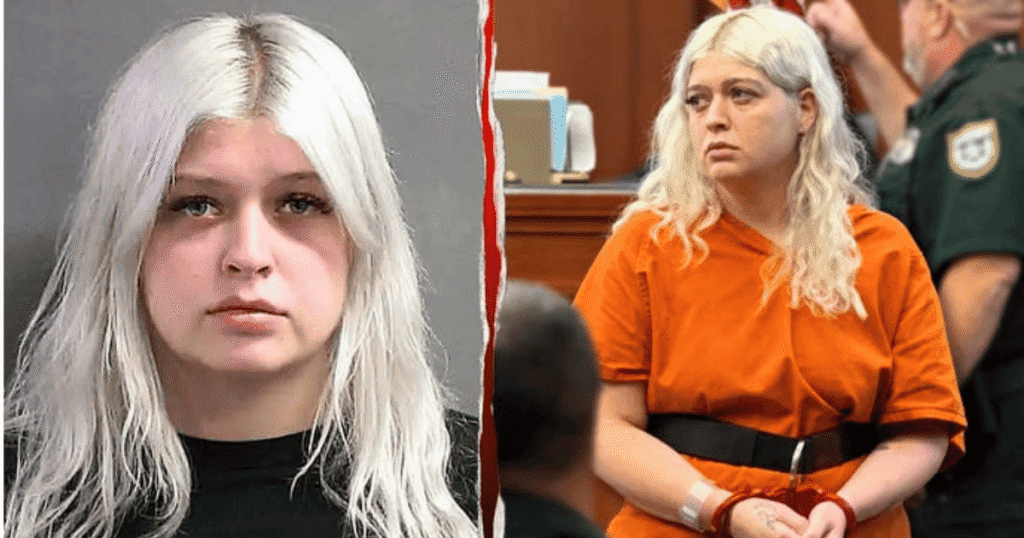
The woman told Fox News Digital that information captured by a Flock Safety camera helped investigators connect her vehicle to a fatal crash, ultimately leading to her spending 13 days in jail.
She maintains that she had nothing to do with the crash and points to what she says is a crucial piece of evidence: her vehicle showed no crash damage.
Police Used Flock Camera Information
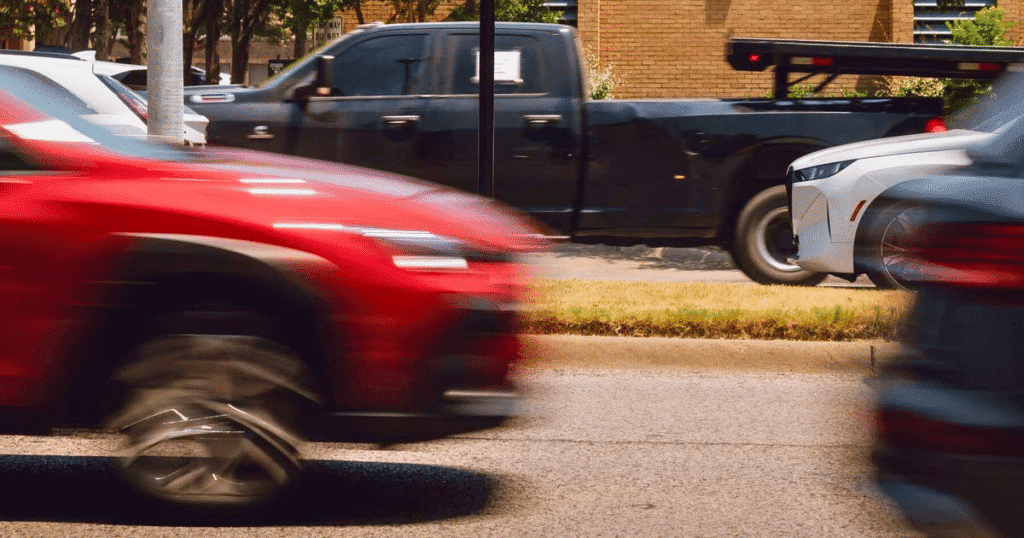
Flock cameras are automated license plate readers designed to capture information about vehicles traveling through areas where the systems are installed.
Law enforcement agencies increasingly use the technology to help identify vehicles connected to crimes and investigations.
In this case, however, the woman says the technology contributed to investigators identifying her vehicle in connection with the fatal collision.
The resulting investigation ultimately led to her arrest, despite her insistence that she was innocent.
Woman Spent 13 Days Behind Bars
The woman says the experience left her devastated as she spent nearly two weeks in jail over a crash she says she did not cause.
Her case highlights the potential consequences when automated surveillance technology becomes an important part of a criminal investigation.
Even when license plate reader data accurately identifies a vehicle’s location, the information does not necessarily establish who was driving or what the vehicle was doing at that time.
‘Zero Crash Damage’ Raises Questions
One of the central issues in the woman’s account is the condition of her vehicle.
She says her car had zero crash damage, raising questions about how investigators connected it to the fatal incident.
Vehicle damage can sometimes provide investigators with physical evidence linking a car to a collision. The absence of such damage, however, does not by itself resolve every question surrounding a crash investigation.
The case nevertheless illustrates the challenges authorities face when automated camera data is combined with other investigative evidence.
Growing Debate Over License Plate Readers
Flock cameras have expanded rapidly across the United States as police departments look for new ways to investigate crimes.
Supporters argue that automated license plate readers can help officers locate stolen vehicles, identify suspects and solve serious crimes more quickly.
Privacy advocates and civil liberties groups have raised concerns about the amount of location information that can be collected and how long that information is retained.
Critics also warn that camera data can potentially place innocent people near criminal investigations simply because their vehicles were recorded in a particular location.
Technology Can Provide Leads, Not the Whole Story
The case underscores an important distinction between identifying a vehicle and proving criminal responsibility.
A license plate reader may establish that a particular vehicle was detected at a certain location, but additional evidence may be needed to determine who was driving and whether that person was involved in a crime.
For the woman at the center of the case, the consequences were severe. She says the technology helped set off a chain of events that ultimately put her behind bars for 13 days.
Flock Technology Faces New Scrutiny
As automated license plate readers become more common, cases involving disputed identifications are likely to fuel the debate over how police should use the technology.
The woman’s experience raises broader questions about safeguards, verification and the need for investigators to corroborate automated surveillance information before taking action against a suspect.
For Americans concerned about privacy and law enforcement technology, the case offers a stark example of how data collected by cameras can potentially have significant consequences for someone who says they were completely uninvolved in a crime.
Also read: $54M Foundation Reappears After California Shutdown
Satta Matka 16