
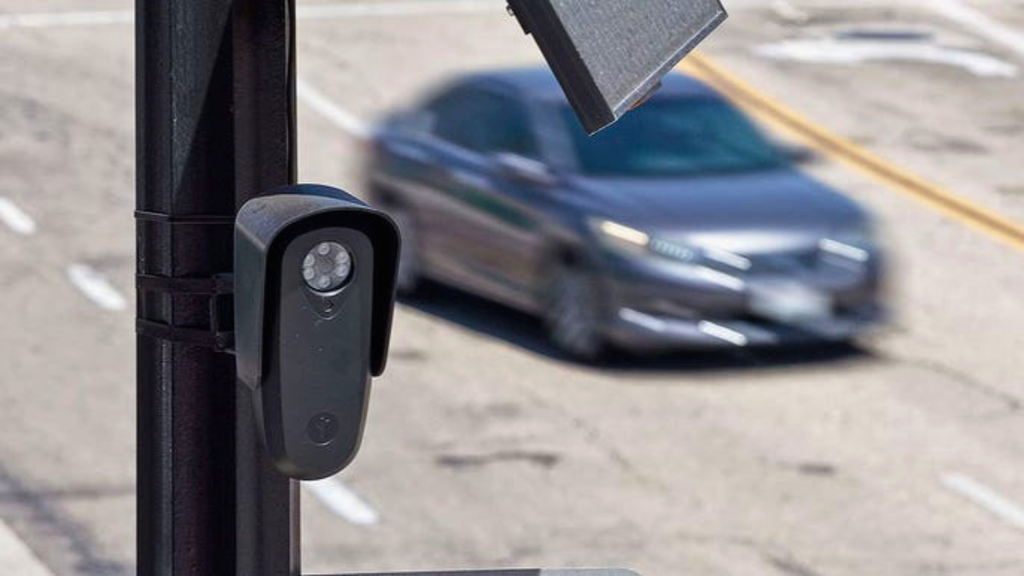
Crime Cameras Spark Fear as Americans Ask Who’s Watching as Flock defends its tools while privacy advocates warn of tracking, misuse and unchecked surveillance.
Crime Cameras Spark Fear as Americans Ask Who’s Watching as communities debate whether surveillance technology protects public safety or threatens personal privacy. Flock Safety defends its camera network as a valuable crime-fighting tool, while civil liberties advocates question its reach, safeguards and potential misuse. The growing backlash has turned automated license plate readers into a national debate about security and freedom.
How Flock Cameras Became a National Flashpoint
Flock Safety operates automated cameras that photograph passing vehicles and read their license plates. Police can search the resulting records to support investigations involving stolen vehicles, hit-and-run crashes and other crimes.
The company says its technology helps officers identify suspects and develop investigative leads. However, critics argue that collecting vehicle movements across communities creates serious privacy risks.
The debate now reaches beyond individual police departments. Residents and local officials increasingly question who can access the information, how agencies use it and how long companies retain records.
What the Cameras Actually Capture
Flock’s automated license plate readers record vehicle plates and images as cars pass. Depending on the system, they can also identify details such as vehicle make, model and color.
The technology generally focuses on vehicles rather than identifying every person inside them. Nevertheless, repeated scans can help investigators reconstruct a vehicle’s movements across multiple locations.
That capability raises concerns about tracking people without their knowledge. Privacy advocates warn that authorities could use accumulated records to reveal sensitive travel patterns.
Flock Defends Technology With Crime-Fighting Claims
Flock representatives argue that the cameras help police investigate a wide range of offenses. Company public affairs manager Phil Arnold has highlighted their usefulness in cases involving stolen vehicles, property crimes and violent incidents.
The company has also presented figures suggesting higher crime-clearance rates in some communities using its technology. Those comparisons have become central to its defense amid growing criticism.
However, comparing different cities does not establish that cameras alone caused better results. Differences in policing strategies, staffing, crime patterns and investigative resources could also influence outcomes.
Why Critics Question the Crime Statistics
Civil liberties advocates caution against treating comparisons between communities as proof of effectiveness. Different locations may have very different crime rates and investigative practices.
Critics also question broad claims about the number of crimes the technology helps solve. They argue that investigative leads, searches and cases directly cleared through evidence represent different outcomes.
Consequently, they want clearer methods, independently verifiable data and greater transparency. Better evidence could help communities assess whether the benefits justify the privacy costs.
Privacy Advocates Warn About Constant Surveillance
The American Civil Liberties Union has raised concerns about widespread license plate tracking and the potential for misuse. Its advocates argue that extensive databases can expose where people travel over time.
These concerns extend beyond ordinary criminal investigations. Critics worry that authorities could use surveillance records to track people for personal reasons or investigate activities unrelated to legitimate law enforcement.
Reports of officers misusing camera systems have intensified those fears. Such incidents have prompted calls for stronger oversight, strict access controls and meaningful consequences for improper searches.
Could Surveillance Records Reveal Private Lives?
A single camera scan may reveal little about a person’s daily routine. A network of cameras, however, can build a more detailed picture through repeated observations.
Patterns of travel might reveal visits to workplaces, medical facilities, religious institutions or political gatherings. Privacy advocates argue that this information deserves careful protection, even when cameras operate in public spaces.
Supporters counter that police need practical tools to investigate crimes. The central challenge involves allowing legitimate investigations while preventing unnecessary or abusive monitoring.
Public Backlash Puts Camera Policies Under Pressure
Communities across the United States are reconsidering how they deploy automated license plate readers. Some local governments have reviewed contracts, restricted access or ended partnerships amid concerns about privacy and accountability.
The controversy has also attracted national political attention. Critics from different political backgrounds have questioned whether private companies should maintain extensive vehicle databases used by law enforcement.
Flock has faced pressure to strengthen its safeguards. The company has announced measures intended to improve oversight, including requirements tied to search records and tools designed to flag unusual activity.
What Stronger Safeguards Could Mean
Clear rules could require officers to connect searches to specific investigations. Independent audits could also help identify suspicious access and discourage personal or unauthorized use.
Communities may additionally demand limits on data retention and tighter restrictions on information sharing. Public reporting could show residents how often agencies use the systems and whether officials follow established policies.
Yet safeguards work only when agencies enforce them consistently. Residents also need accessible complaint procedures and credible investigations when misuse occurs.
The Bigger Question: Safety or Personal Freedom?
The dispute over Flock cameras reflects a broader challenge facing modern policing. Technology can help investigators find evidence quickly, but its reach can also expand government surveillance.
Supporters emphasize the potential to recover stolen vehicles, identify suspects and assist investigations. Opponents argue that public safety should not require building systems capable of tracking ordinary people’s movements.
Neither argument removes the need for reliable evidence and meaningful accountability. Communities must examine results, understand the risks and decide what limits they consider acceptable.
Americans Demand Answers About Who Is Watching
Flock’s cameras have become a symbol of the growing tension between crime prevention and privacy. As deployment expands, public trust will depend on transparent policies and credible protections against abuse.
The company continues to defend its technology as useful for law enforcement. Meanwhile, civil liberties advocates insist that stronger oversight must accompany any system capable of tracking vehicles across communities.
Ultimately, the debate asks a simple but consequential question: how much surveillance should society accept in exchange for greater security? The answer will shape not only camera policies, but also the future boundaries of privacy in public life.
Also read: El-Sayed Fires Back at Portnoy With Brutal Body Jab








