Supreme Court Deals Trump a Major Immigration Win: Justices keep Biden-era rule blocked, limiting judges’ power to pause deportation cases for now in America.
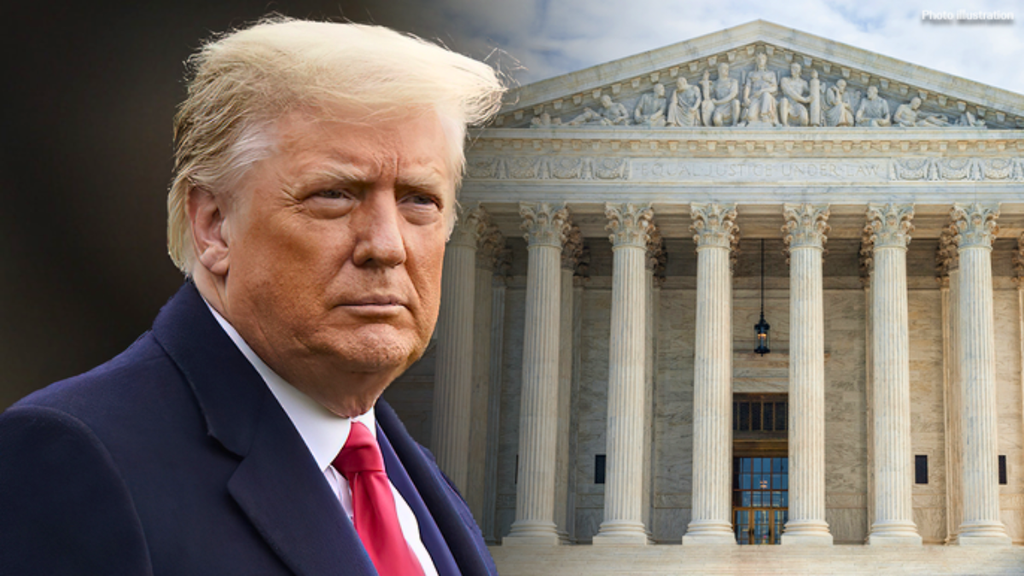
Supreme Court Deals Trump a Major Immigration Win: justices declined Tuesday to restore Biden-era rules governing deportation proceedings. The decision delivers another significant victory for President Donald Trump’s immigration agenda while raising concerns among immigrant advocates and Democratic-led cities.
Supreme Court Rejects Challenge to Biden-Era Immigration Rule
The Supreme Court refused to intervene in a legal dispute over a federal immigration regulation established during former President Joe Biden’s administration. The decision leaves a lower court order blocking the policy in effect, restricting immigration judges’ ability to pause certain deportation proceedings.
The disputed regulation allowed judges to temporarily suspend cases involving immigrants pursuing legal protections or other forms of immigration relief. Supporters argued that administrative closure helped courts manage caseloads while allowing vulnerable individuals to pursue legitimate legal options.
However, Texas officials challenged the policy, arguing that the Biden administration expanded judicial discretion beyond its intended purpose. The Trump administration subsequently joined Texas in seeking to eliminate the regulation through a court settlement.
Why the Supreme Court Decision Matters
The court’s refusal to intervene means immigration judges cannot rely on the blocked policy to pause proceedings under its previous framework. The decision preserves the immediate effects of the lower court ruling without resolving every underlying legal question.
Three cities and an immigrant advocacy organization had asked the justices to restore the regulation while litigation continued. Baltimore, Columbus, and New Haven argued that the settlement undermined their ability to protect residents and challenge federal immigration decisions.
Their emergency appeal sought to challenge the process that eliminated the Biden-era immigration rule. The Supreme Court rejected that request without providing a detailed explanation for its decision.
How Trump’s Legal Strategy Helped Block the Rule
The legal battle took an unusual turn when the Trump administration declined to defend the immigration regulation against Texas’s lawsuit. Instead, federal officials agreed with the state that the policy should no longer remain in effect.
Texas Attorney General Ken Paxton argued that administrative closure allowed immigrants to remain in the country indefinitely. His challenge targeted the federal government’s authority to permit judges to suspend deportation cases through the disputed procedure.
A federal judge accepted the agreement and issued an order blocking the regulation. The cities and advocacy group subsequently sought permission to intervene, arguing that the agreement bypassed procedures normally required to repeal federal regulations.
What Is Administrative Closure in Immigration Court?
Administrative closure allows immigration judges to temporarily remove cases from their active calendars without dismissing them. Courts can potentially reopen those cases later, depending on the circumstances and applicable legal requirements.
Under the Biden-era framework, judges could use this procedure in certain cases involving people seeking separate immigration benefits. These situations could include individuals pursuing protections available to some crime victims or people seeking legal status through family relationships.
Supporters said the process gave applicants time to pursue relief while reducing unnecessary pressure on immigration courts. Critics countered that broad use of administrative closure could delay deportation proceedings for extended periods.
The Supreme Court’s latest decision leaves the challenged restrictions in place, limiting access to that procedural option. However, the ruling does not mean every affected immigrant automatically faces deportation or loses eligibility for other legal protections.
Cities Warn of Consequences for Immigrant Communities
Baltimore, Columbus, and New Haven joined the legal challenge because the disputed policy could affect residents and local communities. The cities argued that removing administrative closure could create additional hardships for immigrants with pending legal applications.
Their concerns included potential consequences for crime victims who cooperate with law enforcement while pursuing immigration protections. Advocates warned that deportation fears could discourage some victims from reporting crimes or assisting criminal investigations.
The legal challenge also raised questions about local economic interests and the effects of immigration enforcement. The cities argued that deportations could disrupt families, employment, and community relationships across their jurisdictions.
What Happens to Immigrants With Pending Cases?
The ruling preserves restrictions on immigration judges’ ability to pause cases under the blocked regulation. Individual outcomes will still depend on immigration law, eligibility requirements, court procedures, and each person’s circumstances.
People facing removal proceedings may have other legal options, depending on their particular cases. The Supreme Court’s decision does not independently determine whether any individual qualifies for asylum, a visa, or another form of immigration relief.
Immigration attorneys and advocates will likely continue examining possible legal challenges to the agreement. Further proceedings could address whether the cities can participate in the underlying lawsuit or pursue additional appeals.
What the Supreme Court Ruling Means for Trump’s Immigration Agenda
The decision reinforces the administration’s efforts to tighten immigration enforcement and reduce procedural obstacles to deportation. It also highlights how litigation and settlements can reshape federal immigration policy without new legislation.
For Trump, the outcome represents a legal victory in a broader effort to reverse Biden-era immigration measures. For opponents, the ruling raises concerns about transparency, judicial discretion, and the federal government’s process for eliminating regulations.
The immediate legal effect remains clear: the Biden-era administrative closure policy stays blocked following the Supreme Court’s refusal to intervene. Yet the broader dispute over immigration enforcement, court authority, and procedural protections remains unresolved.
As the legal battle continues, further proceedings could determine whether challengers gain another opportunity to contest the agreement. The outcome may influence how immigration courts handle pending deportation cases and vulnerable applicants nationwide.
Also read: FBI Raids Beverly Hills Mansion in Swalwell Probe