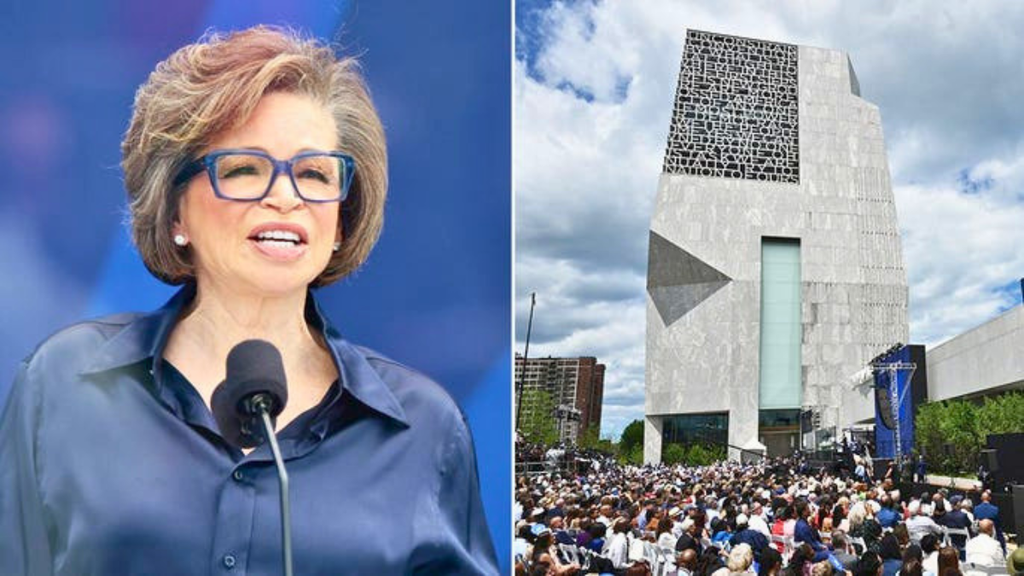
Obama Foundation CEO salary draws scrutiny as workers seek union representation, raising questions about pay inequality, executive compensation and workplace fairness.
The Obama Foundation CEO salary has drawn renewed attention as employees seek union representation and raise concerns about workplace fairness. The dispute highlights growing tensions over executive compensation, income inequality and workers’ rights within the prominent nonprofit organization.
Obama Foundation CEO Salary Draws Scrutiny
The debate over executive pay has intensified as foundation employees pursue collective bargaining rights. Their organizing efforts have placed leadership compensation and employee workplace conditions under increased public scrutiny.
Critics argue that large salary packages can raise questions about priorities when staff members seek better workplace protections. The discussion also reflects broader concerns about income inequality across major charitable organizations and nonprofit institutions.
Executive Compensation Fuels Debate
The Obama Foundation operates programs focused on leadership development, civic engagement and community initiatives. Its public profile has attracted attention to how the organization allocates resources and compensates senior executives.
CEO compensation often reflects an organization’s size, responsibilities and operating budget. However, employees may evaluate those figures differently when they consider wages, benefits and job security.
Public scrutiny does not automatically establish misconduct or financial mismanagement. Instead, the debate highlights competing expectations about leadership pay, organizational accountability and the treatment of employees.
Workers Push for Union Representation
Foundation employees seeking union representation want a stronger collective voice in workplace decisions. Union organizing can give workers a formal process to negotiate wages, benefits, working conditions and employment protections.
The campaign also places labor rights at the center of a wider discussion about nonprofit workplace culture. Employees increasingly seek transparent policies and meaningful participation in decisions affecting their professional lives.
Why Unionization Matters for Nonprofit Employees
Union representation can help employees negotiate collectively rather than relying solely on individual discussions with management. Depending on the agreement, workers may secure clearer grievance procedures, more predictable policies and improved employment protections.
However, organizing does not guarantee specific wage increases or benefit improvements. Negotiations, applicable labor laws and the employer’s response shape the eventual outcome.
For nonprofit organizations, these campaigns can test whether institutional values align with everyday employment practices. Workers may expect organizations promoting social responsibility to demonstrate accountability within their own workplaces.
Income Inequality Raises Questions About Leadership Pay
The dispute reflects a broader national conversation about executive compensation and wage disparities. Across several sectors, employees have questioned whether leadership earnings adequately reflect the contributions of rank-and-file workers.
Nonprofit executive salaries often attract particular attention because charitable organizations pursue public-interest missions. Donors, employees and communities may want greater transparency about how organizations balance leadership expenses with program spending.
Nevertheless, evaluating compensation requires more than comparing a CEO’s salary with individual employee wages. Financial disclosures, organizational responsibilities, staff benefits and overall operating expenses provide important context.
Transparency Remains Central to the Debate
Publicly available nonprofit tax filings can offer information about executive compensation and organizational finances. These disclosures help observers assess salary arrangements without assuming that high compensation necessarily signals wrongdoing.
Workers seeking union representation may also want management to explain workplace policies and compensation decisions. Transparent communication can help organizations address employee concerns while maintaining public confidence.
What Happens Next for the Obama Foundation?
The outcome of the union campaign will depend on the organizing process, applicable labor rules and subsequent negotiations. Employees and foundation leadership will determine how the dispute develops through their actions and formal proceedings.
Meanwhile, scrutiny of executive compensation may continue as workers press for representation and workplace protections. The discussion highlights questions about fairness, accountability and the relationship between nonprofit leadership and employees.
Ultimately, the dispute extends beyond one organization’s salary structure. It illustrates the growing importance of labor rights, transparent executive pay and equitable workplace policies across the nonprofit sector.
Also read: Trump Whisperer Reveals Secret Deal-Making Tactics