UAE warns Iran over Strait of Hormuz threats, saying energy exports and trade will not be held hostage as Gulf tensions drive oil prices higher.
The United Arab Emirates is pushing back against Iran’s efforts to use the Strait of Hormuz as leverage, warning that its energy exports and wider economy will not be “held hostage” amid the escalating U.S.-Iran conflict.
Anwar Gargash, diplomatic adviser to UAE President Sheikh Mohamed bin Zayed Al Nahyan, delivered the warning Monday as tensions continued to rise around the critical oil-shipping route.
“Our energy exports will not be held hostage, nor will our trade and economic activity,” Gargash said at the Hili Forum in Abu Dhabi, according to Reuters.
UAE seeks alternatives to Strait of Hormuz
The UAE is accelerating efforts to reduce its dependence on the Strait of Hormuz, a vital waterway for global energy markets.
Gargash said the country is expanding port capacity along its eastern coast while developing pipelines, railways and alternative trade corridors. The strategy is designed to keep UAE energy exports moving even if disruptions in the strait continue.
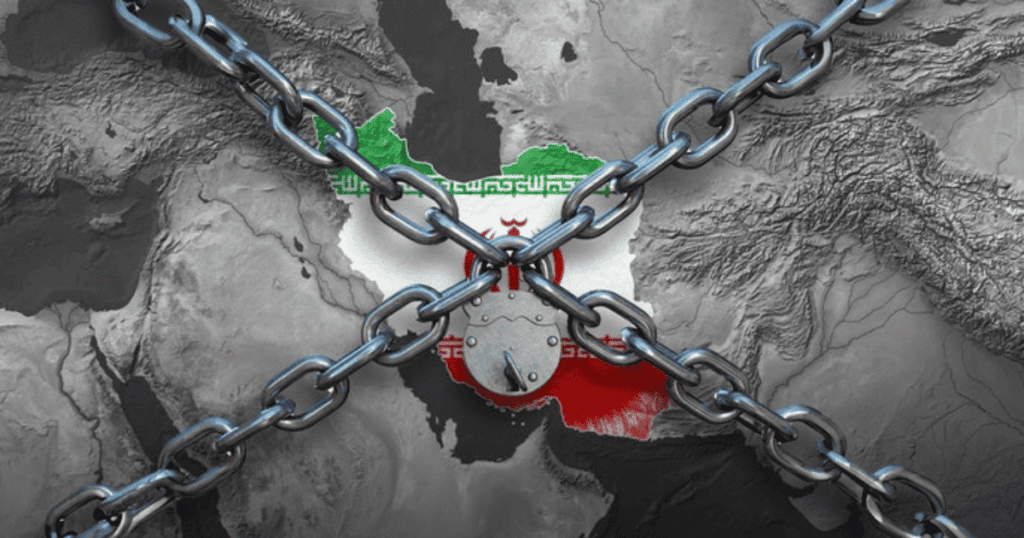
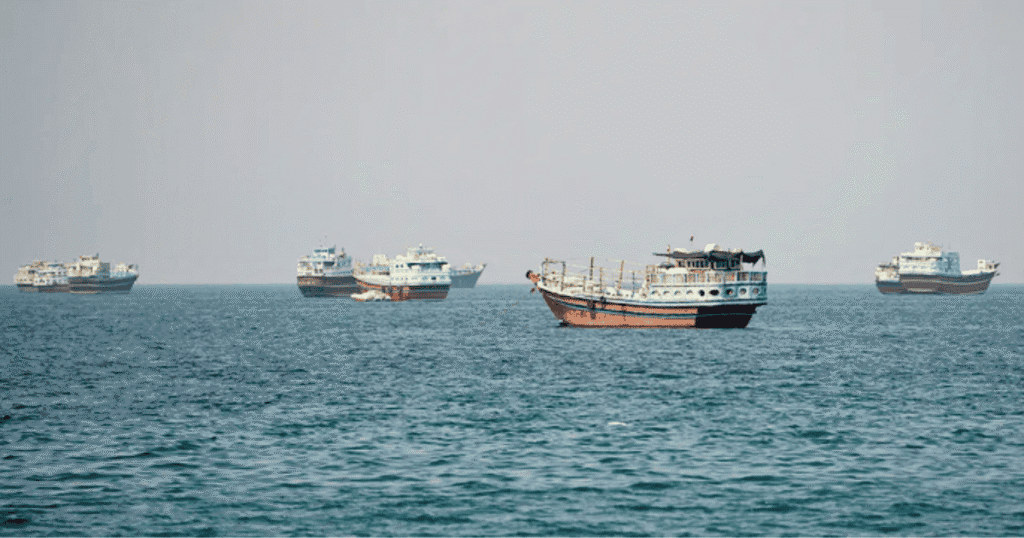
The Strait of Hormuz has become a major flashpoint in the conflict between Iran and the United States. The waterway is a key route for international oil and gas shipments, meaning prolonged disruption could have consequences well beyond the Middle East.
UAE demands consequences for threats to shipping
Gargash also warned that attacks or threats against commercial vessels cannot become an accepted tool of economic pressure.
He said freedom of navigation should not be treated as something that can be granted or withdrawn under pressure, while calling for credible international guarantees against further Iranian attacks on Gulf Arab states.
The UAE has faced Iranian missile and drone attacks during the conflict, while oil tankers have also come under attack in and around the Strait of Hormuz.
The Associated Press reported that Gargash said Iran should face consequences for threatening oil tankers and commercial vessels with mines, drones or missiles.
Oil prices climb as Hormuz tensions persist
The confrontation is already affecting global energy markets.
Brent crude prices moved toward $100 a barrel Monday as attacks and disruptions around the Strait of Hormuz reduced oil flows. Reuters reported Brent futures reaching about $97.93 a barrel during the session, the highest level since July 24.
U.S. West Texas Intermediate crude also remained near six-week highs.
A sustained disruption to the strait could increase pressure on fuel prices and inflation worldwide, particularly if traders begin pricing in a longer-term shortage of crude supplies.
Gulf states question reliance on US security
The UAE’s warning also reflects a broader debate among Gulf nations over regional security.
Qatar’s Foreign Ministry spokesperson Majed al-Ansari said Gulf countries should not depend solely on their strategic relationship with the United States for protection.
He argued that stronger national security capabilities are necessary because the ongoing conflict has exposed vulnerabilities across the region.
For the UAE, the immediate priority is keeping its energy exports and trade routes operating despite the conflict.
Gargash acknowledged that relations with Iran could eventually recover, but warned that rebuilding trust after the attacks could take decades.
With the Strait of Hormuz remaining central to negotiations between Washington and Tehran, the UAE’s message is increasingly direct: Gulf economies want secure access to international shipping routes and are unwilling to allow the strategic waterway to become a permanent instrument of coercion.
Also read: America’s Job Market Is Shifting Fast: 10 Careers Set to Surge
Satta Matka 16