
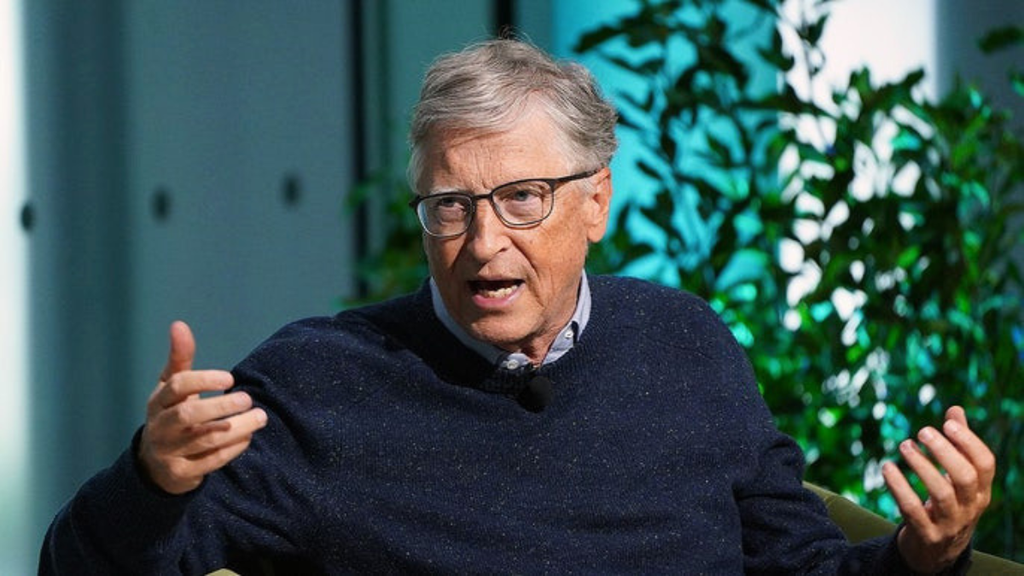
Bill Gates warns AI cyber-attacks may surge within a year as criminals exploit weak safeguards, putting businesses, banks and digital security at risk now.
Bill Gates Sounds Alarm on AI Cyberattack Chaos as the technology leader warns that criminals could unleash increasingly dangerous cyberattacks within the next year. He fears malicious users could exploit powerful artificial intelligence tools without adequate safeguards. Their actions could threaten businesses, financial institutions, and essential digital systems.
The Microsoft co-founder recently highlighted cybersecurity as one of the most immediate dangers associated with advanced AI. His warning underscores growing concerns about criminals using increasingly capable tools to launch sophisticated attacks.
Bill Gates Warns of a Dangerous AI Cyberattack Surge
Gates cautioned that malicious users could take advantage of advanced AI models to cause serious disruption. He identified cyberattacks as a particularly urgent concern over the coming year.
Criminals could use these tools to improve their attacks, target vulnerable systems, and demand money from victims. They might also disrupt financial markets or interfere with business operations.
The concern centers on how quickly AI capabilities are advancing. Without effective protections, attackers could gain powerful assistance without developing extensive technical expertise.
How Artificial Intelligence Could Empower Cybercriminals
AI can help users analyze information, generate code, and automate complex tasks. Those capabilities can support legitimate cybersecurity work, but criminals may also exploit them.
Financial Institutions Face Growing Risks
Banks and financial companies remain attractive targets because attacks can threaten money, sensitive data, and public confidence. AI-assisted techniques could help criminals identify weaknesses or create convincing messages designed to deceive employees.
A successful intrusion could expose customer information or interrupt essential services. Criminals might also use ransomware or extortion tactics to pressure organizations into paying.
Financial institutions must therefore strengthen their defenses as attackers adopt new technologies. Rapid detection and well-tested recovery plans can limit the damage from successful intrusions.
AI Could Make Attacks Faster and More Sophisticated
Cybercriminals traditionally need considerable skill to conduct complex operations. AI tools may lower that barrier by helping them automate certain tasks and refine their methods.
Attackers could use generated messages to make phishing attempts more convincing. They may also use AI to study targets, adapt malicious code, or speed up parts of an attack.
However, AI does not make every cyberattack successful. Strong security controls, careful employee training, and timely software updates can still prevent many threats.
Why AI Safeguards Matter More Than Ever
Gates focused particular attention on AI models that operate without adequate safety protections. He warned that malicious users could exploit systems when developers or operators remove important restrictions.
Safeguards can help prevent powerful tools from assisting dangerous activities. Yet their effectiveness depends on thoughtful design, consistent testing, and responsible deployment.
Technology companies face pressure to develop increasingly capable systems while reducing opportunities for abuse. Governments and security experts also face difficult questions about oversight and accountability.
Can Regulation Reduce the Threat?
Clear security standards could encourage developers to test AI systems before releasing them. Independent assessments may also reveal weaknesses that internal reviews overlook.
Regulation alone, however, cannot eliminate cybercrime. Organizations must maintain strong defenses, share threat intelligence, and respond quickly when vulnerabilities emerge.
International cooperation also matters because cybercriminals can target victims across borders. Coordinated responses may help investigators identify attacks and disrupt criminal networks.
Gates Separates Immediate Cyber Risks From Longer-Term AI Fears
Gates has also discussed broader concerns about advanced AI, including the possibility of systems becoming difficult to control. However, he described criminal misuse as a more immediate concern.
That distinction matters because current cybersecurity threats already affect organizations worldwide. AI may increase the speed, scale, or sophistication of some attacks before more distant risks materialize.
Concerns about biological threats have also featured in discussions about powerful AI systems. Gates has argued that society needs stronger safeguards to address dangerous applications.
These warnings highlight the need to consider both present-day misuse and longer-term challenges. Effective preparation requires practical security measures alongside careful development of emerging technologies.
What Businesses Should Do to Prepare
Organizations do not need to wait for a major incident before improving their defenses. Several practical steps can reduce exposure to AI-assisted attacks.
- Strengthen authentication: Require multifactor authentication for important accounts and administrative access.
- Update software: Apply security patches promptly and remove unsupported systems where possible.
- Train employees: Teach staff to recognize phishing attempts, suspicious requests, and unusual account activity.
- Monitor networks: Use reliable detection tools to identify potential intrusions quickly.
- Prepare recovery plans: Maintain secure backups and test incident-response procedures regularly.
- Review AI tools: Assess how employees use AI services and establish clear rules for sensitive information.
Businesses should also limit access to critical systems. Regular security assessments can reveal weaknesses before attackers exploit them.
The Road Ahead for AI and Cybersecurity
Gates’ warning places renewed attention on the relationship between AI innovation and digital security. More capable systems may offer major benefits, but criminals can also attempt to exploit their abilities.
The coming year could bring new challenges as attackers experiment with AI-assisted methods. The scale of any resulting damage will depend on criminal activity, system safeguards, and organizations’ preparedness.
Developers, governments, and businesses all have a role in reducing these risks. Stronger protections and faster responses could help prevent emerging threats from becoming costly disruptions.
For now, Gates’ central message is clear: society must take malicious uses of AI seriously. Cybersecurity defenses need to evolve alongside the technology, not after attackers gain the advantage.
Also read: Mamdani Faces Fierce Backlash Over Italian Heritage Post








