Trump and Marco Rubio reportedly weigh Kimberly Guilfoyle’s removal as ambassador to Greece amid donor payment allegations and growing scrutiny of her conduct.
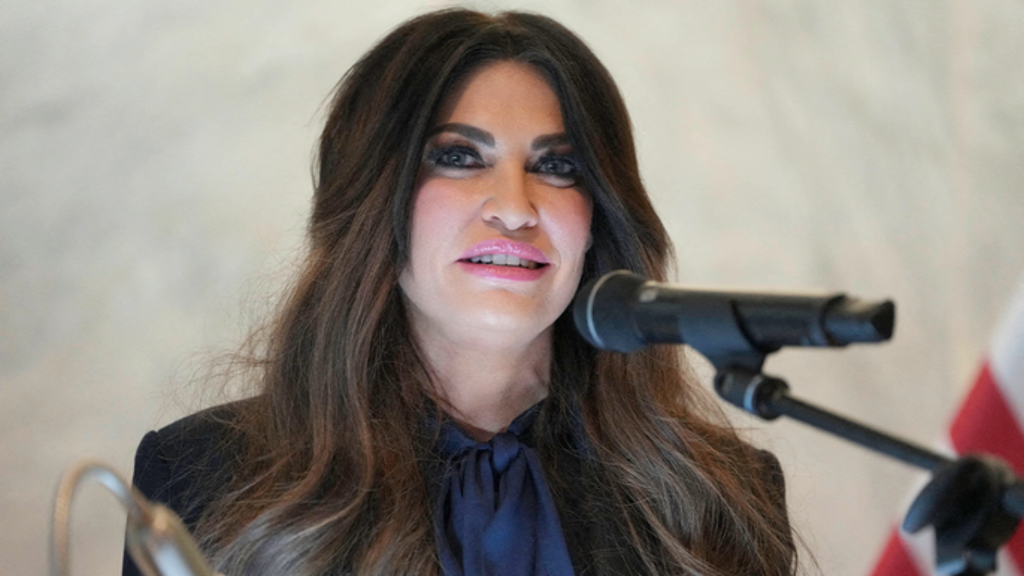
President Donald Trump and Secretary of State Marco Rubio are reportedly considering removing Kimberly Guilfoyle as U.S. ambassador to Greece. The decision follows mounting allegations involving a $100,000 donor payment request and questions about her diplomatic conduct.
The reported controversy has intensified scrutiny of Guilfoyle’s position within the administration. However, no official announcement has confirmed her removal, and the allegations remain disputed.
Trump and Rubio Face a Critical Decision on Guilfoyle
A senior U.S. official reportedly told the Associated Press that Trump and Rubio were deeply frustrated by the developing controversy. The official indicated that the administration could decide on Guilfoyle’s future after the Columbus Day holiday.
The allegations have placed fresh pressure on the administration to address concerns surrounding its diplomatic representation in Greece. Any decision could carry political and diplomatic implications, particularly as questions about accountability continue to grow.
Rubio previously praised Guilfoyle’s performance as ambassador. However, he later declined to confirm the allegations or discuss potential disciplinary action publicly.
$100,000 Donor Payment Allegation Sparks Controversy
The latest controversy centers on claims that Guilfoyle asked Trump supporter and donor Eric Deters to pay a $100,000 American Express bill. The reported request allegedly came shortly before her Senate confirmation hearing in July 2025.
According to published reports, messages between Guilfoyle and Deters suggested that she could help him gain access to senior administration officials. Deters reportedly said she offered that access in connection with the requested payment.
Deters stated that he never made the payment. Guilfoyle’s attorney, Jesse Binnall, disputed the authenticity of the messages and rejected allegations of wrongdoing.
The claims have raised questions about potential conflicts of interest and the appropriate boundaries between personal financial matters and public service. Nevertheless, the allegations do not establish that Guilfoyle committed a crime.
Additional Allegations Raise Questions About Her Conduct
The donor payment controversy follows earlier reports questioning Guilfoyle’s conduct during her tenure in Athens. Those reports raised concerns about her interactions with Greek officials, embassy employees and private business interests.
Questions About Greek Business Interests
Published accounts alleged that Guilfoyle promoted the interests of a Greek construction and energy company. They also raised questions about a lobbyist’s reported attendance at private diplomatic meetings.
Other allegations concerned remarks she reportedly made to Greek officials about the United States potentially undermining their government. Greek officials subsequently offered responses that complicated the claims surrounding the alleged exchange.
These reports have added another layer of scrutiny to Guilfoyle’s diplomatic role. However, the disputed accounts require careful examination before officials draw definitive conclusions.
Workplace Complaints and Possible Oversight
Separate reporting has described complaints about Guilfoyle’s treatment of embassy employees and her handling of security personnel. Other concerns reportedly involved private travel, gifts and relationships with business interests.
Reports have also indicated that the State Department’s inspector general was examining allegations involving Guilfoyle and the U.S. Embassy in Athens. The precise status and scope of any formal investigation remain important questions.
Guilfoyle’s attorney has maintained that accusations of misconduct lack adequate support. The administration has not publicly confirmed a final disciplinary decision.
Congressional Pressure Adds to the Diplomatic Challenge
Several Democratic lawmakers have called for greater scrutiny of Guilfoyle’s conduct. Their concerns have increased pressure on the State Department to establish whether the reported allegations warrant further action.
Lawmakers have emphasized the importance of examining the claims before deciding whether Guilfoyle should remain in her diplomatic position. Any substantiated findings could influence discussions about accountability and standards for U.S. representatives overseas.
Meanwhile, Rubio’s earlier defense of Guilfoyle contrasts with his subsequent reluctance to comment on the growing reports. That shift has drawn attention as the administration weighs its options.
What Happens Next for Kimberly Guilfoyle?
Guilfoyle’s immediate future depends on the administration’s response to the allegations and any relevant investigative findings. Officials have not announced a confirmed dismissal or provided a definitive timeline for a decision.
If the administration takes action, the circumstances and stated reasons will matter. A removal could reflect concerns about conduct, diplomatic effectiveness or the need to address questions raised by the reports.
For now, the allegations remain contested, and Guilfoyle’s lawyer continues to reject claims of wrongdoing. Further official statements and investigative developments should clarify whether the controversy will lead to a change in her position.
Also read: Schumer Faces Stunning Revolt as Democrats Demand Change