Trade Deficit Surges as $105.6B Gap Sparks Alarm as record imports overwhelm exports, reviving tariff doubts and raising new concerns over US growth and demand!
Trade Deficit Surges as $105.6B Gap Sparks Fresh Alarm as record imports overwhelm exports, exposing fresh pressure on America’s economy.
Imports drive the sudden deterioration
The August gap jumped 13.7% from July, reaching $105.6 billion and marking the widest shortfall since March 2025 in America.
Imports climbed 4.3% to a record $420.8 billion, while exports increased only 1.4% to $315.2 billion during August this month.
That imbalance shows buyers and companies continued purchasing foreign goods despite higher costs created by tariffs and shifting supply chains.
Goods imports increased 5.3% to $342.2 billion, creating most of the monthly deterioration as businesses replenished inventories and expanded investment.
Capital goods imports reached a record $146.4 billion, reflecting strong spending on semiconductors, computers, equipment, and artificial intelligence infrastructure today.
Industrial supplies also surged, with crude oil and nonmonetary gold contributing significantly to the broader increase in imported goods overall.
Businesses appear willing to absorb higher import costs because they expect continued demand for technology, infrastructure, and consumer products today.
Tariffs face a difficult test
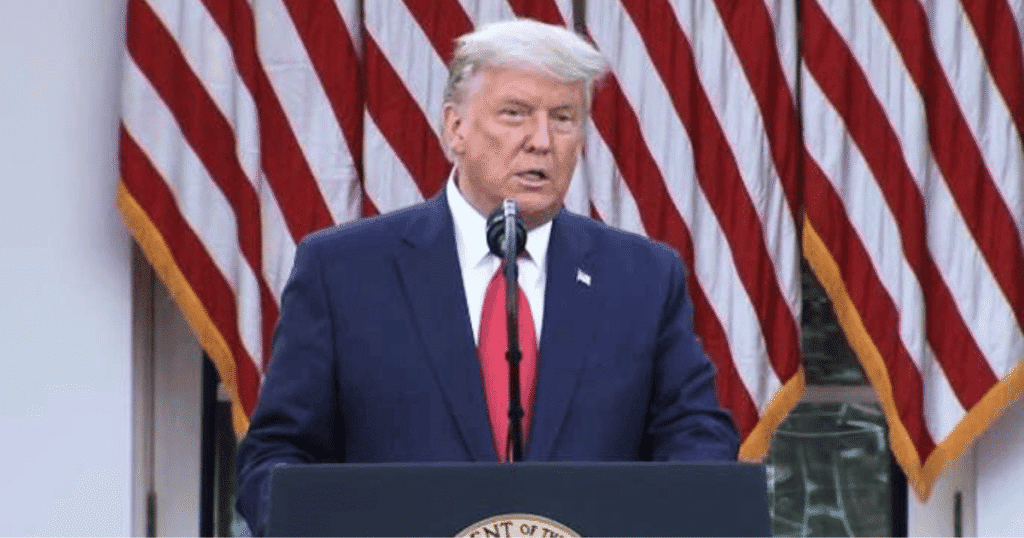
President Donald Trump imposed broad tariffs partly to reduce imports and narrow America’s persistent trade gap with major trading partners.
Yet the latest figures show imports reaching records, challenging the argument that tariffs alone can quickly reshape purchasing behavior effectively.
Companies can redirect supply chains, but major manufacturing changes require significant capital, reliable policy signals, and years of investment today.
That uncertainty may encourage businesses to continue importing essential products while they wait for clearer long-term trade policies globally.
The deficit remains historically important
August’s $105.6 billion gap stands far above July’s revised $92.8 billion figure, highlighting the speed of the monthly deterioration alone.
However, the first eight months tell a different story, with the overall deficit remaining about 20% below last year nationally.
That improvement means August represents a sharp setback rather than evidence that America’s entire annual trade position has deteriorated overall.
AI investment adds another twist
Artificial intelligence investment is driving enormous demand for imported servers, chips, networking equipment, and other advanced technology products worldwide today.
Those purchases can widen the trade deficit while simultaneously supporting productivity, construction, investment, and future economic growth inside America now.
Record capital goods imports therefore reveal both a trade weakness and strong business confidence surrounding America’s expanding artificial intelligence economy.
Economists estimate trade could subtract as much as 2.5 percentage points from third-quarter economic growth because imports surged this quarter.
Growth faces a complicated signal
Strong consumer and business spending can support economic expansion, but rising imports mechanically reduce domestic production within quarterly GDP calculations.
That creates a complicated picture where imports weaken headline growth while imported equipment may strengthen productivity and future capacity eventually.
Consumers remain important because sustained spending encourages businesses to purchase additional goods, including products that domestic manufacturers cannot supply abroad.
What happens next
The September trade report will reveal whether August represented a temporary import surge or the beginning of another sustained increase.
Future tariff changes could also influence sourcing decisions, especially if companies believe current policies will remain expensive or unpredictable today.
Markets will watch imports, exports, business investment, and consumer demand closely as policymakers assess the economy’s underlying momentum today.
For now, the $105.6 billion deficit delivers a striking reminder that tariffs have not eliminated America’s dependence on foreign goods.
Also read: Used Car Prices Slide as Fuel-Efficient Models Surge