Britain’s EV Gamble: Chinese Cars Force a Tough Choice as ministers weigh tariffs, EU pressure, consumer prices, jobs, and Britain’s future car industry. today
Britain’s EV Gamble: Chinese Cars Force a Tough Choice as Chinese carmakers rapidly gain ground across the British market.
For years, Britain welcomed cheaper Chinese vehicles while avoiding the extra tariffs imposed across much of Europe.
Now, that strategy faces a serious test as European pressure collides with strong British consumer demand.
Chinese Cars Are Winning British Buyers
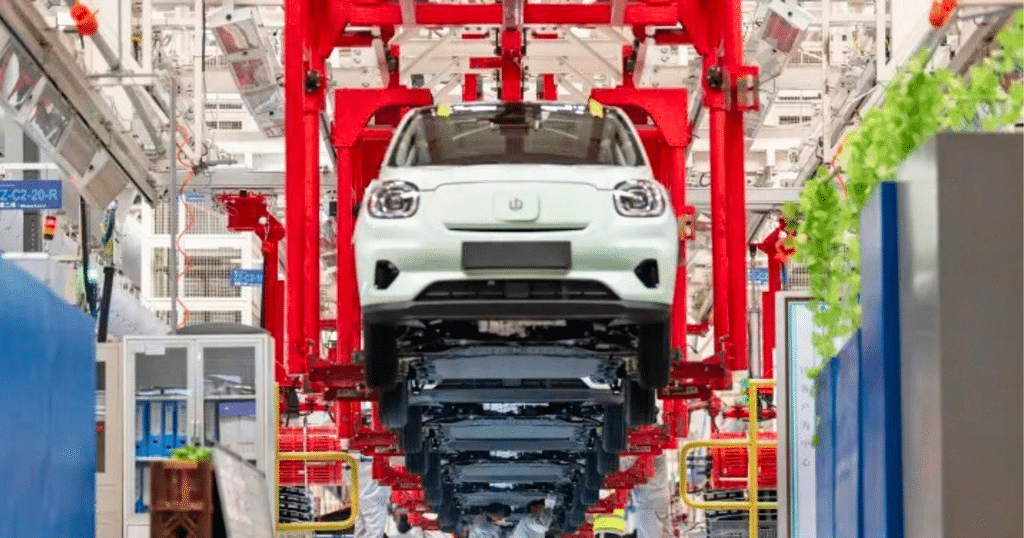
Chinese brands have expanded rapidly across Britain, attracting drivers with competitive prices and advanced technology.
Their growth has accelerated as buyers seek better value amid high financing costs and rising household expenses.
During September, the Jaecoo 7 reportedly became Britain’s best-selling new car, highlighting the scale of the shift.
Meanwhile, Chinese-branded vehicles now represent a significant share of British new-car registrations.
That momentum has transformed Chinese manufacturers from newcomers into major competitors within Britain’s automotive market.
Why British Drivers Like Chinese Models
Affordable pricing remains one of the biggest attractions for British motorists considering Chinese vehicles.
Many models also offer advanced screens, driver-assistance systems, stylish designs, and generous equipment packages.
Those features give Chinese brands a powerful advantage against established manufacturers facing higher production and financing costs.
Consequently, consumers could face fewer affordable choices if Britain introduces substantial tariffs on Chinese imports.
Britain Faces Growing Pressure From Europe
Brussels wants Britain to strengthen protections against heavily subsidised Chinese vehicle imports.
European officials have reportedly linked British tariff policy with access to proposed industrial support under new European manufacturing rules.
That demand creates a difficult calculation for British ministers seeking closer economic cooperation with European partners.
Britain’s automotive industry depends heavily on European supply chains, exports, investment, and cross-border manufacturing.
Losing favourable access to European industrial programmes could create serious costs for manufacturers operating inside Britain.
Tariffs Could Protect Industry
Additional duties could reduce the price advantage currently enjoyed by several Chinese manufacturers.
That protection might give British and European producers more time to strengthen their electric vehicle offerings.
However, tariffs could also raise showroom prices for consumers across Britain.
Higher prices could slow electric vehicle adoption just as the government pushes toward cleaner transport.
The government currently reviews its electric vehicle policies while trying to protect jobs and maintain consumer choice.
China Could Respond With Its Own Pressure
Beijing has already expressed serious concern about possible British tariffs on Chinese vehicles.
Chinese officials have warned that discriminatory trade measures could trigger an appropriate response.
That warning matters because Britain wants stronger commercial ties with China across several important industries.
British exporters could face consequences if Beijing responds through trade restrictions or other economic measures.
The automotive sector therefore sits inside a much wider diplomatic and economic relationship.
Britain Cannot Easily Choose Both Sides
Britain wants stronger European cooperation without damaging its valuable relationship with China.
At the same time, British consumers increasingly appreciate the lower prices and technology offered by Chinese vehicles.
That combination makes a straightforward tariff decision unusually difficult for policymakers.
A sharp tariff increase could protect local producers while weakening affordability for ordinary drivers.
Keeping tariffs unchanged could preserve consumer choice while increasing pressure on established British and European manufacturers.
The Hybrid Question Makes Everything Harder
Electric vehicles are not the only concern because Chinese manufacturers increasingly sell hybrid models across Britain.
Some popular Chinese vehicles combine petrol engines with electric technology, giving buyers another affordable alternative.
European tariffs on Chinese battery-electric vehicles do not automatically apply to every hybrid model.
That distinction could create another challenge for British policymakers seeking comprehensive protection for domestic manufacturers.
If Britain targets only electric vehicles, manufacturers could shift their strategy toward hybrids and other powertrains.
Such a move could weaken the effectiveness of narrowly designed trade measures.
Britain’s Car Market Faces a Turning Point
Britain now stands between consumer demand, industrial protection, European pressure, and Chinese retaliation.
The decision could shape vehicle prices, manufacturing investment, employment, and future electric vehicle adoption.
British ministers must therefore balance immediate consumer benefits against longer-term industrial and strategic interests.
Whatever choice emerges, the British car market will likely look different within the next few years.
Chinese manufacturers have already changed consumer expectations across Britain.
Now, policymakers must decide whether those changes represent healthy competition or a growing industrial threat.
For Britain, the tariff debate has become more than a dispute over cars.
It has become a defining test of the country’s post-Brexit trade strategy.
Also read: Ambani’s Bold Venezuela Oil Bet Shakes Energy Markets