A House GOP chairman points to China’s purchases of sanctioned crude as the key driver behind rising gas prices ahead of high-stakes diplomatic talks.
A prominent House Republican chairman has identified China as the “number one actor” fueling sustained pressure on global energy markets and driving up gas prices for American consumers. The assessment comes as lawmakers urge diplomatic leverage to curb Beijing’s ongoing purchases of illicitly traded crude, pointing to high-stakes leader-level talks as a pivotal opportunity to address domestic affordability concerns.
With domestic energy costs emerging as a central issue for voters, congressional leaders are pushing for targeted economic enforcement to stabilize global fuel supplies and bring relief to the pump.
The Role of Global Buyers in Energy Markets
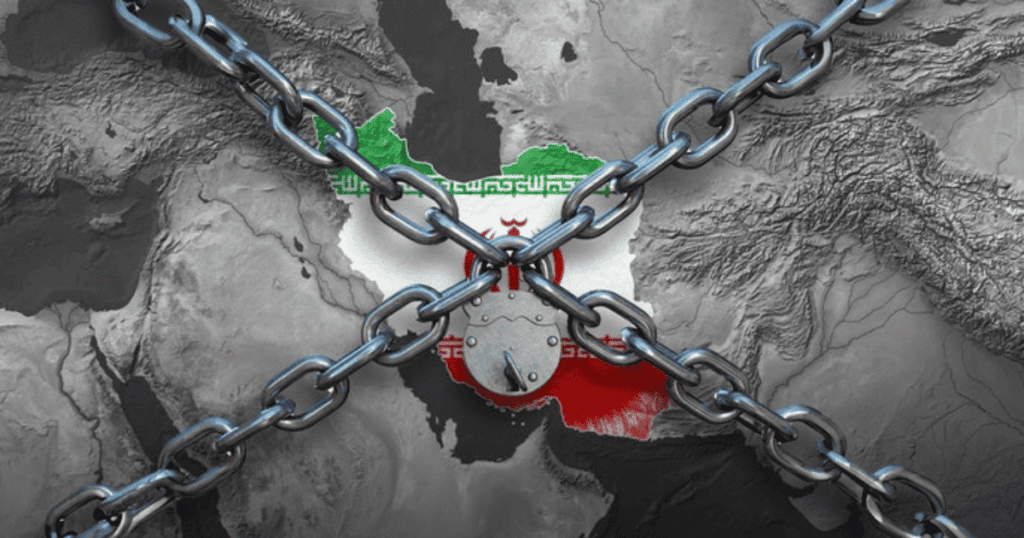
Congressional leaders evaluating energy trends argue that China’s continuous absorption of discounted crude oil from heavily sanctioned nations disrupts normal global supply dynamics. By providing a steady financial lifeline to targeted regimes, Beijing’s purchasing habits undermine international sanction regimes designed to choke off illicit revenues.
Key factors identified by economic analysts and lawmakers include:
- Sustained Purchasing Volumes: Large-scale imports of discounted crude that help fund overseas geopolitical conflicts.
- Circumvention of Sanction Limits: Utilizing shadowy maritime shipping fleets to transport energy outside standard regulatory frameworks.
- Global Price Distortions: Secondary impacts that restrict overall market transparency and elevate refined product costs for Western consumers.
Leveraging Sanctions Enforcement at the Summit
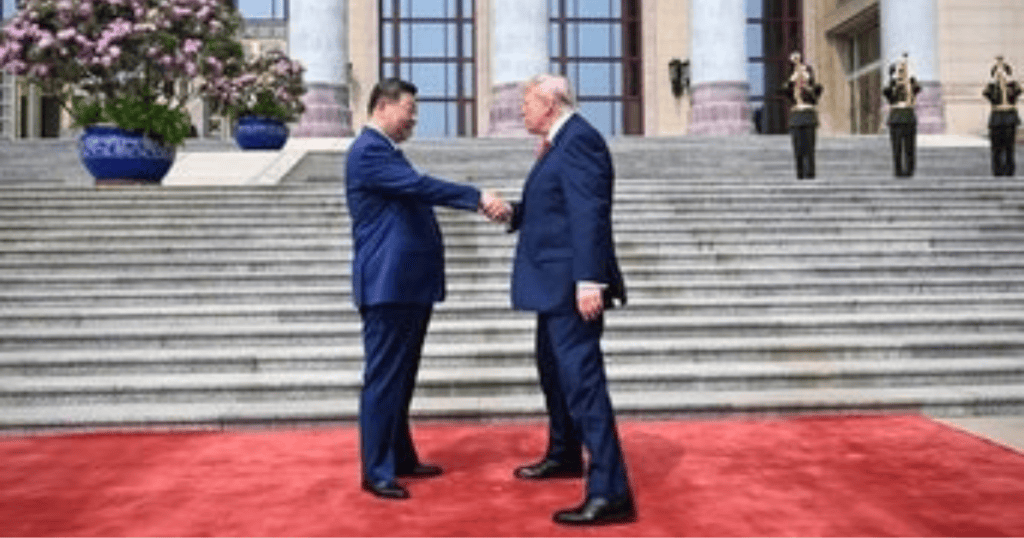
With bilateral diplomatic meetings scheduled between top executive leadership, lawmakers emphasize that domestic sanctions enforcement tools hold substantial leverage. Existing legislative frameworks empower federal authorities to target foreign financial institutions and shipping entities engaging with sanctioned energy exporters.
Congressional leaders note that enforcing or strictly leveraging these sanction waivers could alter Beijing’s trade calculations, potentially reducing financial flows to volatile regions and restoring greater predictability to global energy markets.
Balancing Domestic Prices and Strategic Policy
Rising fuel prices continue to create complex political and economic tradeoffs across the country. While foreign policy initiatives aim to counter global security threats, elected officials face growing pressure from constituents concerned about the rising cost of living, transportation, and daily goods.
Energy experts caution that while diplomatic negotiations and tougher sanctions enforcement can shift market expectations, broader factors—including global production limits, refinery capacity, and geopolitical stability—will remain critical in determining how quickly prices drop at the pump.
Also read: Judge Hands New York AG Setback in Legal Clash