
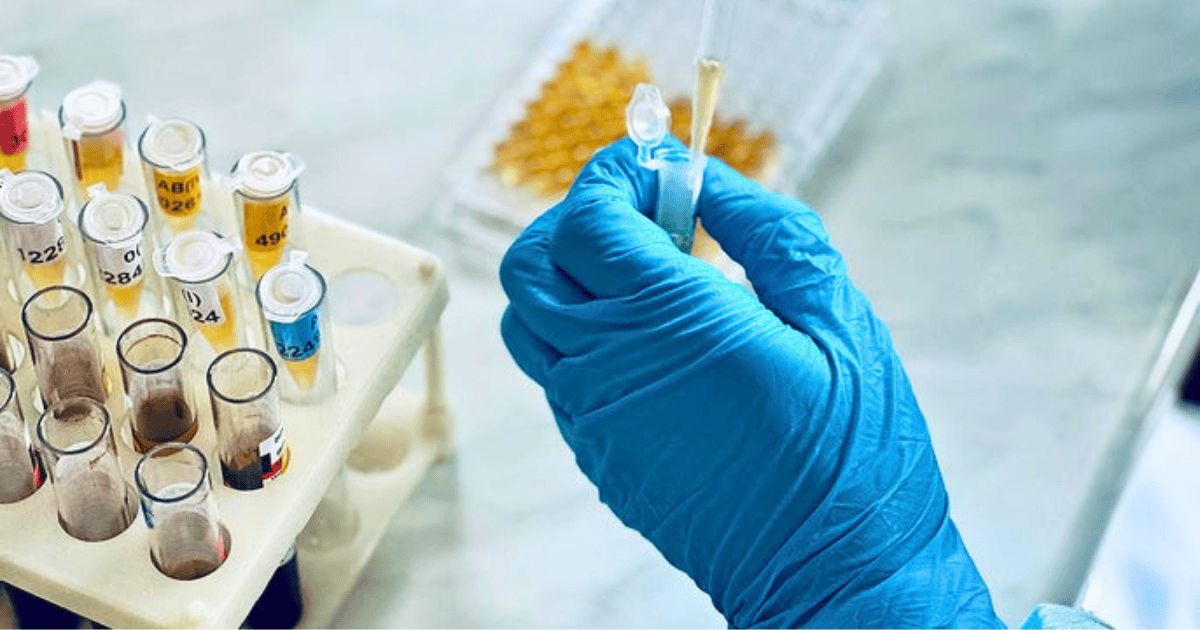
An artificial intelligence system has uncovered a hidden enzyme mechanism in viruses, opening doors to major scientific and medical breakthroughs.
A major artificial intelligence research laboratory has announced a breakthrough that could mark a turning point for modern molecular biology. By deploying advanced AI agents to analyze vast biological databases, researchers uncovered a previously unknown enzyme system hidden inside the DNA of viruses that infect bacteria.
Scientists suggest the novel discovery shares striking structural traits with existing programmable gene-editing systems, raising hopes that it could unlock powerful new capabilities in genetic engineering and therapeutic development.
Uncovering Hidden Machinery in Viral DNA
The breakthrough occurred after nearly 1,000 autonomous AI agents spent less than a day analyzing massive volumes of genomic sequences. While scanning the DNA of large bacteria-infecting viruses, an agent flagged an unusual pattern adjacent to a specific enzyme—a long array of evenly spaced, repeating genetic code.
The discovered system, dubbed “array-associated reverse transcriptase,” combines three key elements:
- An enzyme capable of converting genetic RNA back into DNA
- An adjacent partner gene with an unidentified function
- A long repeat array of short, distinct genetic sequences
This specific layout resembles natural defense systems like CRISPR, which rely on similar repeat sequences to target and edit genetic material. Although the newly identified mechanism had been sitting exposed in public genomic databases, standard human research pipelines had overlooked the pattern until now.
Accelerating Biological Research from Months to Hours
The speed of the discovery highlights a fundamental shift in how scientific research can be conducted. Tasks that typically require months of painstaking data analysis by human teams were processed and cataloged in under a day.
- Massive Data Screening: The AI evaluated over 200,000 targeted enzymes across public biological databases.
- Filtering Candidates: Automated analysis narrowed the pool down to 3,500 viable novel structures.
- Targeted Selection: The system generated detailed reports on 20 top candidates for human review, leading directly to the confirmation of the new array.
Accelerating Biological Research from Months to Hours
The speed of the discovery highlights a fundamental shift in how scientific research can be conducted. Tasks that typically require months of painstaking data analysis by human teams were processed and cataloged in under a day.
- Massive Data Screening: The AI evaluated over 200,000 targeted enzymes across public biological databases.
- Filtering Candidates: Automated analysis narrowed the pool down to 3,500 viable novel structures.
- Targeted Selection: The system generated detailed reports on 20 top candidates for human review, leading directly to the confirmation of the new array.
What This Breakthrough Means for the Future of Healthcare
While scientists are actively conducting wet-lab experiments to determine the exact functional role of the mechanism, the structural similarities to programmable systems have drawn considerable interest from leading genetic researchers.
The Path Toward Advanced Gene Therapy
If ongoing tests confirm that the new system can cut, copy, or edit genetic sequences in a controlled manner, it could expand the toolset available to biomedical researchers.
Potential long-term applications include:
- Targeted Gene Editing: Developing alternative precision tools to repair disease-causing genetic mutations.
- Rapid Drug Discovery: Accelerating the early discovery phase to feed higher-quality candidates into clinical pipelines.
- Expanded Biotechnology Applications: Utilizing viral mechanisms to engineer novel cellular therapies or combat drug-resistant bacterial strains.
While researchers emphasize that new discoveries still require years of rigorous laboratory testing and human clinical trials, the ability of artificial intelligence to independently surface hidden biological mechanisms marks an important leap forward for life sciences.
Also read: DNA From Thomas Jefferson’s Hair Settles Historic Debate