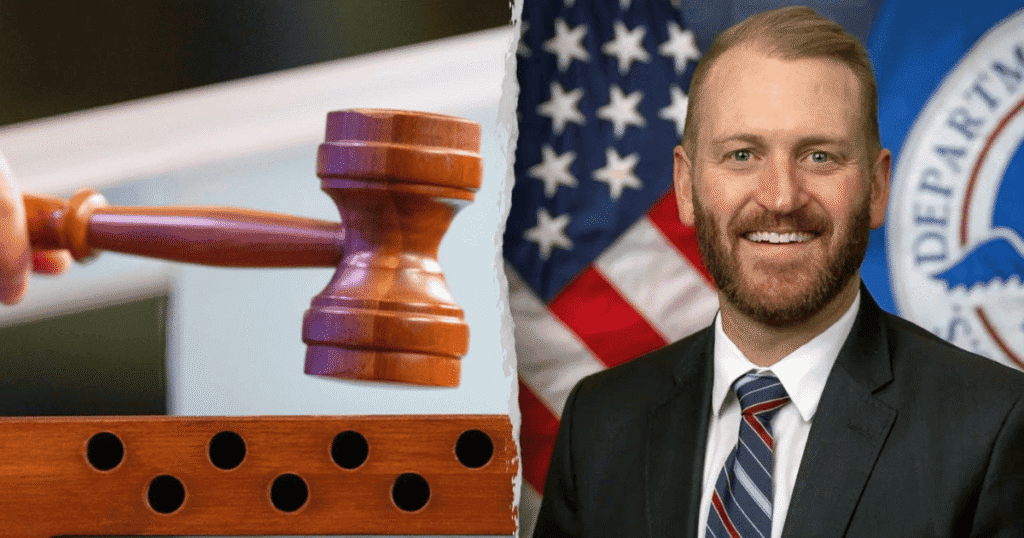

A welder-turned-congressman warns artificial intelligence could act like a nuclear bomb for working-class jobs without proper protections.
A Working-Class Lawmaker’s Warning on AI
A former welder turned federal lawmaker is raising alarms about the rapid integration of artificial intelligence in industrial workplaces, describing the technology as a potential “nuclear bomb” for working-class Americans if left unchecked. Drawing from years spent on Appalachian job sites, the representative argues that Washington must act to protect the dignity and security of physical labor as automation expands into manufacturing and freight.
While much of the debate around artificial intelligence has focused on white-collar tasks, coding, and administrative roles, the rapid advancement of robotics and automated systems is fast approaching trades traditionally thought to be immune to technology replacement.
The Dual Nature of Workplace Technology
The lawmaker emphasizes that technology itself isn’t inherently the enemy, but rather how companies choose to deploy it. In heavy industries, smart machinery can either serve as an essential assistant or a complete replacement for human labor.
Acting as a Force-Multiplier for Workers
When implemented responsibly, advanced tools can take on high-risk tasks that lead to chronic injury or fatigue. The goal, according to trade advocates, should be using automation to extend a worker’s career and improve safety rather than eliminating the position entirely.
- Enhanced Job Safety: Utilizing smart sensors and assistive tech to handle hazardous environments, heavy lifting, or high-temperature conditions.
- Co-Pilot Assistance: Integrating automated safety features into commercial freight trucking to prevent accidents caused by fatigue, while keeping human drivers in the cab.
- Career Longevity: Reducing physical wear and tear on tradespeople, allowing experienced skilled laborers to remain in the workforce longer without suffering debilitating injuries.
The Threat to Human Dignity and Purpose
On the other hand, aggressive rollout of fully autonomous systems—such as driverless long-haul trucks or fully automated assembly lines—could strip millions of families of their livelihood. Beyond the immediate financial impact, lawmakers warn that eliminating traditional trades threatens something deeper: the sense of purpose, community pride, and dignity tied to honest physical labor.
Bridging the Gap Between Washington and Organized Labor
To address these growing concerns, conversations are ramping up between federal representatives and major labor organizations like the Teamsters. The central push focuses on ensuring that future legislation accounts for blue-collar interests, preventing rapid technological displacement while leveraging new tools to build safer, higher-paying manufacturing roles within the country.
Also read: Macron’s UN Remarks Spark Uproar Over West Bank