
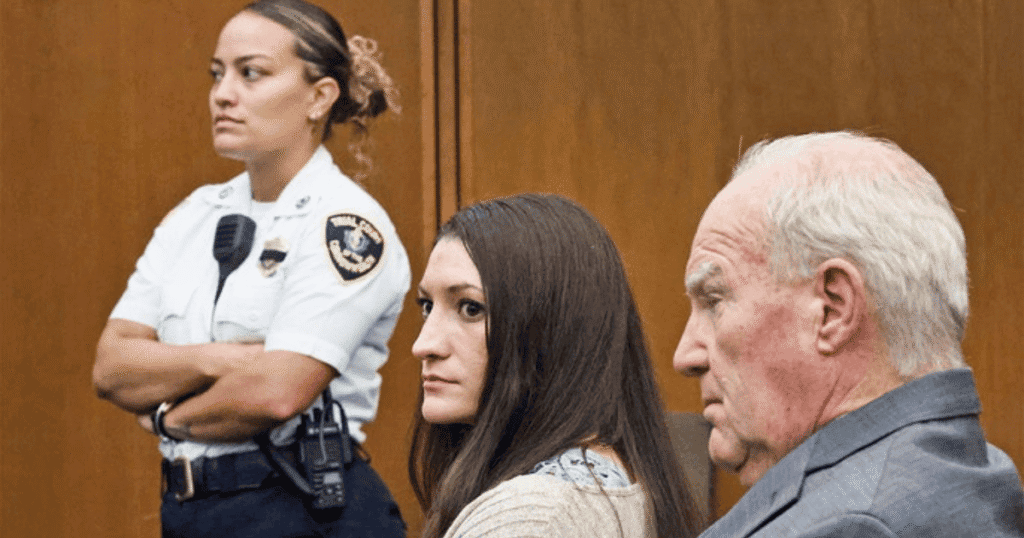
Lindsay Clancy’s attorney asks Trump to consider a pardon after her murder trial ended in a mistrial as jurors reveal divisions inside the deliberation room.
Lindsay Clancy’s defense attorney has made a major public appeal to President Donald Trump following the mistrial in the Massachusetts mother’s high-profile murder case, while jurors continue to reveal details about the dramatic deliberations that ended without a verdict.
Attorney Kevin Reddington asked Trump to consider pardoning Clancy, despite the case being prosecuted under Massachusetts state law. At the same time, jurors have offered conflicting accounts of what happened behind closed doors as they struggled to reach a unanimous decision.
Clancy Attorney Makes Public Plea to Trump
Reddington made the unusual request during an appearance on ABC’s “Good Morning America.”
The defense attorney appealed directly to Trump, asking him to consider Clancy’s circumstances and what she had experienced before the January 2023 killings.
Reddington has consistently argued that Clancy was suffering from severe postpartum psychosis and was affected by psychiatric medications when she killed her three children.
He also said he remains hopeful that the defense and Plymouth County District Attorney Timothy Cruz can reach an agreement following the mistrial.
Presidential Pardon Raises Legal Questions
Trump, however, does not generally have the constitutional authority to pardon someone for a state crime.
Clancy’s case was brought under Massachusetts law, meaning any clemency decision would ordinarily fall within the state system rather than the president’s federal pardon power.
Reddington has nevertheless argued that Trump could play a role because of the president’s public interest in the case and his influence with political figures.
Trump previously commented on Clancy’s case, calling the killings a horrific act and saying there would likely be consequences, including the possibility of imprisonment or institutionalization.
Jury Deadlock Ends Trial Without Verdict
Clancy’s five-week murder trial ended in a mistrial on Sept. 4 after jurors failed to reach a unanimous verdict.
The jury had spent more than a week deliberating over whether Clancy was criminally responsible for the deaths of her three children: 5-year-old Cora, 3-year-old Dawson and 8-month-old Callan.
Clancy has admitted to killing the children but pleaded not guilty by reason of a lack of criminal responsibility. Her defense maintained that she was experiencing a severe psychotic episode.
Prosecutors argued that Clancy understood her actions and deliberately killed the children.
Juror Reveals She Initially Believed Clancy Was Guilty
The jury’s internal divisions have continued to emerge publicly since the mistrial.
One juror, speaking anonymously, said she initially leaned toward finding Clancy guilty before changing her position during deliberations.
The juror said she ultimately became persuaded by the defense’s argument that Clancy was suffering from postpartum psychosis and should not be held criminally responsible.
She also described strong personalities and entrenched opinions inside the deliberation room, suggesting that the deadlock was more complicated than a simple disagreement between one holdout and the rest of the panel.
Jurors Describe Tensions in Deliberation Room
Other jurors have been more critical of the lone male holdout.
Three jurors, including the foreperson, publicly blamed the unidentified juror for preventing the panel from reaching an insanity verdict. They said he acknowledged having reasonable doubt but still refused to vote for acquittal on the grounds of lack of criminal responsibility.
The disagreement ultimately left the jury unable to reach the unanimous verdict required to resolve the case.
The differing accounts have provided a rare glimpse into the intense deliberations and competing interpretations of the evidence.
Defense Continues to Push Mental Health Argument
Reddington has maintained throughout the case that Clancy was experiencing a profound psychiatric crisis when she killed her children.
The defense presented testimony from mental health experts who said she was suffering from psychosis, while prosecutors presented experts who disputed that conclusion.
The competing medical testimony became one of the central issues of the trial, with jurors forced to determine whether Clancy could understand and control her actions at the time of the killings.
Prosecutors Face Decision on Potential Retrial
The mistrial does not resolve the criminal case.
Prosecutors must now determine whether to pursue another trial, negotiate a possible resolution or take another course.
Reddington said he hopes to work out an agreement with the district attorney that would be acceptable to both sides. The defense has also indicated that it is exploring other legal options following the mistrial.
Clancy remains in psychiatric custody as the legal process continues.
September Hearing Could Bring Next Steps
A hearing scheduled for Sept. 29 is expected to provide more clarity about the future of the case.
For now, the mistrial has left prosecutors without a verdict, the defense pushing for an alternative resolution and jurors publicly debating what went wrong inside the deliberation room.
Reddington’s extraordinary appeal to Trump has added another layer to an already closely watched case, while the jurors’ revelations continue to fuel questions about how the trial ultimately unraveled.
The next major question is whether Clancy will face a second trial or whether prosecutors and her defense team can reach an agreement before the case returns to a jury.
Also read: Netflix Drops Chilling Trailer for WWII Football Film