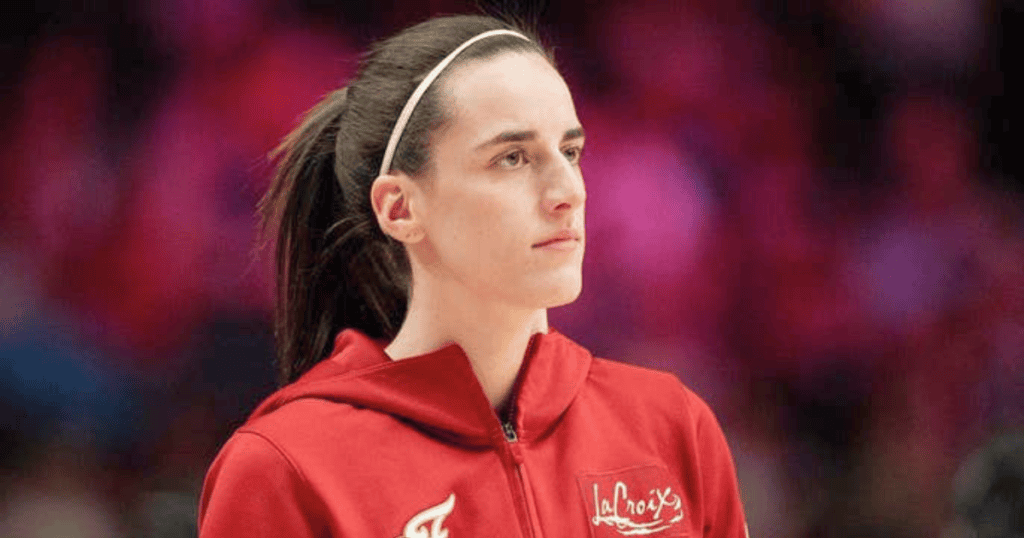
A former ESPN anchor faces backlash over racism accusations involving Caitlin Clark fans, sparking debate over media coverage and WNBA fandom.
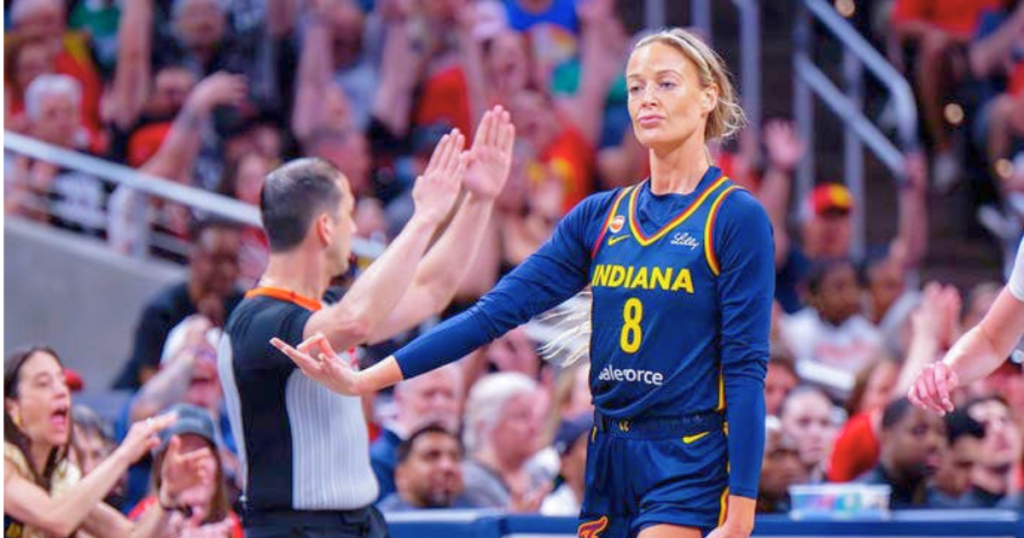
Former ESPN anchor Cari Champion is facing criticism over her comments about Indiana Fever star Caitlin Clark and the racial dynamics surrounding the WNBA, reigniting debate over sports media, fan culture and the league’s growing popularity.
Champion’s remarks, discussed in conversations with Jemele Hill and Bakari Sellers, have drawn attention for their characterization of Clark’s fan base and the role race plays in the basketball star’s popularity.
Cari Champion’s Comments Spark Debate
Champion has questioned the motivations of some Caitlin Clark supporters, suggesting that her popularity is tied, in part, to racial identity and the appeal of a white star in a predominantly Black sport.
The comments have fueled a broader discussion about whether Clark’s growing fan base is being fairly represented in sports media and how racial tensions are shaping coverage of the WNBA.
Critics argue that broad characterizations of Clark’s supporters risk treating a diverse fan base as a single group with shared motives. Others maintain that conversations about race, online harassment and the treatment of Black athletes remain relevant to understanding the league’s changing audience.
Caitlin Clark’s Popularity Remains at the Center of WNBA Debate
Clark’s rise has brought unprecedented attention to women’s basketball, while also placing her at the center of intense public discussion.
Her popularity has prompted questions about media coverage, marketing, race and the visibility of other WNBA stars. The debate has also highlighted the difficulty of distinguishing legitimate concerns about racist abuse from sweeping claims about an entire fan base.
Clark has previously addressed the issue of people using her name to advance racial agendas, saying such behavior is unacceptable and calling for respect toward every player in the league.
A Wider Conversation About Race and Sports Media
The controversy underscores the increasingly prominent role of sports commentators and podcast discussions in shaping public perceptions of athletes and their supporters.
While racism and online abuse are serious issues in professional sports, claims about the prevalence or motivations of particular groups of fans require evidence and careful context.
As debate surrounding Clark continues, the discussion raises questions about how sports media can address racial issues without reducing athletes or their supporters to assumptions based on identity.
The dispute also reflects the WNBA’s broader challenge of navigating a rapidly expanding audience while maintaining attention on the game and the accomplishments of its players.
Also read: Bills Fans Stunned by Stadium Beer and Food Prices