
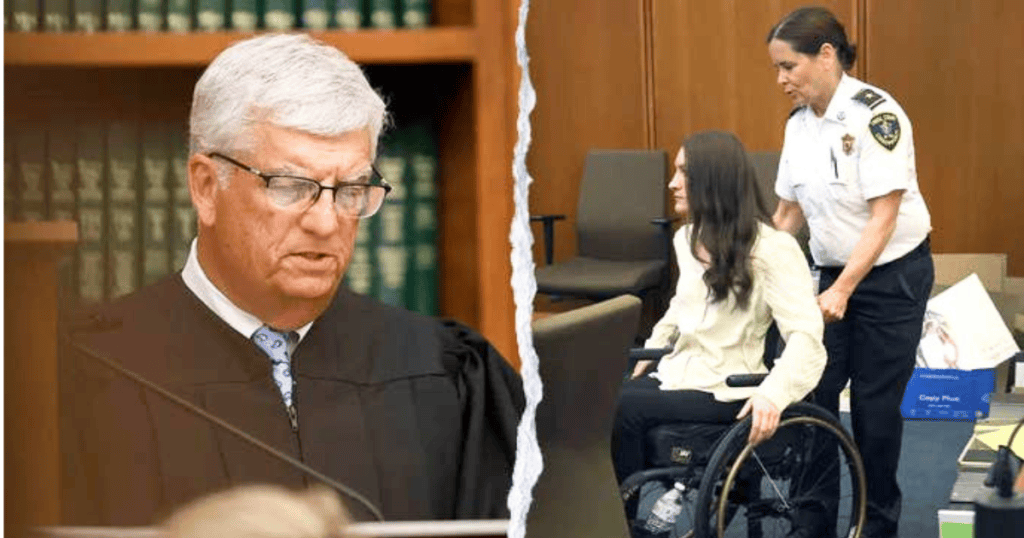
A Lindsay Clancy judge has indefinitely sealed juror names after a mistrial, citing safety concerns, intense scrutiny and fears of public doxxing.
A Massachusetts judge has indefinitely sealed the identities of jurors who served in the Lindsay Clancy murder trial, citing concerns about their safety and the intense public attention surrounding the case.
Judge William Sullivan ordered the names of all 18 jurors — including 12 deliberating jurors and six alternates — to remain impounded until further court order. The decision comes after the high-profile trial ended in a mistrial and jurors faced intense scrutiny online.
The move reflects growing concerns about the consequences jurors can face after high-profile trials, particularly when disagreements inside the jury room become the focus of public debate.
Judge cites juror safety concerns
Sullivan initially ordered the jurors’ identities sealed for a limited period following the mistrial.
The judge has now extended that protection indefinitely, pointing to continued national interest in the case and increasingly divisive reactions surrounding the jury’s deliberations.
Court officials were particularly concerned about the possibility that jurors could be identified, harassed or otherwise targeted after their participation in the trial.
At least one juror reportedly asked that the identities remain protected because of concerns about privacy and personal safety.
Lindsay Clancy trial ended in mistrial
Clancy’s six-week murder trial ended without a verdict after the 12-member jury could not reach unanimous agreement.
Clancy was accused of killing her three young children — Cora, 5, Dawson, 3, and Callan, 8 months — at the family’s Duxbury, Massachusetts, home in January 2023.
Her defense argued that she was suffering from postpartum psychosis and should be found not guilty by reason of insanity. Prosecutors disputed that argument and maintained that Clancy was criminally responsible for the killings.
After more than a week of deliberations, the jury remained deadlocked, prompting Sullivan to declare a mistrial on Sept. 4.
Juror disagreement sparks online scrutiny
The jury’s split quickly became a major focus of public attention.
Several jurors spoke publicly after the mistrial and criticized an unnamed male juror who they said prevented the panel from reaching a unanimous insanity verdict.
According to reporting, 11 jurors favored finding Clancy not guilty by reason of insanity, while one juror disagreed. The holdout’s identity has not been publicly disclosed.
The public discussion surrounding the deliberations has fueled efforts by some people online to identify the juror.
That attention appears to have contributed to the court’s decision to maintain the confidentiality of the entire jury.
Concerns grow over juror doxxing
The controversy highlights the risks of juror doxxing, in which personal information about jurors is sought or published online following a controversial verdict or mistrial.
In the Clancy case, the intense debate over the lone holdout has generated significant interest in identifying the person.
Reports have also described incidents involving jurors leaving the courthouse, including an unauthorized recording that heightened concerns about their privacy and security.
By keeping the names sealed, the court is attempting to prevent the dispute over the verdict from turning into a campaign of harassment against individual jurors.
Judge takes unusual step after high-profile trial
Protecting juror identities is especially significant in a case that has attracted national attention and generated sharply divided reactions.
The Clancy proceedings involved emotionally charged testimony about mental illness, motherhood and the deaths of three children. Those issues generated substantial discussion outside the courtroom as well as intense disagreement over the evidence presented at trial.
The judge’s decision allows jurors to remain shielded while prosecutors and defense attorneys determine what comes next.
Clancy’s future remains uncertain
The mistrial does not automatically end the criminal case.
Prosecutors have yet to announce whether they will seek a new trial. Clancy’s attorney has separately asked the court to acquit her, arguing that the evidence does not establish criminal responsibility and that she should not face another trial. A hearing is scheduled for Sept. 29.
Clancy remains in psychiatric custody as the legal proceedings continue.
Juror identities remain protected
For now, Judge Sullivan’s order means the identities of all 18 jurors remain confidential.
The decision underscores the unusual pressures created when a jury’s deliberations become a national story — particularly when one juror is blamed publicly for preventing a verdict.
As the court considers the next stage of the Lindsay Clancy case, the judge’s indefinite blackout of juror names signals that protecting the panel from harassment and potential harm has become a priority alongside resolving the case itself.


