
Massachusetts’ highest court publicly reprimands Judge Shelley Joseph over a 2018 case involving an immigrant who escaped ICE custody through a courthouse exit.
Massachusetts’ highest court has publicly reprimanded a district court judge over her actions in a 2018 case involving an immigrant who slipped out of a courthouse while an Immigration and Customs Enforcement officer waited to take him into custody.
The Supreme Judicial Court’s decision centers on Judge Shelley Joseph’s conduct during the hearing, including her instruction to a clerk to shut off the courtroom’s audio recording before the defendant left through a rear exit.
Judge Shelley Joseph Faces Public Reprimand
The Massachusetts Supreme Judicial Court issued the rare public reprimand Thursday, concluding that Joseph’s conduct created an appearance of impropriety and violated her judicial duties.
The case dates to April 2, 2018, when Jose Medina-Perez appeared at Newton District Court on drug-related charges. An ICE officer was reportedly waiting in the courthouse lobby to take him into custody.
After the hearing, Medina-Perez left through a rear courthouse exit rather than being taken into ICE custody.
Court Recording Was Turned Off
A central issue in the case was a private sidebar discussion involving Joseph, the defendant’s attorney and the prosecutor.
According to the Supreme Judicial Court, Joseph instructed the court clerk to turn off the courtroom audio recording system during that conversation.
The court said Joseph’s statements and her conduct in directing the recording to be shut off contributed to an appearance of impropriety.
Joseph subsequently released Medina-Perez on his own personal recognizance and scheduled a pretrial conference in the drug case.
Immigrant Left Through Courthouse Back Door
Medina-Perez then exited the courthouse through a rear door while the ICE officer remained in the building.
The episode eventually became a major controversy over the interaction between state courts and federal immigration enforcement.
The case also drew national attention because it raised questions about whether local judges could take steps that effectively prevent federal immigration authorities from taking custody of defendants sought for immigration violations.
Judge Was Previously Indicted
The controversy did not end with the courthouse incident.
In April 2019, Joseph and a court officer who helped allow Medina-Perez to leave through the back door were indicted on obstruction-of-justice charges, according to reporting on the case.
Joseph’s legal case later took a different course, but the judicial-conduct proceedings continued.
The latest Massachusetts Supreme Judicial Court ruling now formally rebukes her conduct even though the broader circumstances have been disputed.
Joseph’s Attorney Pushes Back
Joseph’s attorney, Elizabeth Mulvey, argued that the events had been distorted over time.
During a prior hearing, Mulvey said the public had come to believe Joseph simply “let an illegal immigrant out of the door,” while others had portrayed the judge as a hero for resisting federal immigration enforcement.
Mulvey also argued that media coverage had created an exaggerated impression of what happened inside the courtroom.
The defense maintained that the public narrative did not accurately reflect the events or Joseph’s intentions.
Immigration Enforcement and Courts Collide
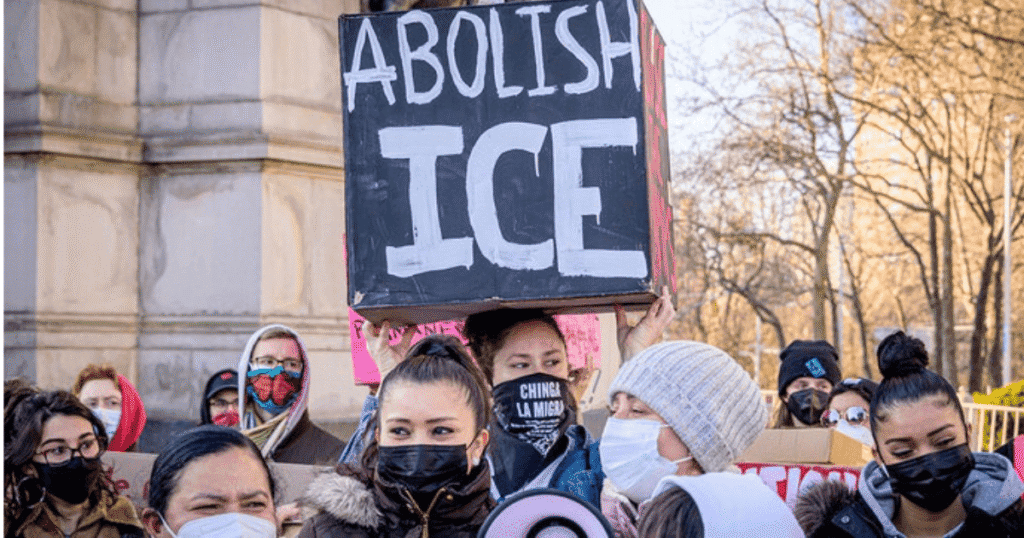
The Massachusetts case highlights a broader conflict that has emerged in courthouses across the country.
Federal immigration authorities have increasingly sought to arrest immigrants at or near state and local courthouses, while judges and court officials have faced questions about how those enforcement efforts should interact with judicial proceedings.
The issue has become especially contentious as the federal government has intensified immigration enforcement.
Similar Courtroom Immigration Disputes
The Massachusetts case is not isolated.
The AP noted that in another high-profile case last year, former Wisconsin judge Hannah Dugan was accused of escorting a man and his attorney out of her courtroom through a jury door after learning that immigration authorities were seeking his arrest. The man was later taken into custody outside the courthouse.
Those cases have fueled a national debate over judicial independence, federal immigration authority and the role of local courts.
Supreme Court’s Reprimand Closes Chapter
The public reprimand against Joseph marks the latest development in a legal saga that began more than eight years ago.
The Massachusetts Supreme Judicial Court did not simply focus on the immigrant’s departure. Its decision emphasized Joseph’s own conduct, particularly her statements and her instruction to stop the courtroom recording.
For critics, the ruling underscores the importance of transparency when judges handle cases involving competing state and federal interests.
For Joseph’s supporters, the case remains an example of how a controversial courtroom decision can become politically charged amid the nation’s broader immigration debate.
The Supreme Judicial Court’s action ensures the 2018 incident will remain part of Joseph’s judicial record while renewing scrutiny of how courts handle defendants sought by federal immigration authorities.
Also read: 9/11 Daughter Turns Father’s Final Words Into Hope
Satta Matka 16