
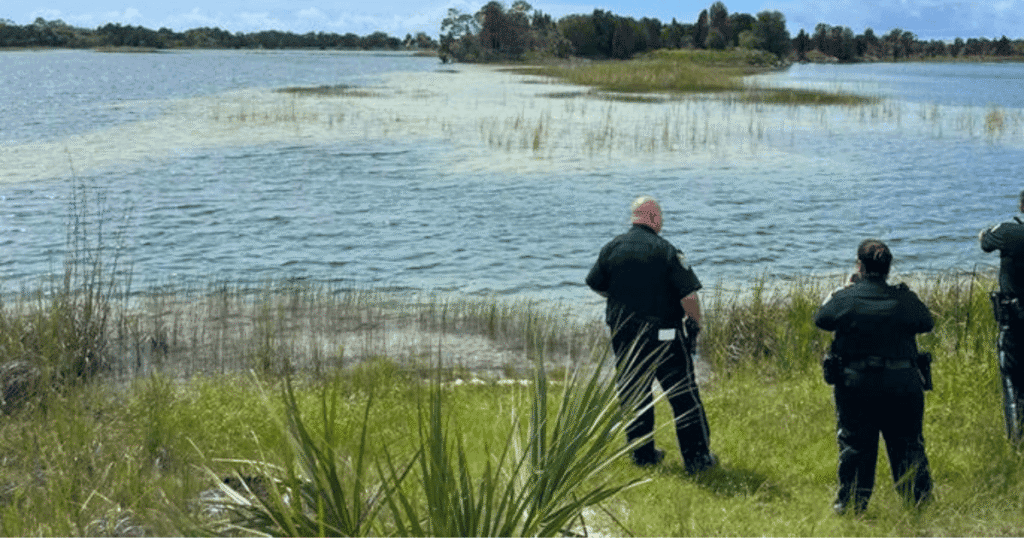
A child was attacked by a 9-to-12-foot alligator while swimming in Florida’s Weeki Wachee Preserve, despite posted no-swimming warnings.
FLORIDA — A child was rushed to a Florida hospital after being attacked by a massive alligator while swimming in an area where swimming is prohibited.
The incident happened Monday afternoon at the Weeki Wachee Preserve in Hernando County, according to the Hernando County Sheriff’s Office. Officials said the alligator was estimated to be between 9 and 12 feet long.
The young victim suffered puncture wounds to the arm and leg but was not considered to have life-threatening injuries.
Child rescued from sandbar after attack
Following the attack, the injured child and several other young people became stranded on a sandbar and could not safely return to the mainland.
Hernando County Fire Rescue’s Special Operations Marine Unit responded with an airboat at approximately 2:30 p.m. The rescue team brought the group back to safety while providing medical assistance to the injured child.
The victim was later transported to Bayonet Point Hospital for additional treatment.
Authorities have not released the child’s age or identity.
Swimming was prohibited in the area
Officials emphasized that the attack happened in an off-limits swimming area.
The Weeki Wachee Preserve prohibits swimming in its lakes, and authorities urged visitors to follow posted restrictions around waterways. The Florida Fish and Wildlife Conservation Commission is investigating the incident in connection with the reported swimming violation.
A licensed wildlife trapper was also called to the preserve and placed traps in an effort to capture the alligator involved in the attack.
The sheriff’s office reminded visitors to use extreme caution around waterways and to obey posted rules.
Expert warns swimmers about alligator habitats
Christopher Gillette, an alligator expert and owner of Bellowing Acres Animal Sanctuary in Florida, told Fox News Digital that swimming in areas inhabited by alligators can create a dangerous situation.
He emphasized that people should use designated swimming areas rather than entering waterways where swimming is prohibited.
Gillette explained that an alligator’s eyes sit close to the surface when it is in the water, meaning the animal may primarily see a swimmer’s head and moving arms.
That can make a person appear like potential prey to an alligator, particularly in an area where the animals naturally live.
Authorities continue investigating
The Florida Fish and Wildlife Conservation Commission is handling the investigation related to the swimming violation, while officials have not indicated whether the alligator responsible for the attack has been captured.
The incident serves as another warning about the risks of entering restricted waterways in Florida, where alligators are common.
Authorities continue to urge visitors to stay out of prohibited swimming areas and follow warning signs designed to prevent potentially dangerous encounters with wildlife.
The child survived the attack with injuries that were not considered life-threatening, but officials say the incident could have had a far more serious outcome.
For visitors to Florida’s natural areas, authorities’ message remains straightforward: follow posted warnings and never swim where swimming is prohibited.
Also read: Ben Shelton Stuns Carlos Alcaraz at US Open
Satta Matka 16